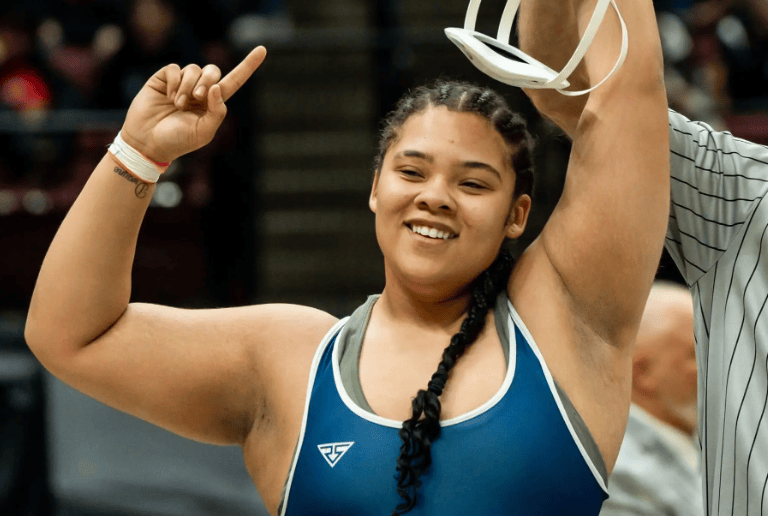
Joining Borders will be NHSCA 165-lb. national champion Chloe Williams, former NJCAA 110-pound champion Ariah Mervilus and Beast of the East champion Willow White.
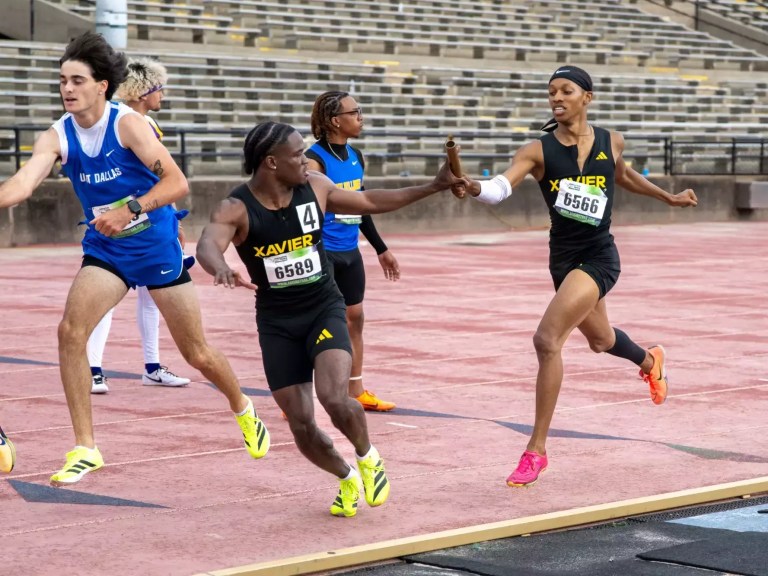
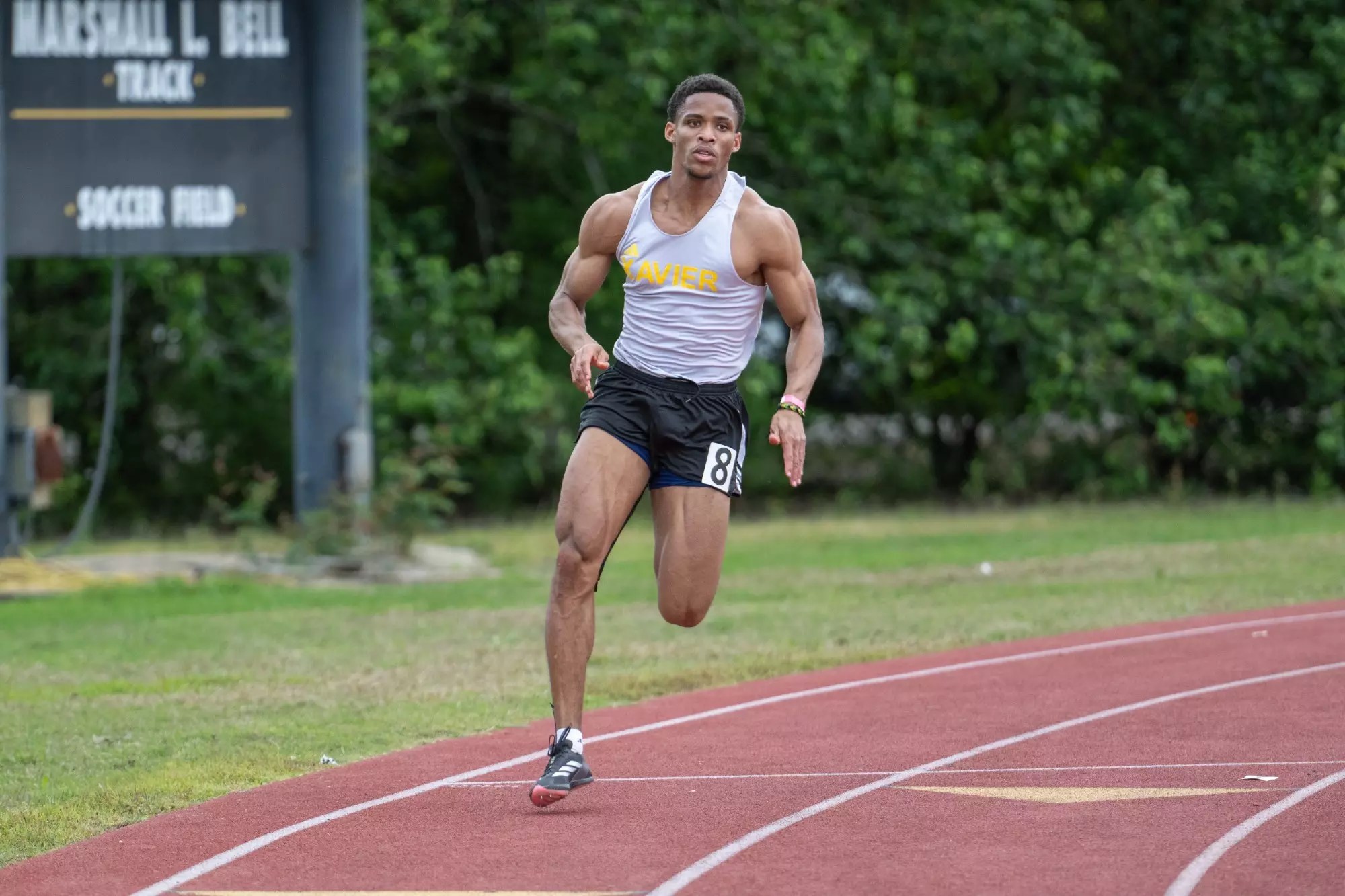
The star of the day was Xavier University of Louisiana’s men’s 4×400 relay team, posting the top time in the preliminaries of 3:09.42 to coast into the finals.
Karri Noel, the anchor for XULA’s 4×400 relay team, advanced to the finals of the men’s 400m earlier in the day, posting the sixth-fastest time of the event in a personal-best 46.84 seconds.
The best finish of the day for an individual athlete came from XULA’s Rochelle Jeffries, making it into the finals of the women’s 100m hurdles in a personal best time of 13.73 seconds.
Jeffries was one of two HBCU track athletes to finish in the top three of their respective event, joined by Huston-Tillotson’s Chaleica Booker, who clocked the third-best time in the women’s 400m field in 54.11 seconds.
Rust’s Kaden Andrus moved one step closer to claiming a National Championship, finishing fifth overall in the men’s 110 hurdles preliminaries in 14-seconds flat.
Rounding out the list of finals qualifiers is Talladega College’s Anthony Gentles, snagging the last spot in the men’s 100m field with a 10.48-second time, .01 seconds ahead of the first athlete out of contention.
The track events were not the only ones that were a source of pride for HBCU participants, as we also saw Voorhees’ Jaylen Burris produce a top-five finish in the men’s long jump.
Burris came within .01 meters of a National Championship, posting a 7.68m mark in his best attempt in the event, claiming the second-place spot on the podium.
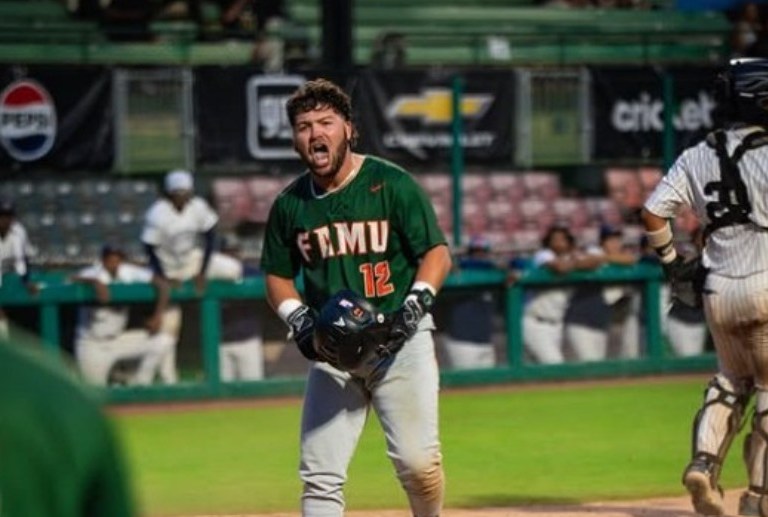
Florida A&M erupted in waves, piling up runs across the middle innings before slamming the door on Southern for a commanding 15-6 victory on Thursday night.
The loss for the Jaguars ended a 16-game conference winning streak dating back to the regular season.
The Rattlers didn’t wait long to set the tone. After scratching across an early run in the second inning on an RBI double from Matthew Perez, FAMU kept the line moving in the third. Perez delivered again with an RBI single, and Josue Figueroa added a sacrifice fly to push the lead to 3-0.
Southern briefly answered in the fourth, but that momentum didn’t last long.
The fifth inning marked the beginning of the separation. RBI singles from Figueroa and Jordan Brown, along with a sacrifice fly from William Brown, stretched the lead to 6-2. An inning later, FAMU kept applying pressure as Ethan Miller and Perez drove in runs to make it 9-3.
In the seventh inning, FAMU erupted for three more runs behind extra-base hits. Jay Campbell doubled home a run, Jackson McKenzie followed with an RBI double of his own, and Colton Ryals capped the surge with another run-scoring double to push the advantage to 12-3.
On the mound, Garrett Workman scattered six hits and allowed only two earned runs over 5.2 innings of work for the Rattlers.
The FAMU offense was rolling
Campbell wasn’t done. He tripled down the right-field line later in the game, and McKenzie added a two-run homer to extend the lead even further on a night when the Rattlers pounded out 19 hits.
FAMU’s ability to string together quality at-bats—whether through power or discipline—proved too much for Southern to overcome.
By the final out, the Rattlers had turned a close early contest into a runaway, using a balanced attack and explosive middle innings to secure the win.
In the first event on the track of the day, Dillard’s women’s 4×100 relay team finished second in the final heat, qualifying with a time of 45.82 seconds.
Dillard’s men’s 4×100 relay team joined the women by getting into the finals with a time 40.14 seconds, finishing second in the third heat.
Voorhees, the other HBCU 4×100 relay team in the men’s field, also qualified for the finals, coming in second in the second heat with a 40.15-second time.
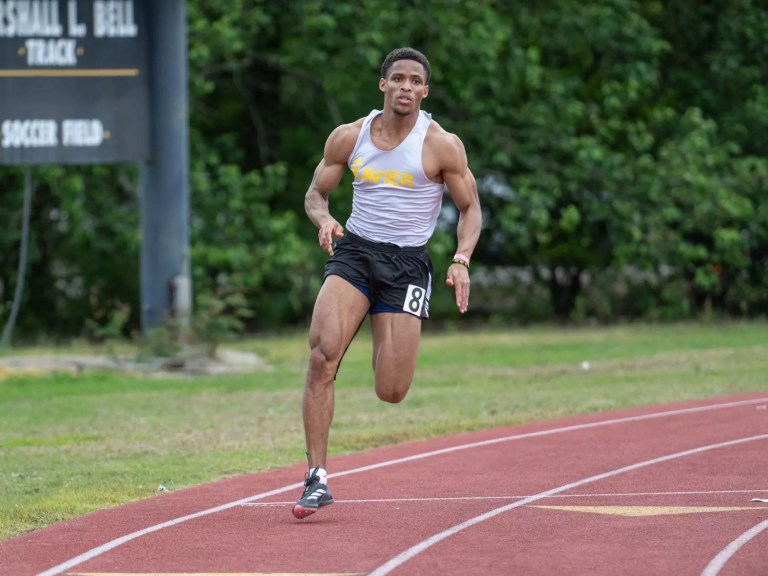
Xavier University of Louisiana’s Jaheene Bell was the first individual athlete to make it into the finals of his respective event, recording the second-fastest time in the 400-meter hurdle preliminary field of 50.66 seconds.
Photo: Xavier University of Louisiana Athletics
Rounding out the list of HBCU athletes that will compete in the finals of their event is Voorhees sprinter Zaireon Skinner. He made it into the finals of the men’s 200m, claiming one of the auto-qualifying spots after finishing second in his heat.
These athletes and relay teams will return to the track on Friday for their respective event finals.
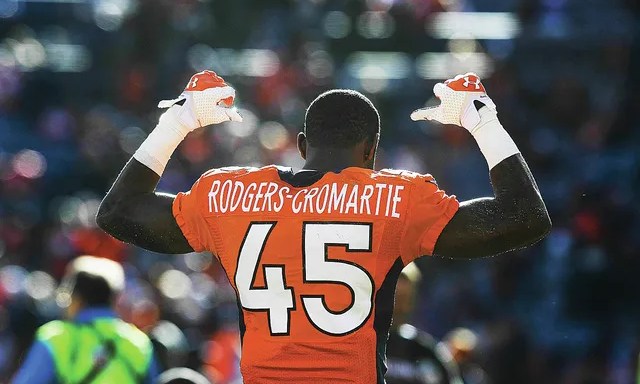
Former 11-year NFL veteran Dominique Rodgers-Cromartie is lending his services to the SIAC’s Allen University, joining the institution as its Athletics Ambassador per HBCUGameday.
“Dominique Rodgers-Cromartie represents the very best of athletic achievement, leadership, and professionalism,” said [Stanley] Cromartie. “We are honored to welcome him to the Allen University family as our Athletics Ambassador. His experience, passion, and dedication to uplifting HBCU athletics will have a tremendous impact on our student-athletes and our institution.”
Rogers-Cromartie went from HBCU star to NFL first-round pick
A standout defensive back at Tennessee State, Rodgers-Cromartie was selected to the All-OVC First Team three times and was named an FCS All-American in his final season in 2007.
He then entered the 2008 NFL Draft, where he was selected with the 16th overall pick by the Arizona Cardinals, becoming the first Tennessee State player to be taken in the first round since 1993.
Photo: Ohio Valley Conference
In his first season, Rodgers-Cromartie helped lead the Cardinals to their first and only Super Bowl appearance in franchise history, recording six total interceptions (two in the playoffs).
The following year, he made the first of two career Pro Bowl appearances, snagging a team-high six interceptions (tied for 5th in the NFL).
He made yet another Super Bowl appearance with the Denver Broncos in 2013, headlined by a record-setting season by Hall of Fame quarterback Peyton Manning.
The Tennessee Star ended his career with 30 interceptions (returning six for touchdowns) and seven forced fumbles.
“I am honored to join Allen University as Athletics Ambassador,” Rodgers-Cromartie said. “HBCUs continue to play a vital role in shaping opportunities for young people, and I look forward to supporting the student-athletes, staff, and university community in every way possible.”
Wildcats right-hander Jalen Porter recorded the final two nerve-wracking outs to secure the statement win.
Before the 90-minute weather interruption, the Golden Lions had built their advantage early and spent the rest of the game fending off a Wildcats comeback attempt.
Arkansas-Pine Bluff wasted no time jumping ahead in the first inning, beginning with an RBI single from SWAC Freshman of the Year Aaron Grant.
Blake Coleman followed with another run-scoring single, and Nick Hockemeyer added a sacrifice fly to cap a three-run opening frame off SWAC Pitcher of the Year Edwin Sanchez. The B-CU ace allowed five runs in just three innings of work in a surprising result.
The Golden Lions extended their lead in the second inning when Weston Gingerich lifted a sacrifice fly to left field, bringing home Konner Giddley for a 4–0 advantage.
UAPB added what proved to be a key insurance run in the fourth, as Giddley delivered an RBI single up the middle to score Zyon Hamilton and make it 5–0.
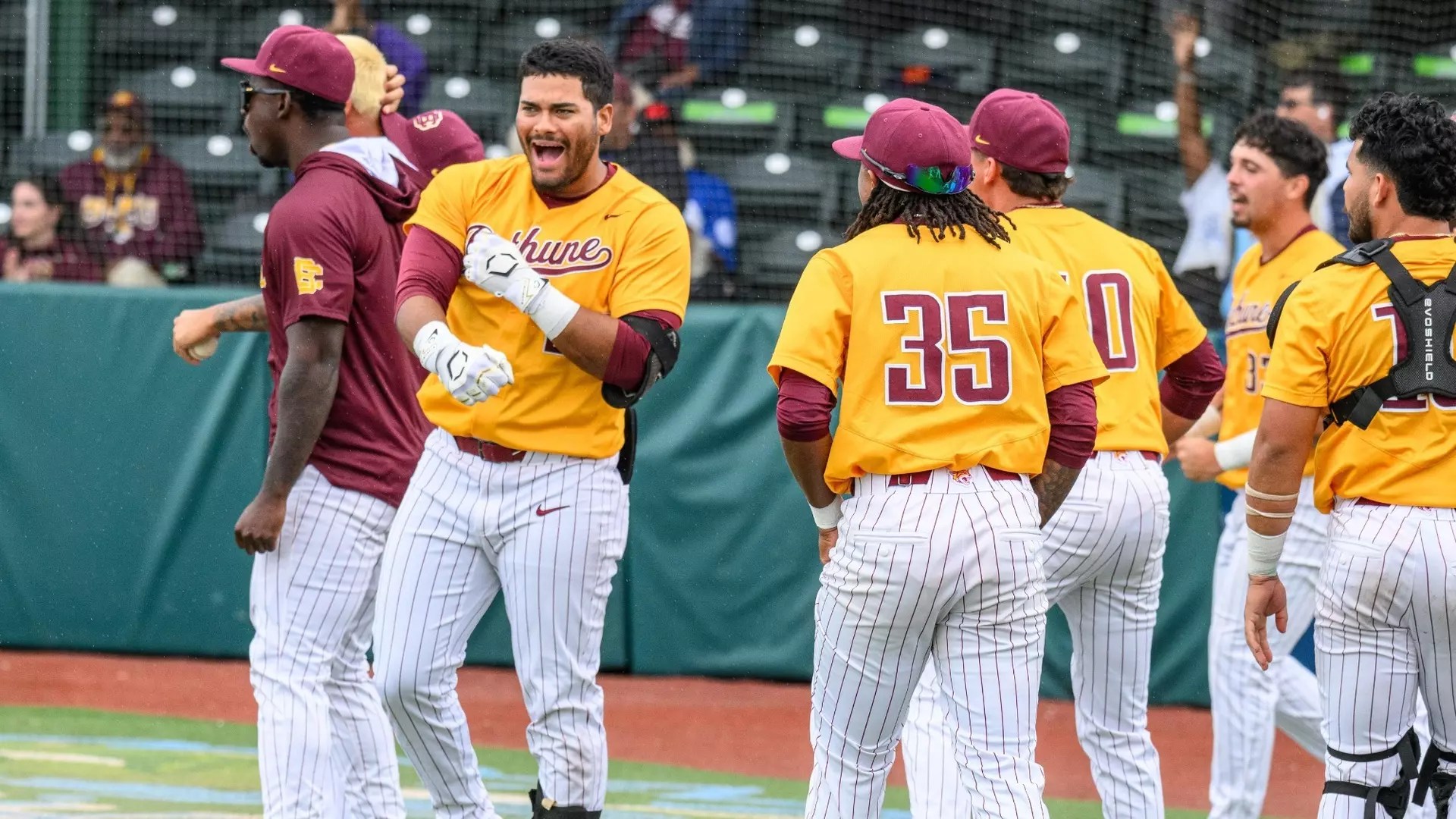
Bethune-Cookman mounted its comeback in the fifth inning. Sergio Rivera put the Wildcats on the board with a bunt single that scored Jeter Polledo. Shortly after, Andrey Martinez delivered a three-run home run to left field to cut the deficit to 5–4.
From there, the tension only built. Bethune-Cookman threatened down the stretch, and just as the Wildcats looked to mount one final push in the bottom of the ninth.
Arkansas-Pine Bluff regrouped and closed out the narrow victory, leaning on the cushion built in the early innings.
Golden Lions starter Kenney Fabian was the unsung hero of the night, allowing just four earned runs over seven strong innings.
Bethune-Cookman, the defending conference champions, head to the elimination bracket and will face Grambling State on Thursday.
UAPB moves on to play Alabama State in the next round.
Current and former HBCU football coaches say the path to major college football’s top jobs still runs through a gatekeeping system built on comfort and connections.
Marshall Faulk,Eddie George and Michael Vick all see the same problem from different angles, they told USA Today in a lengthy article about the struggles that Black coaches have getting a shot.
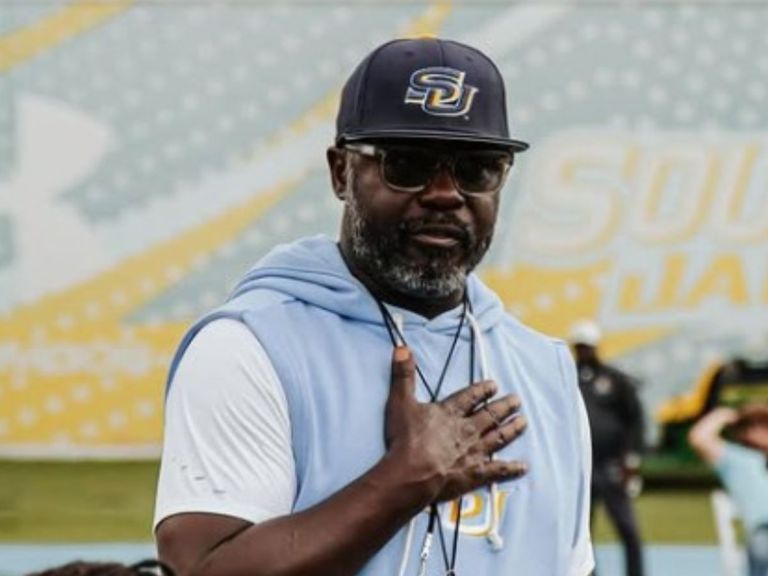
Faulk, the first-year head coach at Southern, said the game still treats former players, especially Black ones, like they cannot translate on-field success into leadership.
“Football’s the only sport that players struggle to come off the field and become a coach,” said Faulk to USA Today. “They look at us as if you’re successful at the game playing, then you won’t be successful at the game in any other capacity.”
Photo: The Sports Credential
‘It’s a comfort thing’
George, who was a successful coach at Tennessee State before moving on to Bowling Green on the recommendation of former college coach Urban Meyer, told the website that hiring often comes down to trust, not simply qualifications. “It’s not necessarily a race thing,” George said. “It’s more of a comfort thing: ‘This is who I trust in this position.’”
Vick, the head coach at Norfolk State after years in the NFL and time as an NFL analyst, framed the issue more bluntly. “It’s connection-based,” he said. “Sometimes it’s more about who you know than what you know. It’s just about getting the opportunity.”
The coaches’ comments land against a familiar backdrop. Black players now make up about half of Football Bowl Subdivision rosters, but only 13 of 136 FBS head coaches are Black.
In the Big Ten and SEC, the imbalance is even worse. But the HBCU route has offered a different kind of entry point, one that allowed ex-Jackson State coach Deion Sanders, George, Vick, Faulk, and Jackson to start leading programs without first spending decades climbing the traditional assistant-coach ladder.
In each case, none of the men had ever been a college head coach before. In the case of George and Vick, they hadn’t been coaches anywhere before landing Division I jobs.
Black players don’t get same respect as white ones
Sanders has spoken openly about that path, saying many former NFL players are told they must work their way up through layers of lower-level jobs while their playing accomplishments are set aside. That is part of why the HBCU model has mattered so much in recent years: it has given Black former players a place to prove they can recruit, manage, and lead.
Faulk said there is no reason the profession should be closed off to people with unconventional backgrounds.
“But if reach means ‘risk,’ why shouldn’t somebody take a risk on somebody like him?” he said.
“You can be JJ Redick and never have coaching experience and get the Lakers job. But can Marshall Faulk get the Rams job? Hell no. It is what it is.”
The larger point from the HBCU coaches is simple: opportunity creates proof, and proof creates possibility. For now, they are trying to force the door open one hire at a time.
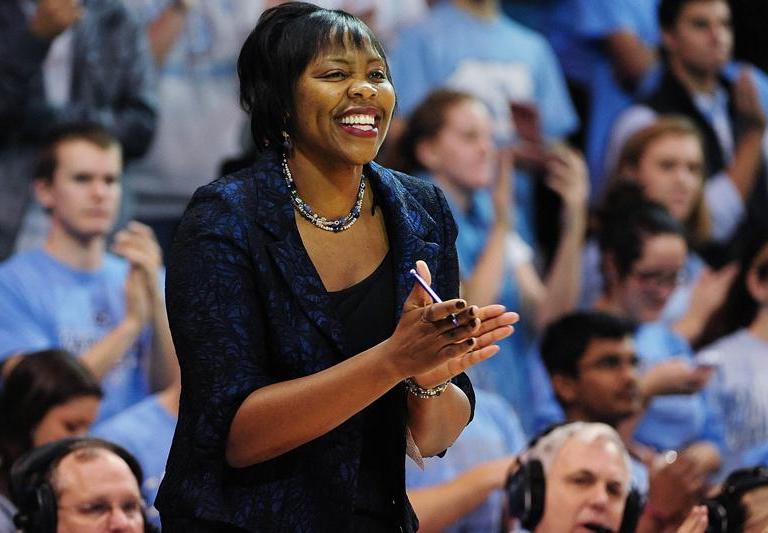
A lawsuit settlement involving former North Carolina Central women’s basketball coach Trisha Stafford-Odom is still hanging over the program as the school introduces a new head coach.
Stafford-Odom, who led the Eagles from 2017 until she was fired in September 2023, claimed in a lawsuit that NCCU dismissed her because she “was a zealous advocate on the NCCU campus for gender equity and because she fought to ensure that the NCCU’s women’s basketball team was properly resourced and treated on par with men’s athletics,” according to reporting by The Charlotte Observer.
The university denied the allegation and later settled the lawsuit for $100,000.
The coach said she was repeatedly raising concerns about unequal treatment, including “disparate salaries of coaches and recruiting and operating budgets of women’s teams versus men’s teams,” which her lawsuit described as “a clear violation” of federal law.
Stafford-Odom, who is a coach in the new UpShot League, also argued that the shortfalls affected her players directly.
“Because of a lack of continuity and support by a dedicated trainer and training staff, injuries that female players should have overcome in short periods of time persisted for much longer,” the lawsuit states.
According to the Observer, NC Central said it fired Stafford-Odom for reasons that included roster turnover, poor graduation rates, and concerns about “the safety and welfare” of student-athletes.
The school’s statement also said the settlement was not an admission of wrongdoing.
Reported housing dispute escalated tensions
The conflict intensified in August 2023 when two players arrived on campus without housing, according to the lawsuit.
Stafford-Odom said she provided the athletic department with a list of housing needs in April 2023, but “when players arrived on campus in August, two athletes still did not have housing.” The lawsuit says the players ended up staying with teammates before NCCU officials removed them from a dorm around 1 a.m. during the first week of classes.
“The players had no money for housing from the athletic department, had no vehicles, and they had nowhere to stay,” the lawsuit states.
The next morning, when Stafford-Odom took the players in, the staff allegedly questioned whether she had violated NCAA rules by giving them a place to stay. She was fired Sept. 13.
Stafford-Odom was 55-108 in six seasons at the helm in Durham.
This article is one in a series of features produced in partnership with the Southwestern Athletic Conference, exploring the history of the SWAC from its founding in 1920 to the present day. The series will run in April and May.
Before its days in the NCAA Division I ranks, the Southwestern Athletic Conference (SWAC) was home to some of the most prominent basketball players who stamped themselves among the greats in the history of the sport.
Names such as Naismith Basketball Hall of Famers Willis Reed and Zelmo Beaty, as well as ABA All-Time Team member Jimmy Jones and former NBA All-Star Bob Love, defined the SWAC’s early identity, setting a standard for those who followed.
As the conference transitioned into the NCAA, it would continue to produce NBA-caliber talent, including former NBA champion and eventual coach Avery Johnson and two-time NBA champion Lindsey Hunter.
With all the great talent that goes on to have exceptional professional careers, there are some hidden gems who produced historic achievements that many casual fans would never recognize.
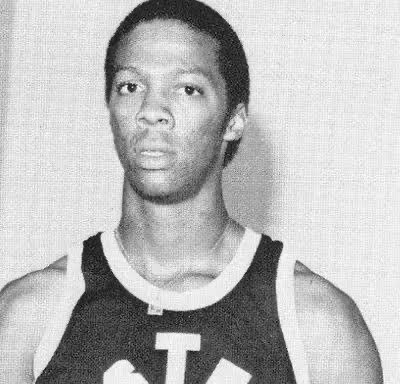
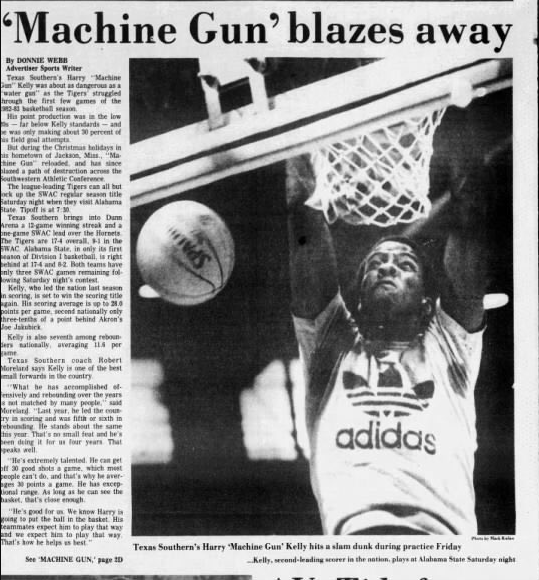
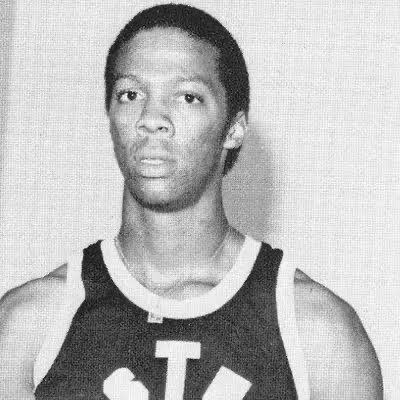
One of those kinds of players is former Texas Southern forward Harry Kelly, who, from the moment he stepped on the court for the Tigers, showed himself to not only be one of the most prolific scorers the conference has ever seen, but that college basketball has seen in general.
A Scorer Like No Other
Nicknamed “Machine Gun,” Kelly wasted no time making a name for himself, putting up averages of 29.0 points (ranked third in the NCAA) and 7.9 rebounds as a freshman.
The Mississippi native would continue to add to his legacy, leading the NCAA in scoring in each of his final two seasons with a combined average of 29.3 points per game.
He is one of only three SWAC players to lead NCAA Division I scorers, doing so in each of his final two seasons. He’s also one of seven NCAA Division I players to lead the country in scoring in consecutive years.
His 60-point performance against Jarvis Christian in 1983 is the most points scored in a game by a SWAC player in the conference’s time in the NCAA Division I ranks.
Texas Southern head coach Bob Moreland raved about Kelly’s ability to score the basketball, saying, “I don’t know what his range was, but it was beyond what they’re shooting today. If they had the three-point shot when he played, he would have scored more than 4,000 points.”
More Than Just Points
Kelly was also an excellent rebounder for the Tigers, averaging 9.9 for his career, including an average of 11.6 in his final two years.
As prolific a scorer as he was at Texas Southern, rebounding was a part of Kelly’s game that he took great pride in and turned out to be a byproduct of team success.
“I knew when I shot, if I missed I had to get the rebound and put it back up before they beat me up,” Kelly said in a 2010 interview with USA Today. “I had a jumper, but I took pride in rebounding. I had some nights where the jumper was falling, and I was lighting it up. When it wasn’t, I tried to shoot free throws and get rebounds. When it was falling, it was on. I had the freedom to shoot. Coach Moreland gave me freedom as long as I took good shots. He knew I pretty much would take good shots.”
This attitude paid dividends for Texas Southern, recording 20-win seasons in 1982 and 1983, clinching a berth in the SWAC championship game in the latter year.
At the end of his college career, Kelly finished with 3,066 career points, making him the then-third-leading scorer in NCAA history (he now sits in 10th) and the SWAC all-time leading scorer (he was eventually passed by Mississippi Valley State’s Alphonso Ford).
Adding in his 1,085 career rebounds made him the first player in NCAA history to finish his career with at least 3,000 career points and 1,000 career rebounds (three other players have since joined him).
Kelly ruled as the SWAC Player of the Year in each of his four seasons in the conference, the only player in SWAC history to do so. He is also one of only two players to be named to the All-SWAC First Team in all four seasons.
From Draft Day to Hall of Fame
With a career in the pros potentially on the horizon, the Texas Southern star began taking part in offseason scrimmages to test his skills against other NBA-caliber talent.
In games that featured future NBA greats Hakeem Olajuwon and Clyde Drexler of the University of Houston’s Phi Slamma Jamma, as well as former Jackson State star and then Golden State Warriors forward Purvis Short, Kelly held his own, creating a buzz entering the 1983 NBA Draft.
Photo: Texas Southern Athletics
However, after being selected in the fourth round by the Atlanta Hawks, Kelly was cut during rookie camps and never found his way back into the league.
A strong performance in a California Summer League with other NBA free agents, during which he averaged 30 points per game, was not enough to yield any other significant professional offers.
Despite this, Kelly’s impact on the conference remains intact, having his jersey retired by Texas Southern shortly after his senior season ended, and was eventually immortalized in the SWAC Hall of Fame’s 2006 class.
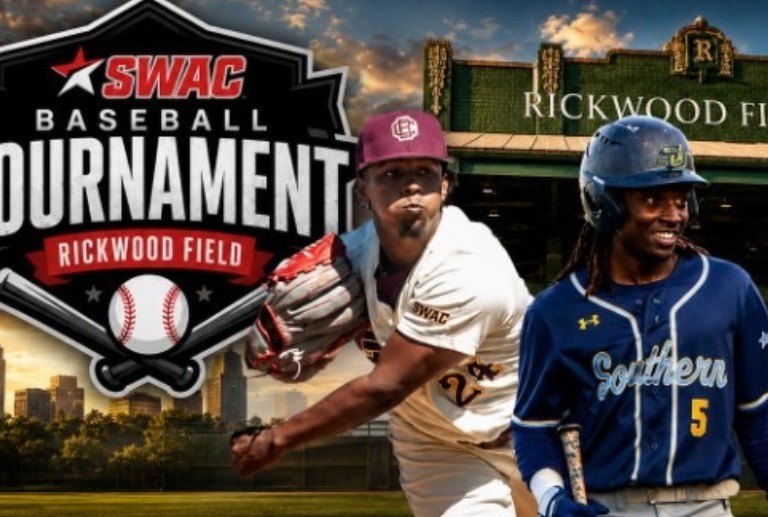
The 2026 SWAC baseball tournament sets up as a tournament of heavyweights at the top, but the bracket also leaves room for a sleeper run.
Here is everything you need to know about the field that will compete for a conference title at historic Rickwood Field this week.
Who are the SWAC Tournament favorites?
Bethune-Cookman is the safest pick to make a deep run because it finished 23-7 in SWAC play, won the league title, and entered as the No. 1 seed.
The Wildcats also bring the league’s preseason player and pitcher of the year into the mix in Andrey Martinez and Edwin Sanchez, which is exactly the type of star power that travels well in a short tournament. Sanchez posted a SWAC-leading 12-1 mark with a 2.52 ERA.
Photo: Bethune-Cookman Athletics
Southern is the most dangerous threat to Bethune-Cookman because the Jaguars arrive as the No. 2 seed and, more importantly, on a 15-game SWAC winning streak. That kind of momentum matters in a double-elimination format, especially when a team is playing clean, confident baseball at the end of the year.
Florida A&M also belongs in the favorite tier after earning the No. 3 seed with a 22-8 SWAC record, which gives the Rattlers both résumé strength and a favorable early path.
Teams that could shake up the bracket
Alabama State feels like the best sleeper in the field because the Hornets are the No. 4 seed and open with Grambling State, a matchup that is tough but manageable if Alabama State’s pitching holds up. The Hornets will roll with Jorhan Laboy (8-4, 4.12 ERA) and Trey Power (6-3, 1.56 WHIP) on the mound, which hints at the kind of arm depth that can matter over several days.
In a tournament where one hot weekend can flip expectations, Alabama State’s pitching — if it can hold up — has a shot backed by an offense that is second in the SWAC in homers, with 52 during the regular season.
Jackson State is another sleeper because its No. 7 seed looks modest, but the Tigers are still 16-14 in league play and carry a team batting average of .308 and 400 runs scored into the tournament.
The Tigers draw Southern in the opener, a team that JSU had not played during the regular season.
SWAC Tournament players to watch
Andrey Martinez is the name that jumps off the page because he was the preseason SWAC Player of the Year and one of the league’s most dangerous bats.
Edwin Sanchez is just as important, since he was tabbed preseason pitcher of the year and gives Bethune-Cookman an ace who can shorten a tournament game. If the Wildcats win it all, chances are one or both of them will have played a central role.
Photo: Southern University Athletics
For a broader watch list, Southern’s Benny Bikar and KJ White Jr., (who leads the SWAC in batting average at .415) give the Jaguars more lineup depth, while Florida A&M’s Jay Campbell and Garrett Workman add two-way and pitching intrigue.
Grambling State’s Cameron Hill and Trey Bridges also stand out as players who can swing a game or two if the Tigers get hot. In a tournament this compact, the difference between a quick exit and a run to Sunday often comes down to one or two impact players getting hot at the right time.
How the SWAC Tournament could be decided
The opening day slate creates some immediate pressure points: Florida A&M vs. Texas Southern, Alabama State vs. Grambling State, Southern vs. Jackson State, and Bethune-Cookman vs. Arkansas-Pine Bluff.
Bethune-Cookman’s first game is the cleanest on paper, but tournament baseball rarely stays tidy for long.
— Southwestern Athletic Conference (@theswac) May 17, 2026
If the bracket breaks as expected, Bethune-Cookman and Southern feel like the most likely title-game sides, with Florida A&M and Alabama State the teams best positioned to disrupt that script.
The safest championship pick is Bethune-Cookman, but Southern’s latest streak makes it the most believable challenger.