Albany State shakes up athletic department. It dropped one sport, added others

Asu Soccer
Albany State is dropping a sport while adding two others.

It was a decision school officials said was necessary as part of what was described as “strategic realignment.”

The university announced this week that it will discontinue its women’s soccer program while adding men’s and women’s indoor track and field, beginning with the 2026–27 academic year, according to a statement on the school’s athletic website.

After conducting a comprehensive review of its sports offerings, Albany State leadership determined that changes were necessary to better align with conference structure, resource allocation, and the evolving landscape of collegiate athletics.

Women’s soccer has competed in the 11-team Martinez, Georgia-based Peach Belt Conference. The Golden Rams finished 0-9-1 in league play and 3-12-1 overall during the 2025 season.

“This decision reflects our commitment to aligning resources in a way that best supports the long-term success of our student-athletes and the continued growth of Albany State University,” said ASU President Robert Scott in a statement.

“While these decisions are never easy, they are necessary to ensure we are positioned to compete and thrive in an evolving collegiate athletics landscape.”

Athletic director Kristene Kelly acknowledged the emotional weight of the move, particularly for those directly impacted.

“This was a difficult but necessary decision as we continue to align our programs and move the department forward,” Kelly said. “Our priority now is supporting our women’s soccer student-athletes through this transition while continuing to build a stronger foundation for sustained success.”

When will the changes at Albany State take place?
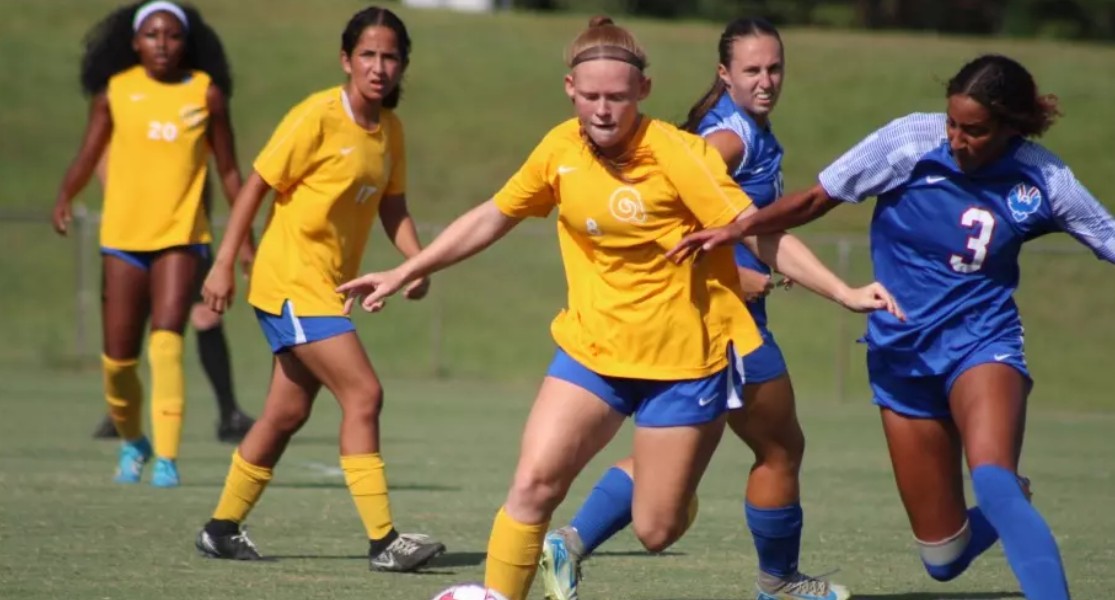
Photo: Albany State AthleticsUniversity officials emphasized that the timing of the decision comes after a broader evaluation of how Albany State can best sustain and grow its athletics programs.

“This decision reflects an evaluation of our sport sponsorship and a strategic realignment to better position Albany State athletics for long-term success,” the department noted. “As collegiate athletics continues to evolve, it is important that our programs align with conference structure, participation opportunities, and sustainable growth.”

Starting in 2026–27, Albany State will sponsor 12 varsity sports—five men’s and seven women’s programs—all competing in the SIAC. The addition of indoor track and field is expected to strengthen an area where the program already has a foundation.

“Adding men’s and women’s indoor track and field increases participation opportunities, aligns with our existing outdoor track programs, and strengthens the overall competitive structure of the department,” the university stated.

Meanwhile, officials cited ongoing challenges in women’s soccer as a key factor in its discontinuation.

“Women’s soccer presented alignment challenges related to conference affiliation, scheduling, and long-term sustainability within the department’s current structure,” according to the university.

Despite the change, Albany State is making it clear that current student-athletes will not be left without support. The university confirmed that scholarships will be honored for those who choose to remain enrolled through the 2026–27 academic year.

Albany State says it will support women’s soccer players

Albany State will also assist players who decide to explore opportunities elsewhere.

“Albany State Athletics will support student-athletes through the NCAA transfer process and provide guidance on available options,” the department said, adding that academic support and individualized resources will also be available during the transition.

Officials also stressed that this move is not about stepping away from conference or NCAA commitments.

“Albany State will continue to meet conference and NCAA sport sponsorship requirements and will remain a full member of the Southern Intercollegiate Athletic Conference,” the university confirmed.

In the bigger picture, Albany State sees this as a necessary step toward building a more sustainable and competitive athletics model.

“This decision reflects strategic alignment, including responsible resource management and long-term sustainability,” the department said.

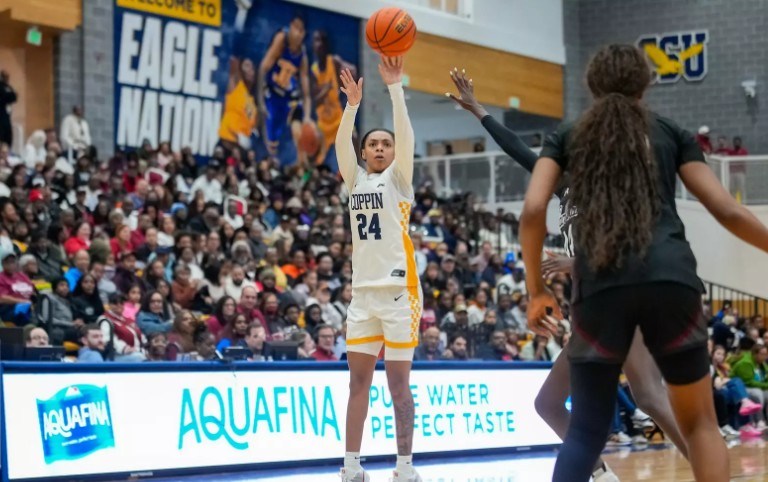
HBCU women’s basketball team to host national powerhouse this coming season

Coppin State
An HBCU women’s basketball team that has hosted some big opponents in years past has locked in another one for the 2026-27 season.

Coppin State announced that eight-time NCAA champion Tennessee will visit the Physical Education Complex Thursday Nov. 5.

The Lady Eagles have hosted LSU as well as South Carolina last season, where Coppin head coach Darrell Mosley and USC head coach Dawn Staley were reflective of what that opportunity meant for both schools.

“I remember when I was at Temple, we couldn’t get many top programs to play us — let alone on our home floor,” Staley said. “So I always think about those times and give people an opportunity to play a game like this.”

“Talking to Coach Staley, it’s tough for them to find games,” Mosley said. “You’re top in the nation in wins and national championships — nobody really wants to play you.”

Coppin State has proven they will play anyone, including the best of the best. They’ll do this year again against a Lady Volunteers team that will likely be fielding an entirely different roster than the one that went 16-14 last season.

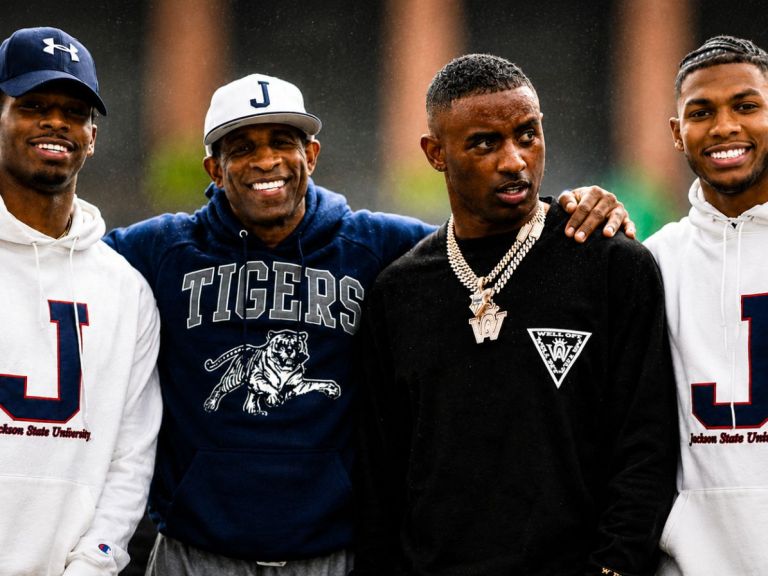
Deion Sanders Jr. says family’s time at Jackson State ‘was magical’

KNOCKED DOWN 21
Deion Sanders Jr. is still carrying the glow of the Jackson State years.

In a recent conversation with Mr_Organik, Sanders opened up about his father’s two-and-a-half seasons at Jackson State and spoke about the lasting impact those years had on his family. The memories, he said, still feel vivid — almost too big to fully process.

“Those Jackson State days was… bro, that was magical, dog,” Sanders said. “It’s definitely surreal, and I miss them days, dog. Those days were special, for sure.”

For Deion Sanders, Jackson State was more than a stop on a coaching résumé. It was a place where football, culture and legacy all came together. He spoke with real admiration for the school’s tradition, academic standing, and football history, describing the HBCU as a program with national respect and deep roots.

“Football-wise, and even school-wise, they have a very rich tradition,” Sanders said. “That Jackson State sh*t is really in their blood.”

He compared the pride around Jackson State to the kind of identity attached to blue-blood programs across college football, making the case that the Tigers belong in that same conversation. The legacy, he said, is built on more than wins — it is built on generations of excellence and the weight of what has come before.

“That Jackson State, that Jackson State sh*t is really in their blood. Yeah. Like, it’s… And that’s how it’s supposed to be.  Like, that’s how people rep the Ohio States, the this or that, and Jackson State is up there with them. Jackson State’s a big dog. They- Right…it’s a legendary school.

Sanders credited JSU for molding Shedeur Sanders

Sanders also credited Jackson State and HBCU football for helping shape Shedeur Sanders into the quarterback and competitor he has become. In his view, the level of play, the intensity and the mindset around those games helped sharpen Shedeur’s edge.

“It was needed for us to go there,” Sanders said. “It was needed for Shedeur to go there as part of his journey.”

That edge, he explained, showed up in moments that helped define Shedeur’s college career. From grabbing a defender’s mouthpiece and tossing it into the stands during a game against Arizona State to sprinting in defense of a teammate after a hit against Colorado State, Sanders said those reactions were part of a mentality built in the SWAC.

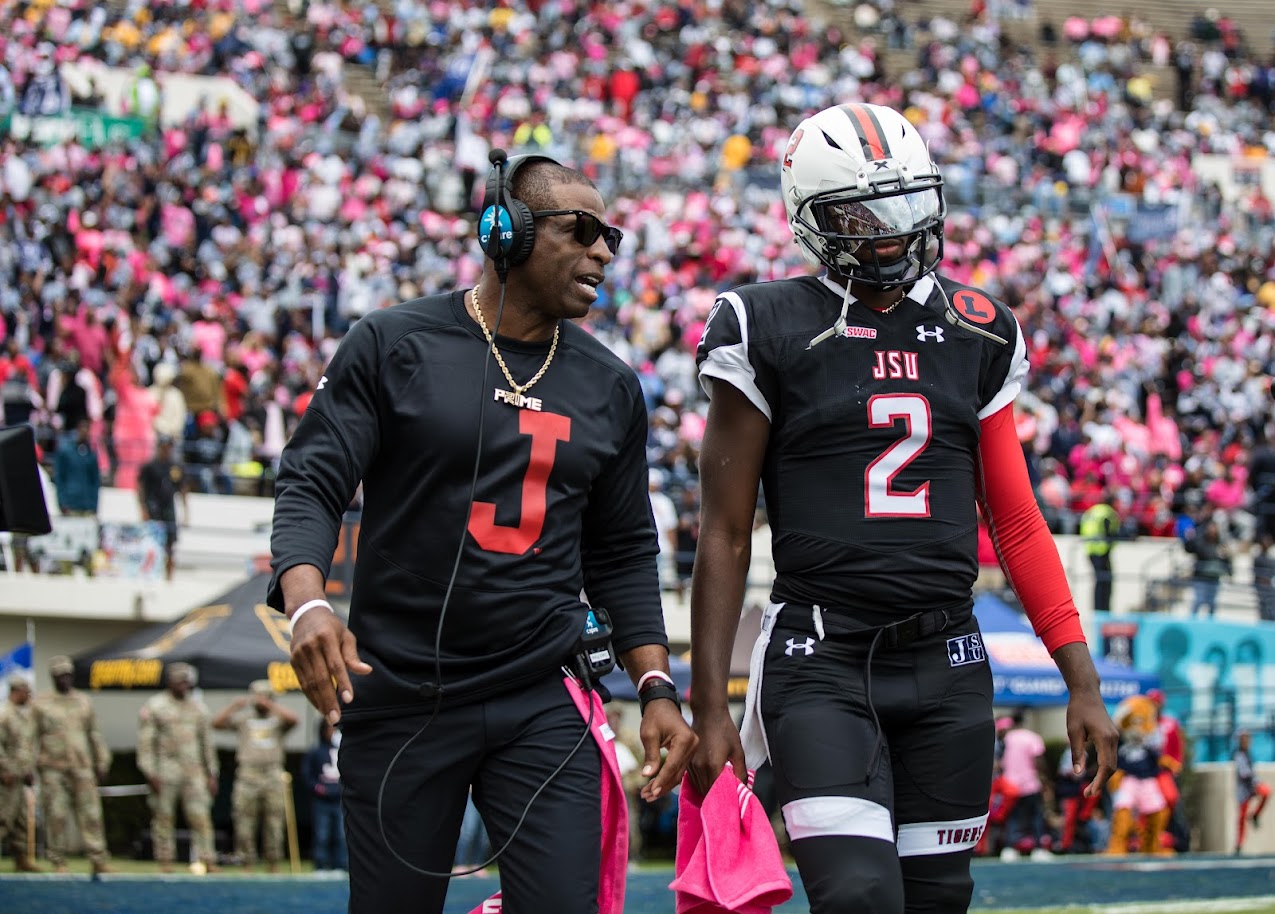
Deion Sanders, Shedeur Sanders
Photo: Justin Ford/HBCU Sports

“That’s that Jackson State,” he said. “That grow you. That mature you and it teaches you how to be a man.”

The broader message was clear: Jackson State did not just help build a football team, it helped build people. Sanders said the HBCU environment, the “swag,” the physicality and the competitive fire all played a role in shaping Shedeur’s confidence and toughness.

In just 2 1/2 seasons, Deion Sanders transformed Jackson State into a national story. The Tigers won back-to-back SWAC titles in 2021 and 2022, finished with a 27–6 record and earned consecutive trips to the Cricket Celebration Bowl. More importantly, for the Sanders family, those years left a mark that still feels personal.

SWAC History: Alphonso Ford, the SWAC’s all-time leading scorer

Alphonso Ford F02e6962 252f 4250 Adfb 7ec0b5ba38b Resize 750
This article is one in a series of features produced in partnership with the Southwestern Athletic Conference, exploring the history of the SWAC from its founding in 1920 to the present day. The series will run in April and May.

Of all the great basketball players that have come through the Southwestern Athletic Conference (SWAC), arguably none have had a more transcendent college career than Alphonso Ford.

The Mississippi Valley State standout guard not only stamped himself as the most prolific scorer in SWAC history, but one of the greatest in college basketball history in general.

As a freshman, Ford led the conference in scoring with 29.9 points per game (fourth in the country), being named the SWAC Freshman of the Year.

He would lead the SWAC in scoring over the next two seasons, becoming the first player to lead the conference in each of his first three seasons since 1963 (James Allen, Arkansas-Pine Bluff). This included his sophomore season in 1991, when he posted a career-high 32.7 points per game (second in the country), marking the highest single-season scoring average in conference history.

The dynamic scorer helped lead Mississippi Valley State to its second NCAA tournament appearance, claiming the regular season title in a tie with Texas Southern before beating Southern in the conference tournament final. He concluded his final collegiate season with a 26.0 points per game average, making him the only player in NCAA Division I history (man or woman) to average over 25 points in four consecutive seasons, a distinction that remains exclusive to him.

The MVSU guard finished his college career with 3,165 points, making him the SWAC’s all-time leading scorer, a title he still holds to this day, and in fourth place on the NCAA Division I career scoring list (currently sits at sixth). Despite never being selected as the SWAC Player of the Year, Ford is one of two players ever to be named to the All-SWAC First Team in all four seasons (along with Harry Kelly).

From Mississippi Valley State to the Pros

Ford briefly played in the National Basketball Association (NBA), being selected in the second round by the Philadelphia 76ers, and later signing with the Seattle Supersonics after being waived.


While he would play in 11 career games with the Supersonics and 76ers across two seasons in the NBA, most of his time in the league was spent with the Continental Basketball Association (CBA), the now-defunct developmental program that served as an unofficial feeding system to the NBA.

Ford made a profound impact in the CBA, averaging 23.4 points per game and 1.8 steals while shooting 49% from the field and 35% from three-point range in his two seasons in the CBA. He was selected to the CBA All-Star in each of his two seasons, including in 1994 when he was named to the CBA First Team.

This was just the beginning of an astounding overseas career that helped Ford cement himself among the top scorers in Euroleague history.

Taking Europe by Storm

He first made his way to Spain in 1995, playing for AGB Huesca, where he averaged 24.9 points on 56% shooting from the field and 36% from three.

His next stop was Greece, where he signed with TAK Papagos (Papagou B.C.) and won Greek League MVP in his first season with the team, leading the league with a scoring average of 24.7 points per game.

Before the start of the 1998 season, Ford received some life-altering news, being diagnosed with leukemia, forcing him to miss an entire year on the court.

A Fighter Until the Final Buzzer

While his contract would be voided by Papagou following his diagnosis, he would bounce back, returning to the basketball court the following year, signing with Sporting B.C. in Greece. Without missing a beat, Ford once again led the Greek League in scoring during the regular season and was selected to his third Greek All-Star team.

In 1999, Ford signed with Peristeri Betsson, where he played two seasons and had his most successful professional tenure.

He led the Greek League in each of his two seasons with the team while also leading the Euroleague in scoring in 2001, fielding a selection to the All-Euroleague First Team. Ford then played a year with Olympiacos B.C., where he once again led the Euroleague in scoring, leading the team to the Greek Cup and being named the series MVP.

After a prosperous stint in Greece, Ford then found himself in Italy, where he would spend his final two seasons. He first played with Montepaschi Siena, being named to the All-Euroleague First Team for the second time. Despite his leukemia being in advanced stages, Ford still proceeded with playing in the 2003-2004 season, signing with Scavolini Pesaro.

There, he helped lead the team to the playoffs, averaging a team-high 23.5 points per game on 54% shooting from the field and 46% from three, adding 2.0 steals per game. Less than two weeks after announcing his retirement from Euroleague, Ford succumbed to his Leukemia, passing away at 32 years old.

Shortly after his passing, a trophy was named in his honor, being presented to the leading scorer of the Euroleague season up until the Final Four stage of the postseason. Ford was inducted into the SWAC Hall of Fame in 2014 and the Greek League Hall of Fame in 2022. In addition, his jersey number was retired by Papagou and Peristeri Betsson.

HBCU baseball legend named manager for Swingman Classic at MLB All-Star Game

Rickie Weeks SU
One HBCU baseball legend will be coaching up some future legends this summer in one of baseball’s most anticipated events.

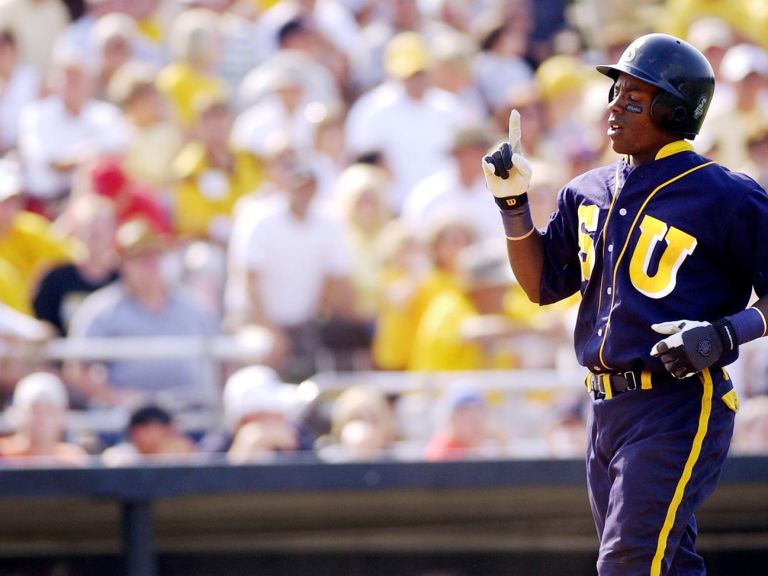
Southern University great Rickie Weeks, along with longtime Philadelphia Phillies shortstop Jimmy Rollins, were named managers for the fourth annual Swingman HBCU Classic on Wednesday. The Swingman Classic was founded by baseball Hall of Famer Ken Griffey Jr. and is designed to give HBCU baseball players an opportunity to be scouted at the highest level.

The Swingman Classic is set to take place on Friday, July 10, at Citizens Bank Park in Philadelphia, where this year’s Major League Baseball All-Star game will be held.

Photo: MLB.COM

“I’m privileged. [Southern University] was one of those places where you grew up,” said Weeks on MLB
Network. “Coming back and getting a chance to manage a team [with players from] the team that gave me a
chance to play college baseball, what more can you ask for than that?”

Weeks led the NCAA in hitting in 2002 and 2003, earning the Golden Spikes and Dick Howser Awards as college baseball’s best player. He was drafted as the second overall pick in 2003 by the Milwaukee Brewers and went on to play 15 seasons with the Brewers, Seattle Mariners, Arizona Diamondbacks and Tampa Bay Rays.

Kentucky State students file lawsuit to stop state takeover of HBCU

Screenshot 2026 05 27 130931
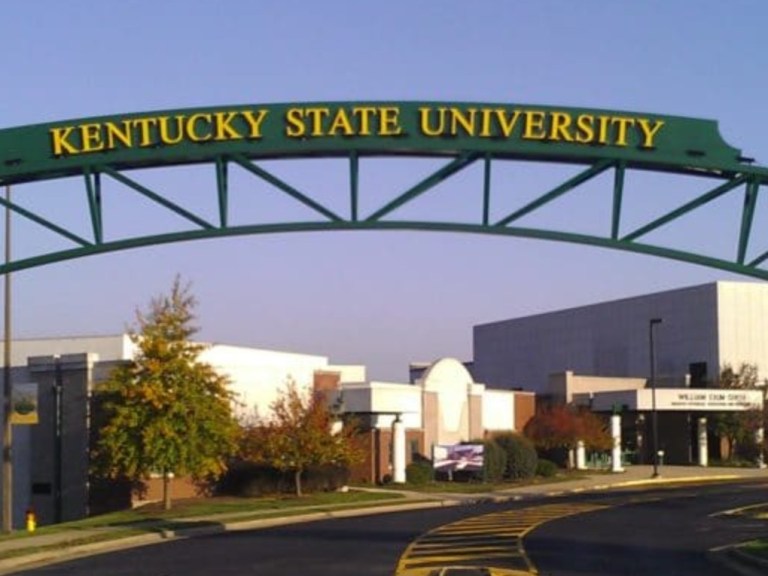
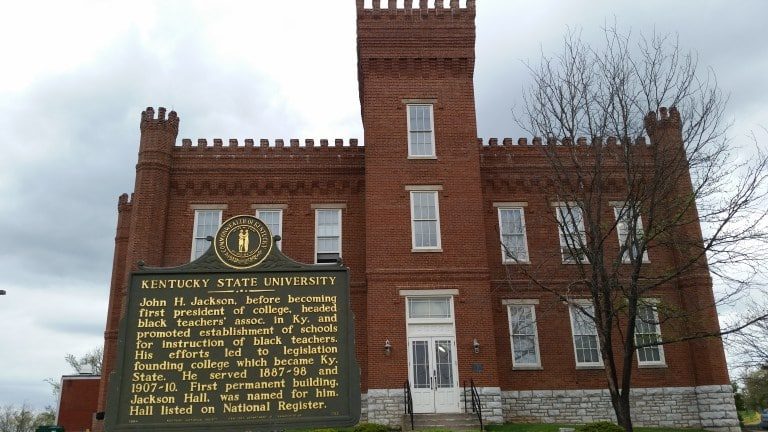
Things are getting even more complicated at Kentucky State University.

Just days after one lawsuit challenged a sweeping new state law aimed at restructuring the school, a second class action suit has now been filed—this time by a group of anonymous students who say the legislation itself is unconstitutional, according to reports.

The May 21 filing comes less than two weeks after an earlier lawsuit from students and alumni argued that the same law violated civil rights protections, according to the Louisville Courier Journal.

Now, the latest legal challenge targets the law’s passage, accusing lawmakers of bypassing proper legal procedures.

What the Kentucky State lawsuit says

The lawsuit names a long list of defendants, including Kentucky Gov. Andy Beshear, the Kentucky Council on Postsecondary Education and its leadership, and multiple state agencies. Kentucky State University, its board of regents, Board Chair Tammi Dukes, and President Koffi Akakpo are also included.

Photo: Kentucky State

“The irreparable harm is intensified by KSU’s unique status as Kentucky’s 1890 land-grant university and only public HBCU, and by the Commonwealth’s longstanding federally recognized commitments to enhance, rather than narrow, KSU’s mission, programs, funding, facilities, land-grant activities, administration, faculty capacity, and student opportunity,” the students’ complaint says.

At the center of both lawsuits is Senate Bill 185, which was signed into law on April 13. The measure introduces major changes designed to stabilize KSU’s finances, including placing the university in a state of financial exigency for up to five years—or until its financial outlook improves.

But those changes are significant.

What does SB 185 plan to do?

Under SB 185, Kentucky State is set to transition into a polytechnic institution, with many liberal arts programs moving online. Starting in the 2026–27 academic year, the university will offer no more than 10 in-person academic programs, with limited exceptions.

The law also expands the authority of the university president, allowing for employee terminations with just 30 days’ notice as part of broader cost-cutting efforts.

University officials say they are not involved in the lawsuits.

In a statement following the second filing, KSU said it did not coordinate with the plaintiffs and was unaware of the action beforehand. The university added that it will continue to follow applicable laws while working with state and federal partners to carry out its mission.

With two lawsuits now challenging the same legislation from different angles, the future of Kentucky State—and how far the state can go in reshaping it—could ultimately be decided in court.

SWAC History: Dennis ‘Oil Can’ Boyd kept hitters off balance and fans entertained

Screenshot 2026 05 26 161935

This article is one in a series of features produced in partnership with the Southwestern Athletic Conference, exploring the history of the SWAC from its founding in 1920 to the present day. The series will run in April and May.

Jackson State enjoyed plenty of success under legendary head coach Bob Braddy, which, aside from SWAC championships and NAIA/NCAA tournament appearances, included sending several athletes to Major League Baseball.

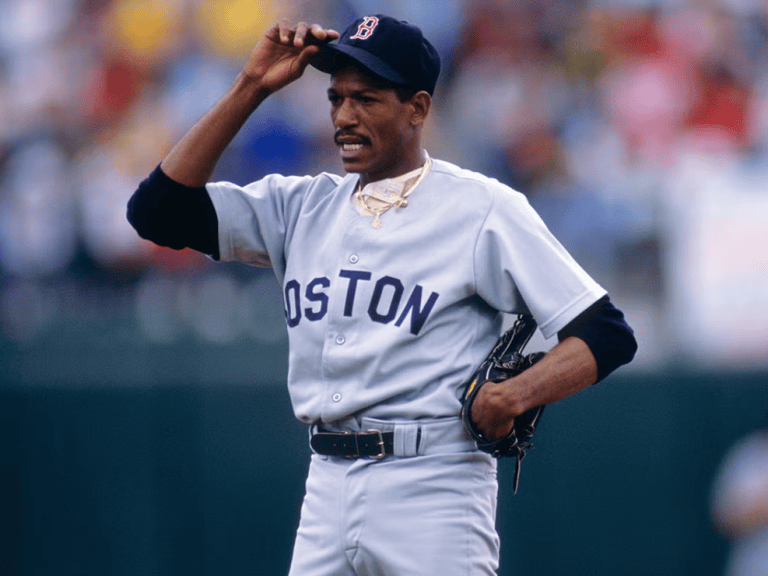
While all were talented, none may have been more of a unique character than Dennis “Oil Can” Boyd.

Meridian, Mississippi native Dennis Ray Boyd came from a long line of baseball players, but his nickname even surpassed those of the Negro League players his father, Skeeter Boyd, and uncles K.T. and Robert Boyd competed against.

“Oil Can” came from his proficiency at drinking beer, which was known as “Oil” in those days in the Delta.

His pitching talents left SWAC batters feeling a little drunk, as he finished with a record of 20-5 in three seasons at JSU.

Confidence was key for “Can”

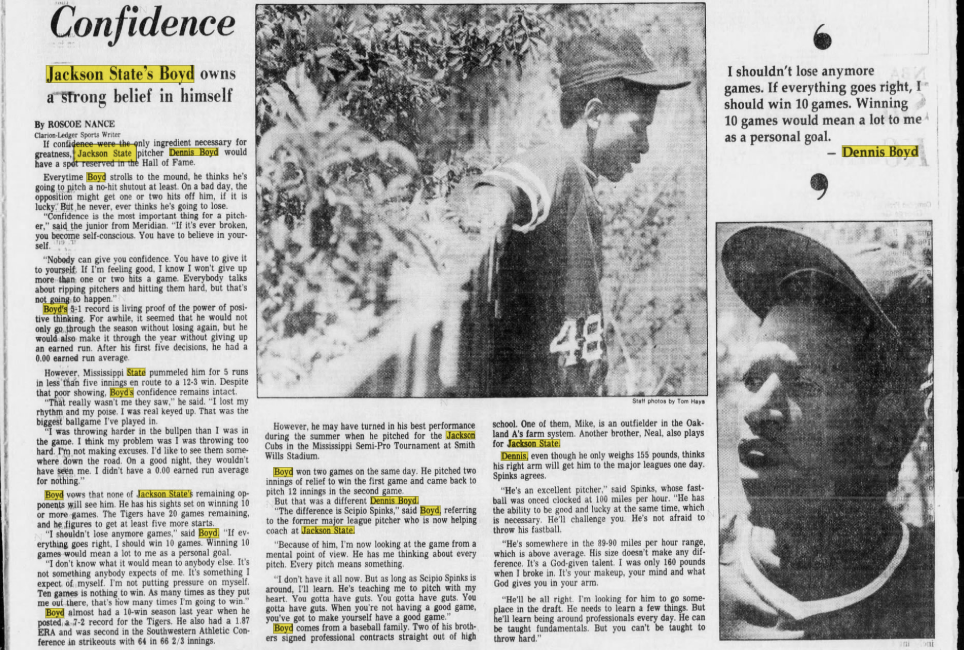
After a sizzling 5-1 start to his junior year in the 1980 season, Boyd was profiled by legendary sportswriter Roscoe Nance in the Jackson Clarion-Ledger, discussing his prospects for a pro career.

“Confidence is the most important thing for a pitcher; If it’s ever broken, you become self-conscious,” Boyd told Nance. “You have to believe in yourself.”

Jackson State pitching coach Scipio Spinks, who pitched five seasons in the Majors before joining Braddy’s staff, said Boyd had Major League stuff, despite being a rail-thin 155 pounds at 6 feet, 2 inches.

“He’s somewhere in the 89-90 miles per hour range, which is above average,” Spinks explained. “His size doesn’t make any difference; It’s a God-given talent.”

Though Boyd fell short of his goal of winning 10 games that season (he finished with an 8-2 record), the Boston Red Sox noticed that talent and drafted him in the 16th round of June’s Major League Baseball Secondary Draft.

Major League Success

When Boyd was called up in the final two weeks of the 1982 season, he joined a Red Sox staff featuring a who’s who of hurlers. Dennis Eckersley was a starting pitcher then and would go on to win the American League MVP and Cy Young awards in 1992. John Tudor was an innings eater who went on to a 21-year career with the St. Louis Cardinals in 1985. Rounding out the staff were World Series winners Mike Torres, Bruce Hurst, and Bob Ojeda, whom Boyd would see in a bigger game a few years later.

Boyd’s Major League debut on September 13 was a good one as he only gave up two runs in 5 ⅓ innings, but the Red Sox fell to the Cleveland Indians 3-1.

Boyd returned to the Majors for good in June of 1983 and made his first start of the season at the Metrodome in Minneapolis against the Minnesota Twins.

The tall, skinny Black kid with the funny nickname was a point of interest for all involved.

“I can’t wait to see this guy named ‘Oil Can,’” Twins first baseman Kent Hrbek said before game time.

Red Sox catcher Gary Allenson said, “He is one of those pitchers they [the fans] come to see – in this case, before they even know who he is.”

Boyd introduced himself to the Minnesota crowd of less than 9,000 with a six-inning performance consisting of two earned runs and seven hits allowed as the Red Sox beat the Twins 6-3 for his first Major League win.

“I wasn’t nervous,” he said afterward. “I couldn’t afford to be nervous.”

Boyd became a reliable pitcher for the Sox, winning 12 games in 1984, 15 in 1985, and a career-high 16 in 1986, good enough for second on the team behind some guy named Roger Clemens.

Big Time Boyd

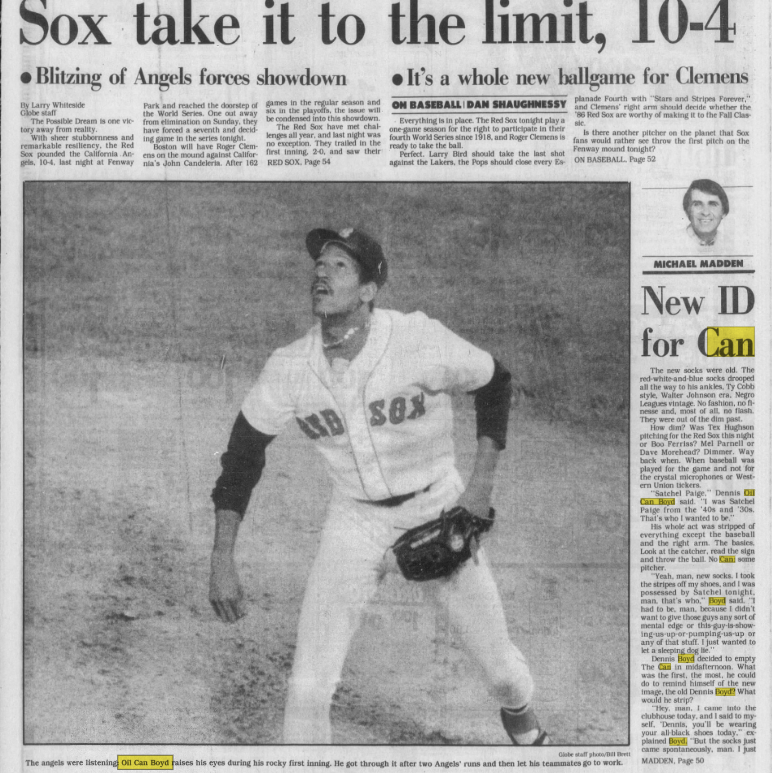
Boyd’s biggest start of the season was Game 6 of the American League Championship Series against the California Angels.

The Sox snatched victory from the jaws of defeat in Game 5 thanks to Dave Henderson’s iconic home run, but they still trailed 3 games to 2 coming back to Fenway Park.

Against a hard-hitting lineup featuring Hall of Famer Reggie Jackson, Boyd was equal to the task.

He pitched seven innings, allowing three runs and striking out five. The Boston offense took care of the rest, drilling the Angels 10-4 in Game 6 and 8-1 in Game 7, completing a 3-1 comeback.

Boyd said he channeled a hero of his for his bend-but-don’t-break Game 6 performance.

“Satchel Paige,” he told the Boston Globe. “That’s who I wanted to be.”

The Red Sox went on to face the New York Mets in the World Series, which went to a Game 7 after Bill Buckner’s infamous error that allowed the Mets to tie the series at 3.

With the World Series on the line, all hands – and pitching arms – were expected to be on deck. Unfortunately, Boyd, who had experimented with drugs outside of his reliable Oil, was accused of being too under the influence of alcohol to perform in Game 7.

The Red Sox lost the game 8-5 and the championship.

Boyd continued to pitch for the Red Sox until 1989, when he moved on to the Montreal Expos and then the Texas Rangers. He still had offers to pitch as a reliever, but retired following the 1991 season, finishing his career with a 78-77 record.

Oil Can Boyd was inducted into the SWAC Hall of Fame in 2010 and released his autobiography, They Call Me Oil Can. He is still actively involved with Red Sox events as one of the true characters in the franchise’s storied history.

Why Alabama State baseball can beat Alabama in the 2026 NCAA Tournament

Bamastatebsbcanva 1
Alabama State is 0-for-2 against Alabama this year.

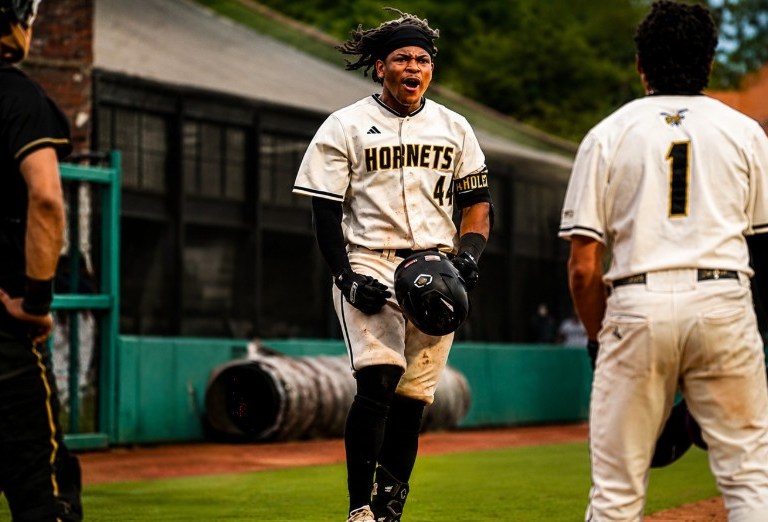
But that doesn’t mean the Hornets should be decided underdogs against the Crimson Tide ahead of their 2026 NCAA Baseball Tournament matchup. 

Fresh off rolling through the SWAC Tournament, Alabama State has a credible path to an upset when the regional round begins in Tuscaloosa on Friday.

The Hornets already showed in a 2-1 loss to Alabama on Feb. 18 that they can hang with the Tide, and Alabama State later proved in conference play that its best version can beat quality teams with power and timely pitching.

Why Alabama State can play spoiler

Alabama State’s tournament profile is built on three things: contact hitters at the top of the order, big swings in the middle, and enough pitching to survive if the game stays tight.

The Hornets won the 2026 SWAC Tournament, and Miguel Oropeza was the tournament MVP after hitting .571 with 13 RBI and two home runs across four games, while pitchers James Peterson and Jorhan LaBoy helped stabilize the staff.

The Hornets, winners of eight consecutive games dating back to the regular season, also showed they can create stress on Alabama by putting traffic on the bases.

In their first meeting, Alabama State out-hit Alabama 7-5 and struck out 13 Crimson Tide batters, but lost because of two unearned runs. That matters because it suggests the Hornets’ ceiling is not far from Alabama’s if they clean up defense and get hits with runners in scoring position.

Photo: Alabama State

Alabama State’s offense has multiple ways to hurt a favorite.

Oropeza (.366, 11 HR, 65 RBI), Niguel Jenkins (.331), Fabian Santana (.322), Breydon Divine (.308), and Devin Chandler (.291) give the Hornets a deep top five with both average and on-base ability. Catcher Trey Callaway provides the thump with a team-leading 16 homers on the season.

The Hornets overall finished the regular season with a .281 team average, 373 runs, 91 doubles, 57 homers, and a .391 on-base percentage, which is a strong offensive base for an underdog in a regional-style environment.

They also went 7-0 in neutral-site games, a useful indicator for tournament play away from home.

Alabama is better overall, but not invincible. The Crimson Tide has struggled offensively all season.

They finished 2026 with a .253 team average, 355 runs, 70 homers, and a .372 on-base percentage, while opponents hit .246 against them. Their pitching was strong enough to post a 4.28 ERA and 606 strikeouts, but the staff was still vulnerable to damage when opponents got on base and forced long innings. Pitching path to an upset

The clearest upset formula for Alabama State is to keep the game in the hands of James Peterson and Camden Matthews as long as possible, then hand off to Jorhan LaBoy or Trey Power in the middle-to-late innings.

Peterson logged a 3.32 ERA, 53 strikeouts, and 18 appearances, while Matthews posted a 3.49 ERA and six saves. In SWAC play, Peterson was even sharper with a 2.13 ERA and 32 strikeouts over 50.2 innings, and Matthews held a 2.64 ERA with three saves. That gives the Hornets a credible late-game structure if they can start well.

What the numbers say


The table shows the real story: Alabama has the stronger pitching staff, but Alabama State actually brings a better overall offensive profile by average, OPS, runs, and on-base percentage. That is exactly the kind of statistical split that can create an upset, especially when the underdog has already seen the opponent, learned from it, and then dominated its own conference tournament.

History is on Alabama State’s side

Alabama State can beat Alabama simply because college baseball lends itself to unpredictable outcomes.

Just last season, Wright State stunned the No. 1 overall seed Vanderbilt, while UTSA knocked out the No. 2 overall seed Texas.

The Hornets can also look no further than their own conference, which saw Bethune-Cookman beat ranked LSU and Florida in consecutive weeks this season.

Most recently in NCAA Tournament play, Jackson State knocked off the No. 1 overall seed, Louisiana-Lafayette, in 2014.

Anything is possible in tournament play. Don’t count out Alabama State.

Alabama State will play the Crimson Tide on Friday, May 29, at 7 p.m. on ESPN+.

HBCU All-American Da’Brya Clark to play for Tomekia Reed

Screenshot 2026 01 30 081716
One of the MEAC’s most decorated women’s basketball players has a new address at the home of a familiar name in HBCU circles.

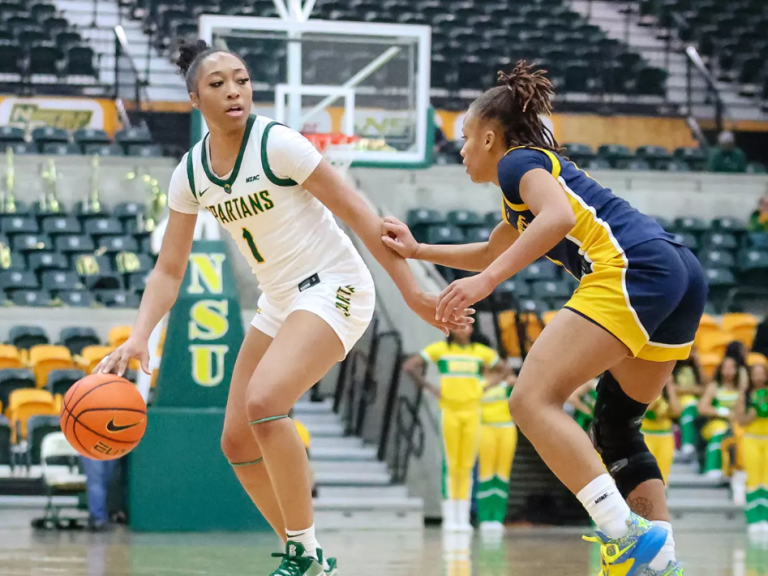
Former Norfolk State guard Da’Brya Clark has signed with UNC Charlotte, where she will play under head coach Tomekia Reed, the former Jackson State leader who built a powerhouse program in the SWAC.

Clark, a highly accomplished HBCU standout, brings a winning pedigree to Reed’s rebuilding effort with the 49ers.

Clark’s resume includes HBCU All-American honors, first-team All-MEAC recognition, and a selection to the MEAC All-Defensive Team. She was also a central figure in Norfolk State’s dominance, helping guide the Spartans to three MEAC Tournament championships during her career.

The Da’Brya Clark resume

Known for her defensive intensity and versatility, Clark emerged as one of the conference’s premier two-way players. Her ability to impact games on both ends of the floor made her a cornerstone of Norfolk State’s sustained success.

Now, she transitions to Charlotte, where Reed is looking to elevate the 49ers program by building it around players who understand a winning culture. Clark’s postseason experience and defensive presence align with the identity Reed established during her tenure at Jackson State.

During her time with the Spartans, Clark contributed to multiple NCAA Tournament appearances while solidifying her reputation as one of the MEAC’s most reliable performers.

Her move to Charlotte represents both a new challenge and an opportunity to compete at a higher level, as she joins a program led by one of the most respected coaches to emerge from the HBCU ranks.

Clark announced the signing on social media, expressing excitement for the next chapter of her career.

HBCU brings football games back to campus after an 80-year absence

Talladega
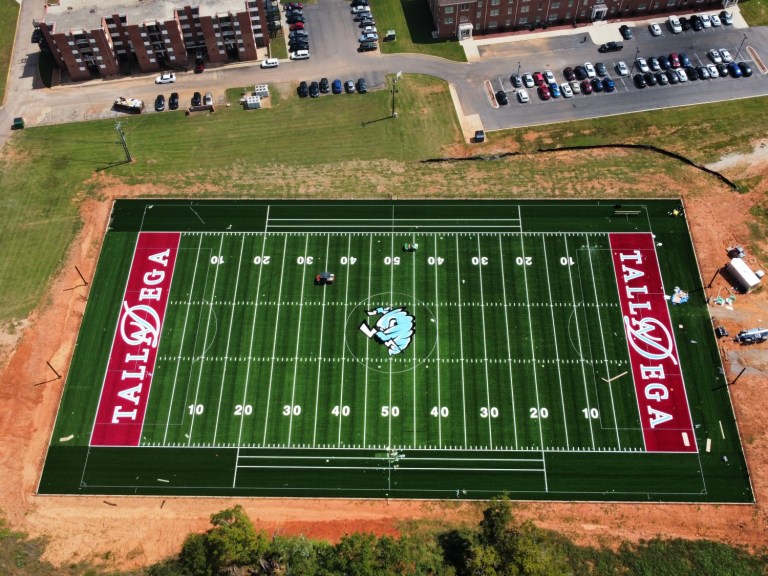
An HBCU that has not fielded a football team since World War II is bringing the sport back to campus.

Talladega College announced that it has entered into a partnership with Prep U. Collegiate, which will enroll the school’s students as Prep U. Collegiate students while they compete in a club football program.

The collaboration will also include select on-campus football games this fall, according to the school.

“This partnership represents much more than football,” Talladega President Willie L. Todd Jr. said. “Those students participating in this sport will also have the opportunity to experience our commitment to academic excellence.”

“This collaboration provides our student-athletes with a strong academic foundation and a meaningful collegiate experience both on and off the field,” added Prep U. Collegiate president.

The Tornadoes were Black College National Champions in 1921 and 1922, but discontinued the program during World War II.

Talladega College has explored football before

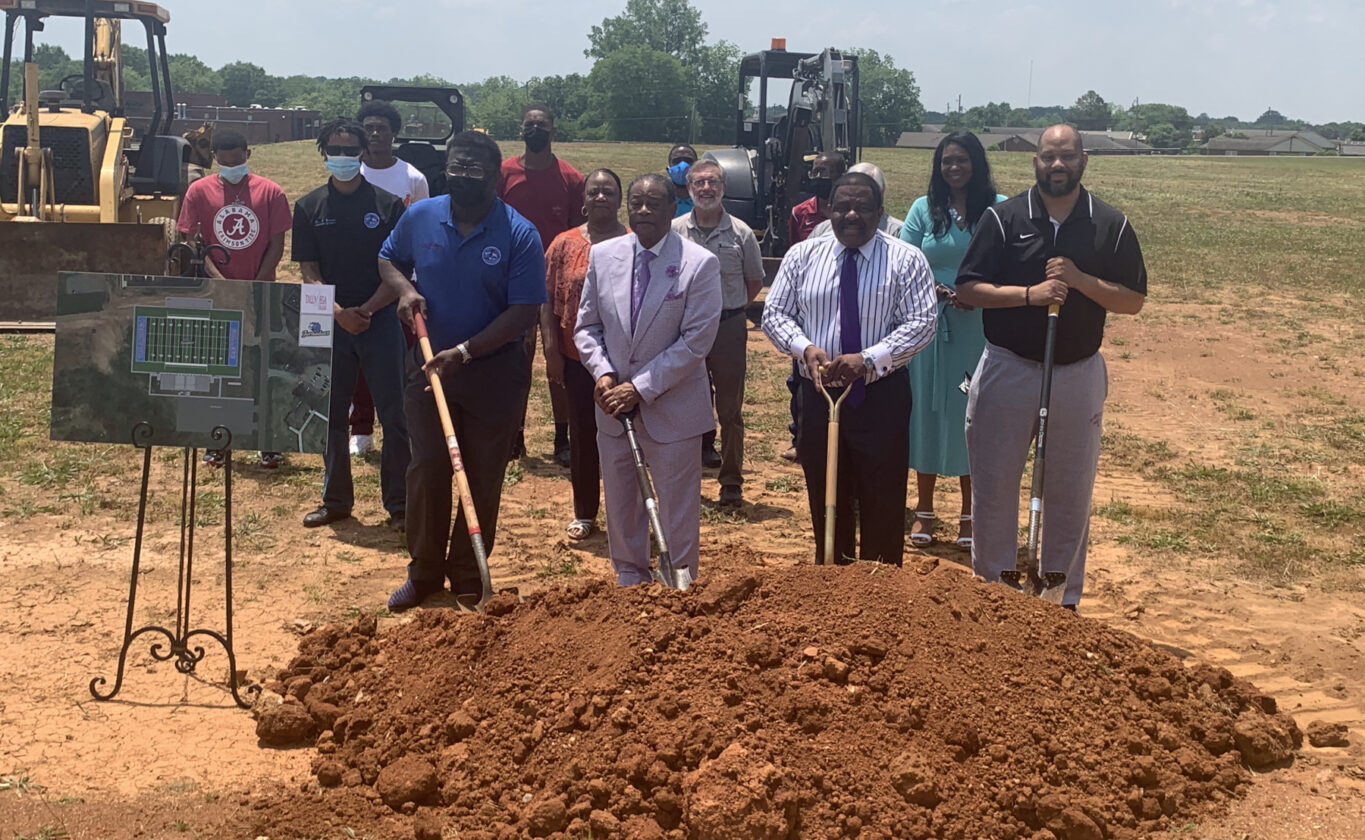
Talladega conducted a feasibility study in 2021 regarding bringing football back to campus, and according to the study, faculty and staff felt the sport would “increase student enrollment and retention; attract donations and sponsorships; and increase school pride.”

Photo: Talladega College

The school indicated at the time that an “overwhelming majority” of Talladega’s faculty and staff supported a football program.

Then athletics director Kevin Herod said football “would only enhance our athletic program and bring new opportunities to the campus, the community, and the overall collegiate experience for our students.”