
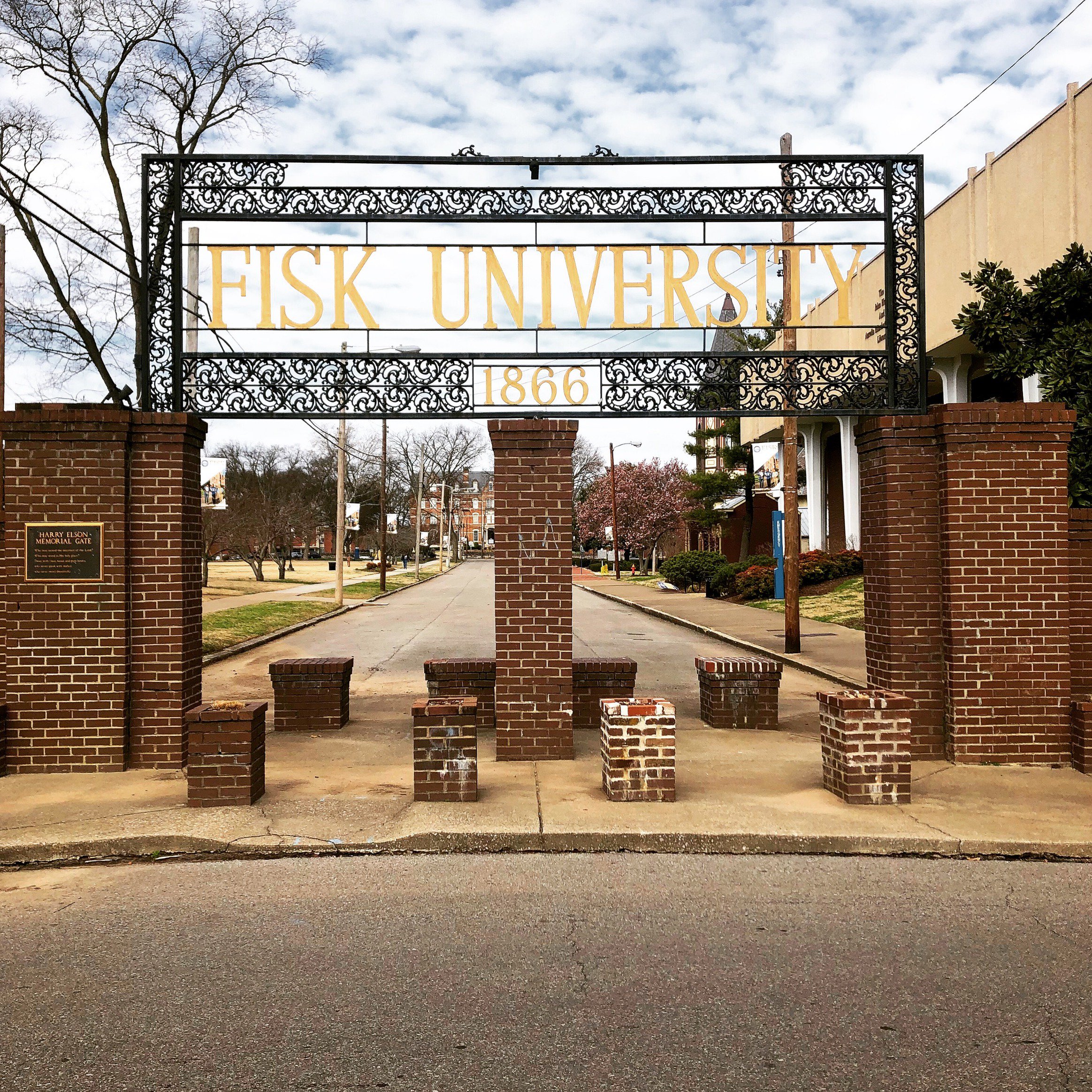
Fisk University is facing pushback over a proposed data center near its main campus.
On Wednesday, protesters opposed a proposed campus Innovation Center that would include a large data center, arguing that the project lacks transparency and could cause environmental harm to Black students at Fisk and Nashville residents.
The demonstration took place at the university gates as critics, including state Rep. Justin Jones, D-Nashville, called on Fisk to release more information about the plan, which is part of the school’s $1 billion Quantum Leap campus master plan.
Jones, a Fisk graduate, said the school should be guided by the legacy of John Lewis, another Fisk alum known for urging people to get into “good trouble.”
“We’re here to get in the way of a project that we know will be detrimental not only to our Fisk campus, but to the surrounding community,” Jones said at a press conference.
Data center ‘preying on our HBCU’
Jones said the proposed $400 million, 100,000-square-foot Innovation Center featuring a 30-megawatt data center would sit near public housing, a high school and Fisk student dormitories, and he argued that such facilities tend to land in Black, brown and low-income communities.
“If this project was so amazing, as they said, for universities, it would be at Vanderbilt,” Jones said. “But instead they’re coming to Fisk University, using this tactic of extraction and preying on our HBCU.”
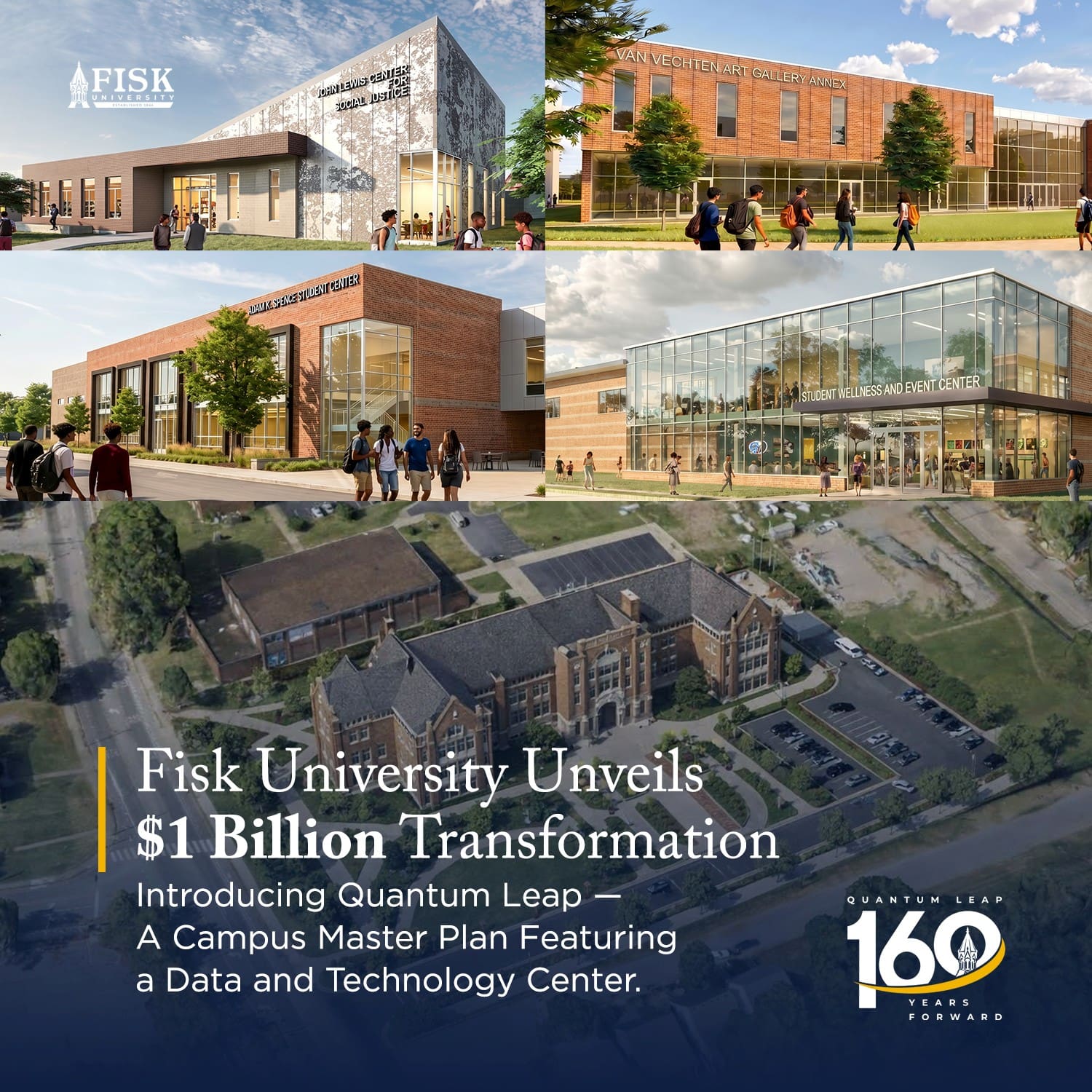
The project is part of Fisk’s broader Quantum Leap plan. University officials have described it as an innovation and technology center that would support academic growth and workforce development, but critics say the proposal is really a data center with a thin academic wrapper.
Winston Wellington Wright, a Fisk and Morehouse School of Medicine graduate who helped launch an online petition against the project, said the petition has already drawn more than 6,000 signatures.
“We are standing in a zip code that consistently ranks within the top three for the highest rates of asthma prevalence in emergency department-related visits across the city,” Wright said. “Data centers built for AI are threats to our public health and quality of life.”
In a passionate appeal, Fisk student Eriqua Martin said the university’s campus is “sacred ground” and should not be treated like available land for corporate development.
“This campus is not just property,” Martin said. “It is not raw acreage waiting to be leveraged.”
Martin said university leaders have promoted the project as progress, but she said the community sees it differently.
“True progress can never be bought at the expense of our people, our culture and our environment,” she said.
Timothy Hughes, president of the Nashville NAACP and chair of community engagement for the National Fisk University Alumni Association, said the concern is not anti-technology. He said the issue is whether Fisk can move forward responsibly while protecting neighbors and students.
“These conversations are not anti-technology,” Hughes said. “They are about ensuring the growth that occurs responsibly, transparently, and with meaningful public participation.”
Fisk says project will do ‘no harm’ to community
Other speakers echoed concerns about pollution, energy use, water demand and the burden on North Nashville’s infrastructure. Jared Harper, another Fisk graduate, said data centers can drive up utility costs and bring diesel pollution, while Karen Johnson, a longtime local elected official, said residents learned about the proposal through the media rather than through community meetings.
At the end of the event, organizers said they want a town hall, fuller disclosure about corporate partners and a community benefits agreement before the university moves forward.
Fisk officials have said the project is being developed under a “do no harm” philosophy, but opponents say they are still waiting for answers.
For now, the debate has become about more than a building. It is about who gets a say in the future of one of the nation’s oldest HBCUs — and whether North Nashville will once again bear the cost of someone else’s vision.