
The NCAA’s finding that four former Alabama State men’s basketball players accepted money from gamblers to help throw a game has put a spotlight on how easily college basketball can be compromised when money, access and vulnerability intersect.
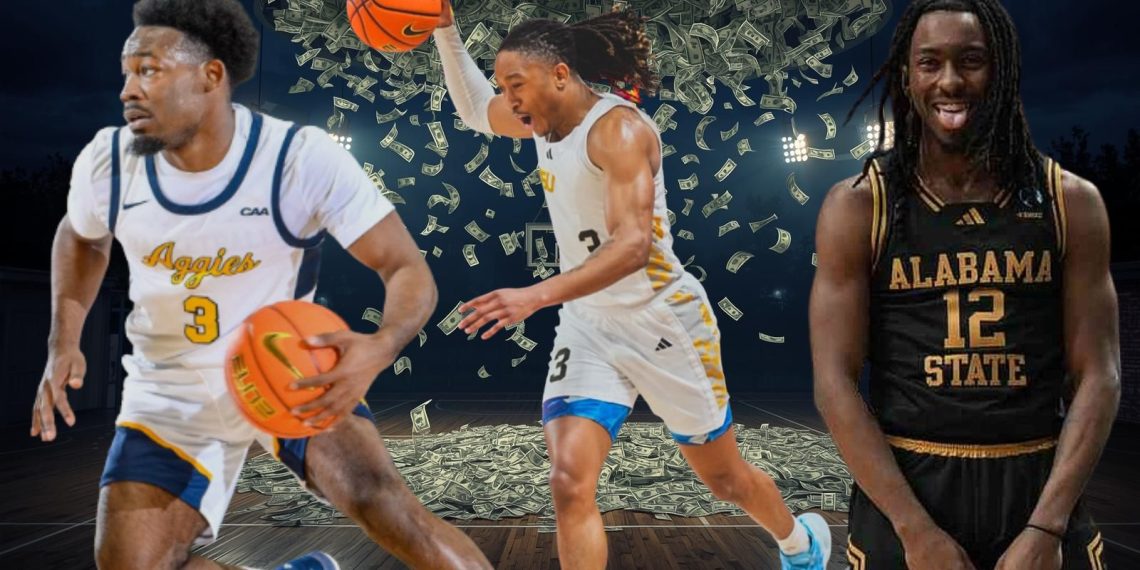
Four members of the Hornets’ 2024-25 roster — including NCAA tournament hero Amarr Knox — have been ruled permanently ineligible after they manipulated the outcome of a Dec. 5, 2024, game at Southern Miss. The Golden Eagles, a six-point favorite, won 81-64.
According to NCAA documents, Knox, Shawn Fulcher, Corey Hines and Tony Madlock agreed during a game-day call with bettors to throw the contest. The group received a total of $2,000 — roughly $500 per player — in exchange for influencing the result.
The case came to light months later, after Hines transferred to Temple and was contacted by the FBI about text messages linked to a sports-integrity investigation. Federal prosecutors in Pennsylvania have since indicted two bettors on wire fraud and bribery charges connected to the scheme.
But just how easy is it? And why might athletes — particularly those at smaller schools like Alabama State — fall trap to shady gamblers
It is easy to fix a sporting event
Yet to sports fixing expert and author Brian Tuohy, the Alabama State case is less an outlier and more a warning sign.
“I think it’s very easy to fix a game, especially in college sports,” Tuohy told HBCU Sports. “All you need is access — to a player, a coach, a referee — and a reason.”
Tuohy, who has studied match-fixing and point-shaving cases in the United States and globally, dating back decades, through FBI records, said the mechanics of manipulation are often far simpler than fans assume. It does not require a team to lose outright. In many cases, it involves subtly altering the margin — missing shots, committing turnovers, or allowing a deficit to grow beyond the betting lines, he said.
“A team expected to lose by 10 can lose by 15, and nobody looks twice,” he said. “That’s the kind of thing that flies under the radar.”
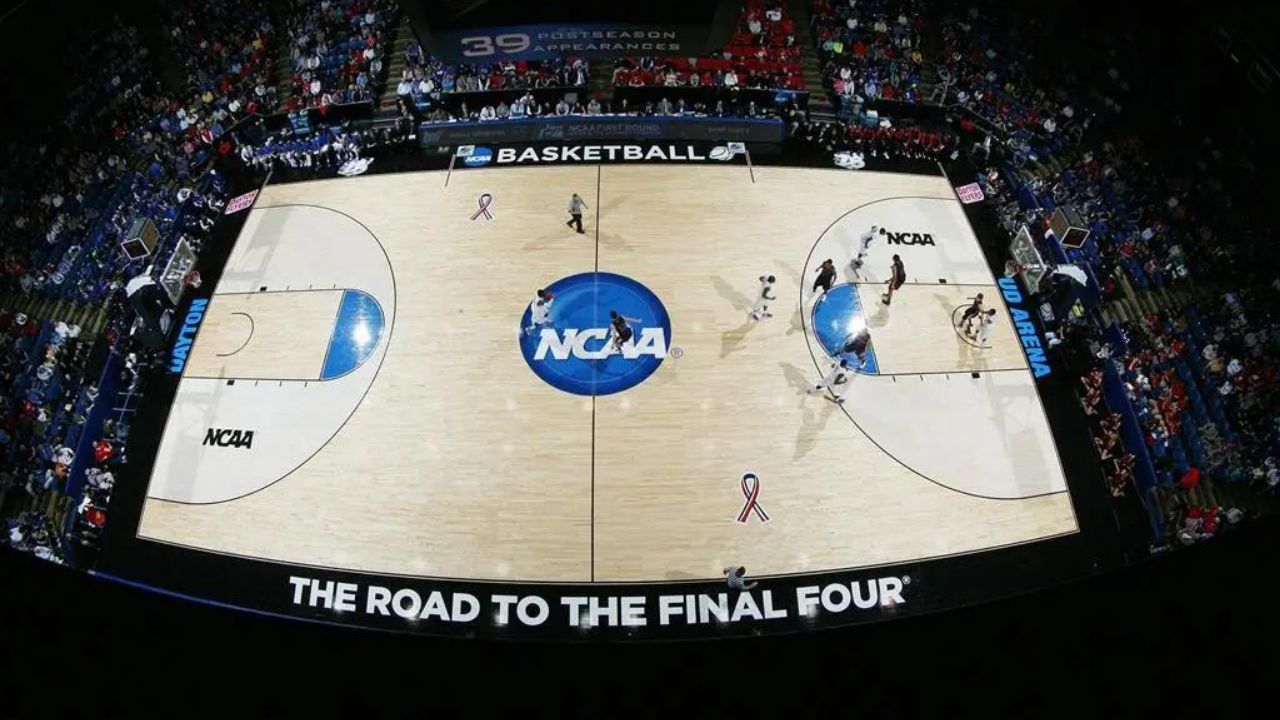
The NCAA’s own data suggests the vulnerability is real. In past anonymous surveys of thousands of athletes, roughly 2 to 3 percent reported being approached to influence games — a figure that could translate to hundreds of compromised contests across the college sports landscape.
Despite that, Tuohy argues the larger issue is a lack of consistent oversight.
“The organizations that should be looking for this — the NCAA, leagues, media, even law enforcement — historically haven’t made it a priority,” he said. “If nobody’s really searching for it, it becomes much easier to get away with.”
The NCAA has attempted intervention
The NCAA has expanded its efforts in recent years, monitoring more than 22,000 contests annually and reaching over 500,000 athletes, coaches and administrators through education programs, the collegiate governing body shared with HBCU Sports.
It has also partnered with sports integrity firms, increased social media monitoring, and advocated for restrictions on certain types of bets, including individual player props.
Still, the environment surrounding college athletics has shifted dramatically. A 2023 NCAA survey found 58 percent of young adults aged 18 to 22 had engaged in some form of sports betting, while men’s basketball players reported some of the highest levels of betting-related harassment and pressure.
At the same time, legalization and the rise of mobile betting apps have expanded access to everyone — and, potentially, opportunity to engage in illegal activity.

“Now you can place bets from anywhere, spread money across different states, and it becomes harder to detect unusual patterns,” Tuohy said. “There’s just so much money flowing through the system.”
For smaller programs like Alabama State, that combination can make them vulnerable. NCAA officials acknowledge that bad actors often target athletes at non–Power Four schools, where NIL opportunities may be limited, and games draw less scrutiny.
Basketball players at Coppin State, Mississippi Valley State and North Carolina A&T were also implicated in gambling-related charges by the NCAA.
Alabama State said in a statement it was made aware of the NCAA inquiry into the players’ activity in January. The university said in a statement it was not a party to the case and fully cooperated with the investigation.
“Alabama State University, its athletics program, and its personnel remain committed to integrity and compliance and will continue to operate with transparency,” the school said.
Game fixing is hiding in plain sight
That reality, Tuohy said, makes athletes vulnerable.
“Not every athlete is going to say yes,” he said. “But athletes are human. They face financial pressures, personal issues, and, in some cases, know their careers may not go beyond college. That can make them more susceptible.”
The Alabama State players’ case underscores that tension. For a relatively small payout, four athletes risked — and lost — their collegiate careers, while the integrity of a Division I game was called into question.
For fans, Tuohy believes the takeaway is uncomfortable but necessary.
“Game fixing isn’t just something that happens overseas or in the past,” he said. “It can happen here, and it likely has — more than people realize.”