
This article featuring Joseph Henderson is one in a series of features produced in partnership with the SWAC, exploring the history of the conference from its founding in 1920 to the present day. The series will run during the months of April and May.
What do former Olympians Jearl Miles Clark, Dannett Young, and Grace Jackson all have in common? At one time or another, they were all members of the Alabama A&M women’s track and field program.
That answer tends to surprise people. Alabama A&M sits in Huntsville, Alabama, a place the world associates with NASA engineers and space exploration, not world-class sprinters preparing for the Olympic stage.
Yet for roughly a decade, spanning the late 1980s into the early 1990s, that is exactly what happened on that campus. Three Olympians. Two countries represented. Multiple medals. Back-to-back national championships. All of it was built by one coach, with a fraction of the resources that schools with far bigger names took for granted.
Joseph Henderson: Building something from the ground up
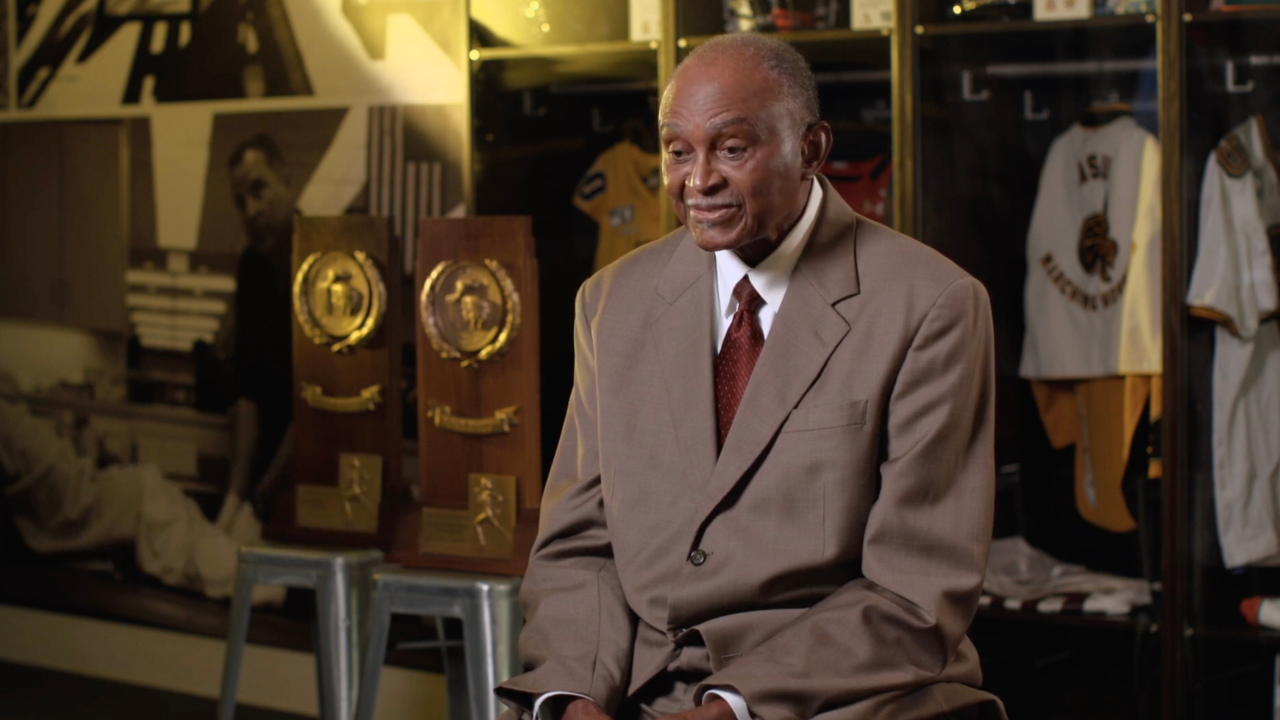
The architect of the AAMU women’s track and field program was head coach Joseph Henderson, and his most dangerous weapon was his eye for talent. While programs at larger Division I schools chased the same well-known athletes from established pipelines, Henderson was finding talent others had passed on.
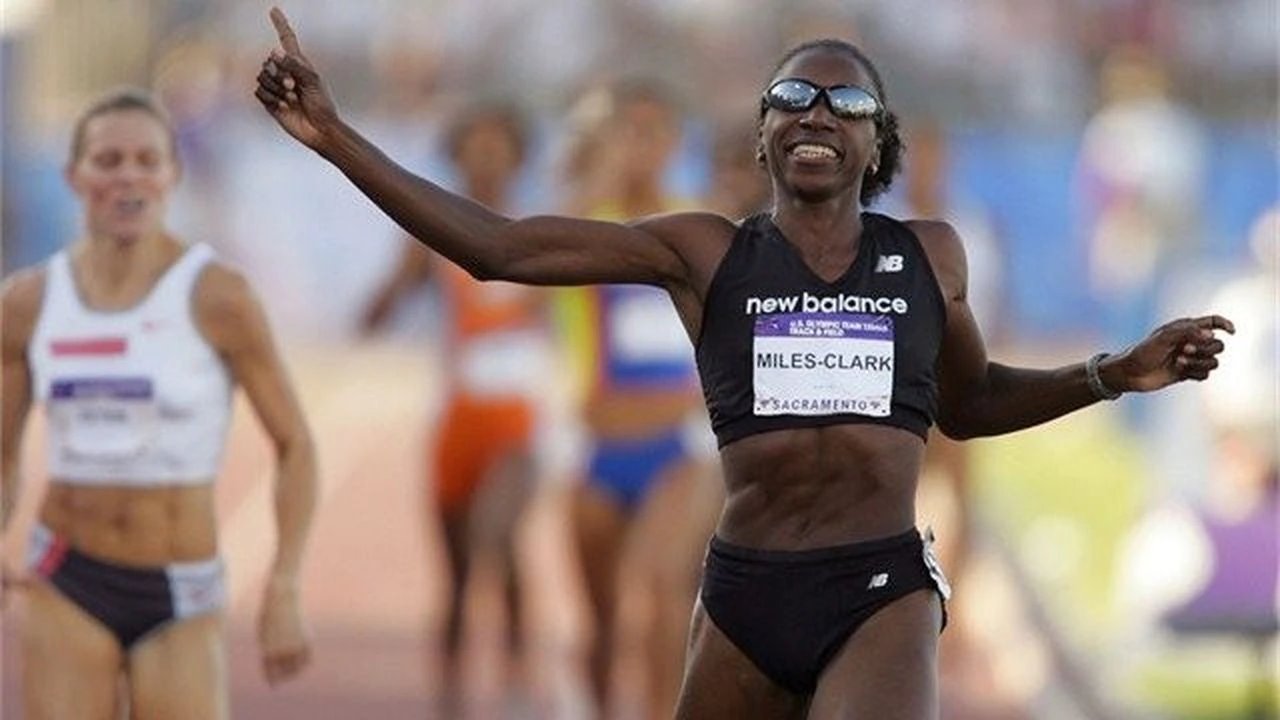
Jearl Miles Clark is the most documented example. She grew up outside of Gainesville, Florida, and had drawn attention as a high school long jumper. Henderson recruited her to Alabama A&M, where she developed into one of the most decorated athletes in the program’s history. By the time she graduated in 1989, the Bulldogs had never placed lower than third at the NCAA Division II national championships during her time on the team.
Grace Jackson came from even farther away. Born in St. Ann, Jamaica, she arrived on an athletic scholarship and developed into one of the fastest women on earth. Dannett Young, born in Jacksonville, Florida, became arguably the most dominant athlete in Division II track history, undefeated across four full years of SIAC competition and losing only one race in her entire collegiate career.
Henderson found them, developed them, and sent them into the world prepared.
1988 Olympics: Alabama A&M goes to Seoul
The 1988 Seoul Olympic Games were the first major public demonstration of what Henderson had been quietly building.
Dannett Young was on the U.S. team. She won gold as a member of the American 4×100 relay squad and that same year ran the fastest 200 meters in the world at 22.34 seconds.
Jackson was in Seoul as well, running for Jamaica. In the 200-meter final, she ran 21.72 seconds, which at the time was a Jamaican national record, and crossed the line directly behind Florence Griffith Joyner. Jackson won silver in what was arguably the fastest women’s 200-meter race run to that point. Two athletes from the same HBCU program, competing on the same Olympic track, in the same Games.
It remains one of the most remarkable convergences in HBCU track and field history.
The Championship Machine
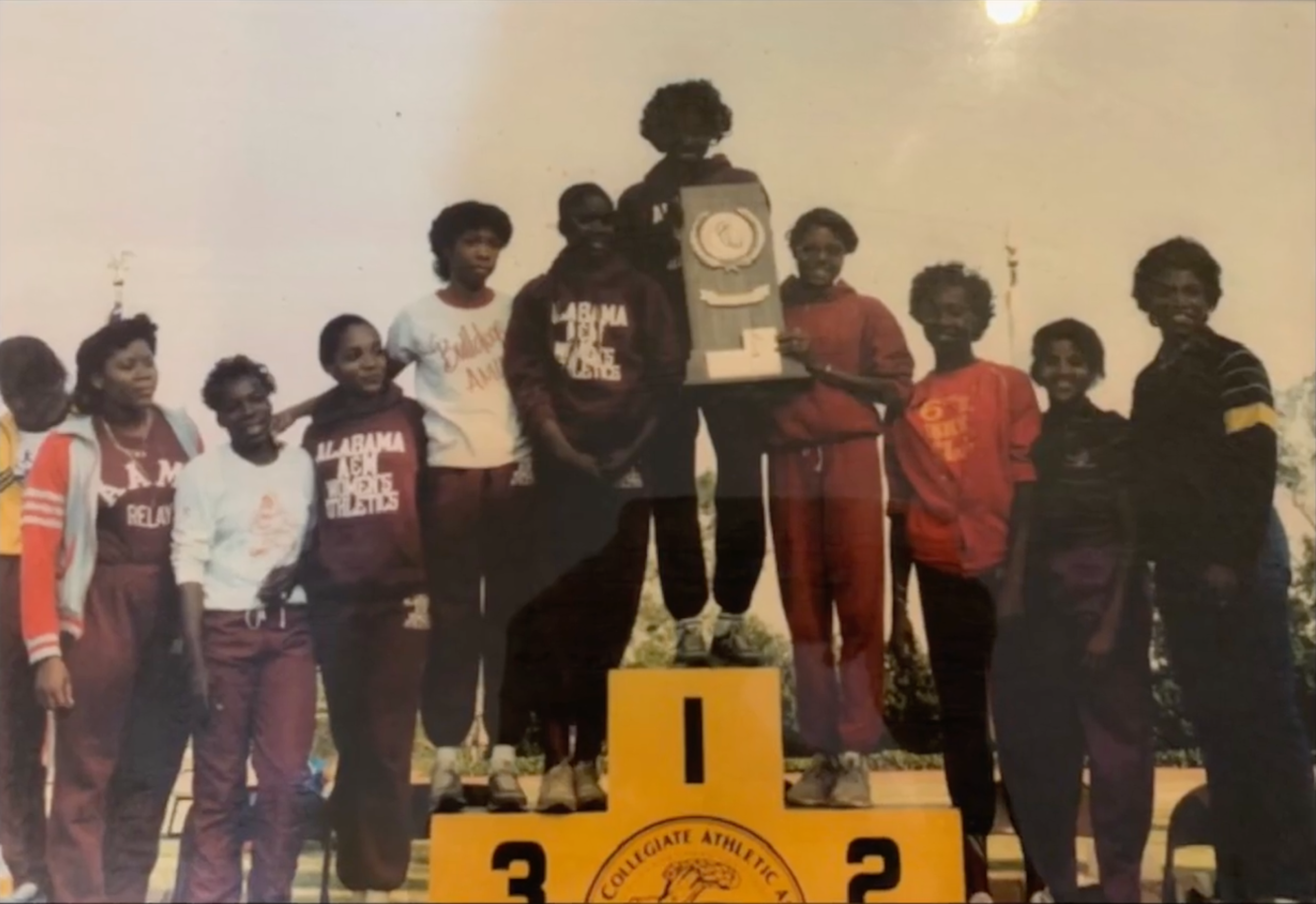
While the Olympic medals accumulated, Henderson was building a team program that dominated Division II in a manner that was almost unfair. Alabama A&M’s women’s track program won six consecutive SIAC championships from 1990 through 1995. In 1992, the program claimed the NCAA Division II outdoor national title by 47 points over Cal State Los Angeles.
In 1993, AAMU entered the final event, the 4×400 relay, holding a two-point lead over Abilene Christian. Shelly Beckford ran the anchor leg and pulled away to give the Bulldogs their second straight title, 92 points to 80. That 1993 team was inducted into the SIAC Hall of Fame in 2023, thirty years after the fact, a recognition long overdue.
Henderson himself described what separated that group from other teams he had coached. “They were determined to win,” he said. “They had to do three jobs. They had to come in the top five in three events. They fought hard. I never had to get on them about their work. Anytime I got to the track, everything changed with them. They wanted to win, and when you get that deep down inside to win, that beats anything else you can put on the table.”
The program also won the NCAA Division II indoor national championship in 1992, completing a sweep of the season that confirmed Alabama A&M’s women were on a different level.
The Olympics Pipeline Continues
Jearl Miles Clark’s career became the longest expression of what Henderson started. After leaving Alabama A&M in 1989, she competed in four Olympic Games, winning silver in the 4×400 relay at the 1992 Barcelona Games, then gold at both the 1996 Atlanta Games and the 2000 Sydney Games.
At the World Championships, she accumulated nine medals, including the individual 400 meters gold in 1993. She was named World Indoor Champion in the 400 meters in 1997 and was inducted into the National Track and Field Hall of Fame in 2010. She later described Alabama A&M as a place where she had a chance to grow up and not get lost.
What It Meant
Joseph Henderson did not have the recruiting budget that major D1 programs do. But he had Huntsville, Alabama, a deep understanding of what sprinters could become with proper development, and the ability to find talent other coaches had already decided was not worth their time.
What he built produced an Olympic gold medalist, an Olympic silver medalist, a four-time Olympian with three relay medals, and back-to-back national championships, all out of a program that most of the country never gave a second thought.