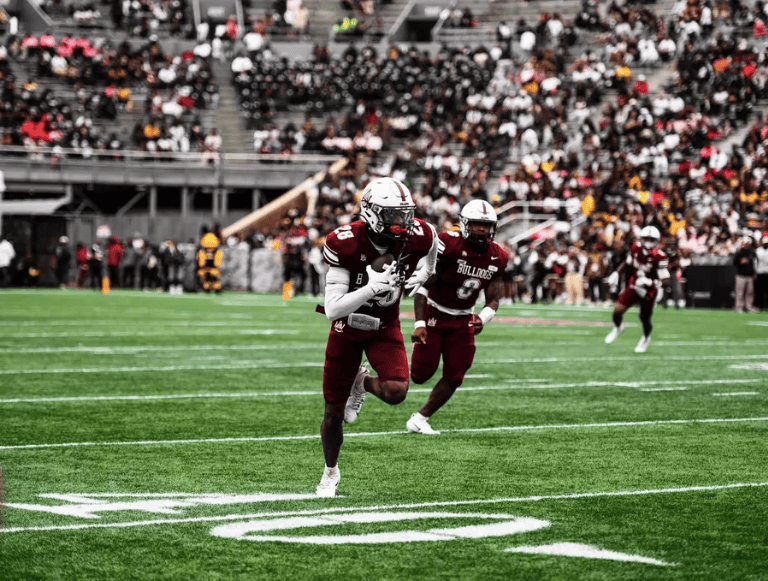

The decline in blue chip athletes has left black colleges behind in generating revenue, landing lucrative TV contracts and winning national championships.
But one person — a brave, forward-thinking soul — believes that HBCUs can be competitive by doing what no other group of universities legally can do.
Paying the athletes.
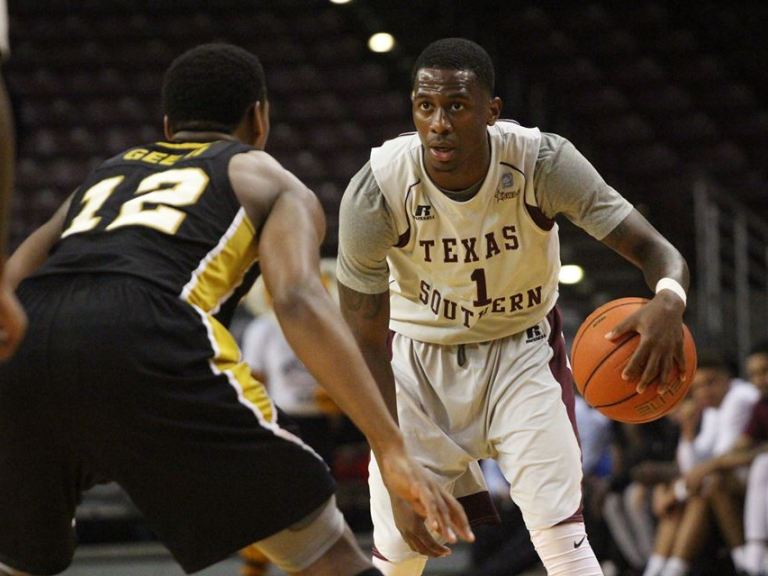
Longtime critic of the NCAA and San Francisco-based economist Andy Schwarz suggests that an HBCU-exclusive basketball league can be formed with the idea of compensating the America’s best young basketball players.
Here is how the business model would work, Schwarz told VICE Sports.
The way Schwarz and his HBCU league co-founders—Ohio–based sports and entertainment attorney Richard Volante and Washington, D.C.–based author and historian Bijan Bayne—see it, the NCAA is a bit like a traditional taxi company, while their concept is akin to Uber or Lyft. The league would consist of at least 16 members drawn from the four current NCAA Division I and II HBCU conferences, institutions such as Howard University and Florida A&M; its athletes would be full-time students.
They also would be paid to play basketball, between $50,000 and $100,000 a year. Moreover, they would be allowed to endorse products, sell autographs, sign with agents, accept gifts from boosters, declare for the NBA draft, and even be drafted by NBA teams without losing their eligibility.
Schwarz says the proposed league also would dovetail with the HBCU mission to serve and support the African-American community. Currently, amateurism in major college sports functions as a de facto racial wealth transfer, redistributing what I estimate to be $2.2 billion annually from black football and men’s basketball players to predominantly white administrators, coaches, and non-revenue sport athletes. Permitting athlete pay would begin to balance the ledger.
“And if this league takes off, this is an opportunity for people to be general managers, to work at all different levels of a sports enterprise,” Schwarz told VICE. “So it’s not just black coaches being involved, it’s a lot of staffing in a league that’s based within the HBCU community and doesn’t have the impediments we sometimes see to African-Americans getting those jobs.”
This might be just crazy enough to work for HBCUs that have been searching for so long to replicate it’s past glory and influence in college sports.