

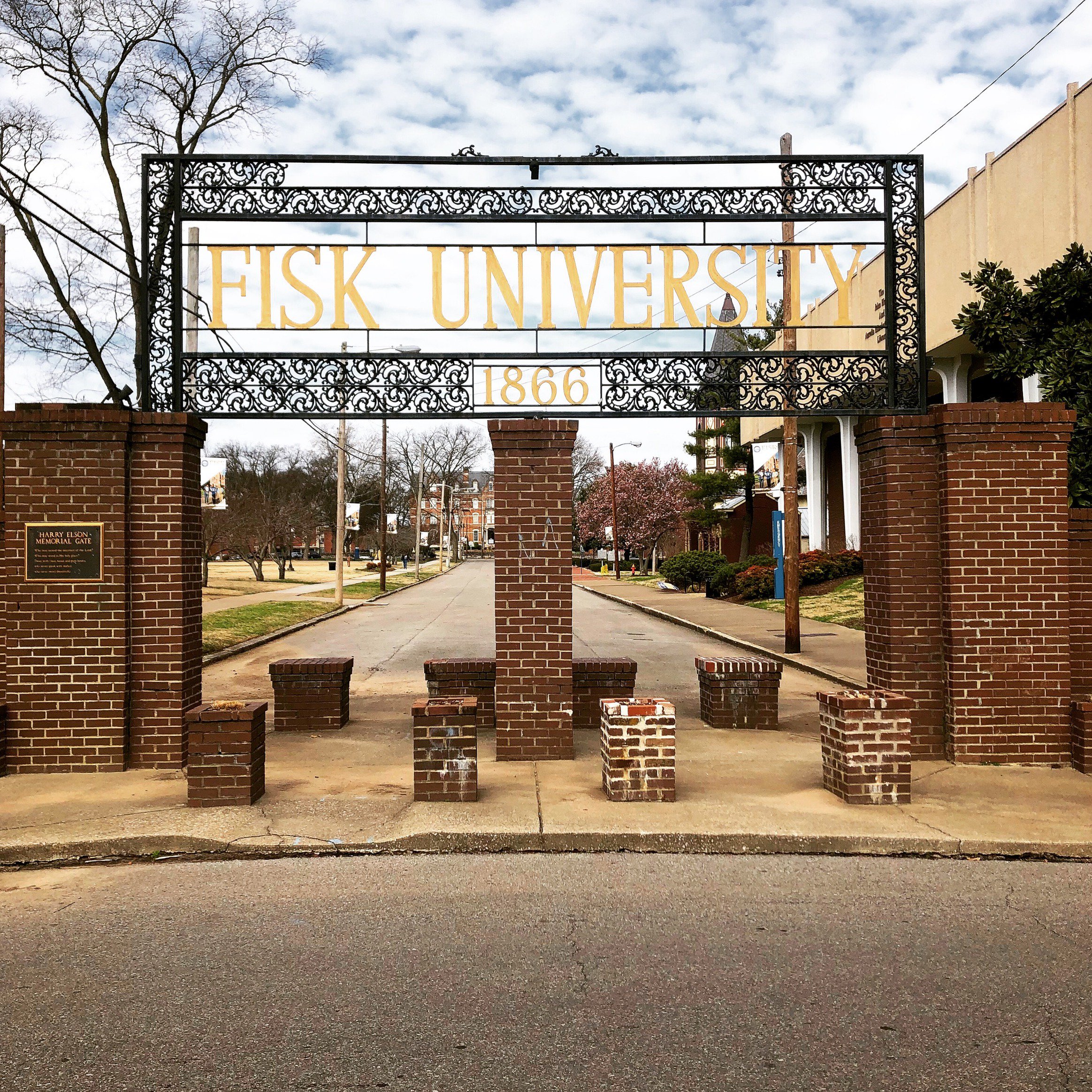
Fisk University is thinking big — and planning even bigger.
In a historic move, the university has unveiled “Quantum Leap,” the most ambitious campus master plan in its 160-year history.
Over the next decade and beyond, Fisk plans to invest an estimated $1 billion into revitalizing its campus, marking the largest single investment an HBCU has ever seen. The vision is clear: modernize infrastructure, expand academic resources, and elevate the overall student experience without losing the historic character that defines Fisk, according to the plan posted on the school’s website.
“This is about honoring our legacy while building for the future,” Fisk University President Dr. Agenia W. Clark said in a statement. “For more than 160 years, Fisk has shaped some of the nation’s brightest minds. Quantum Leap ensures we continue that tradition — but at an even greater scale.”
The plan itself is sweeping in scope. Students can expect upgraded residence halls, a newly developed Fisk Arena, a state-of-the-art student center, and enhanced parking and learning environments. Academic spaces will also see major improvements, including expanded facilities tied to the John Lewis Center for Social Justice and the Carl Van Vechten Art Gallery.
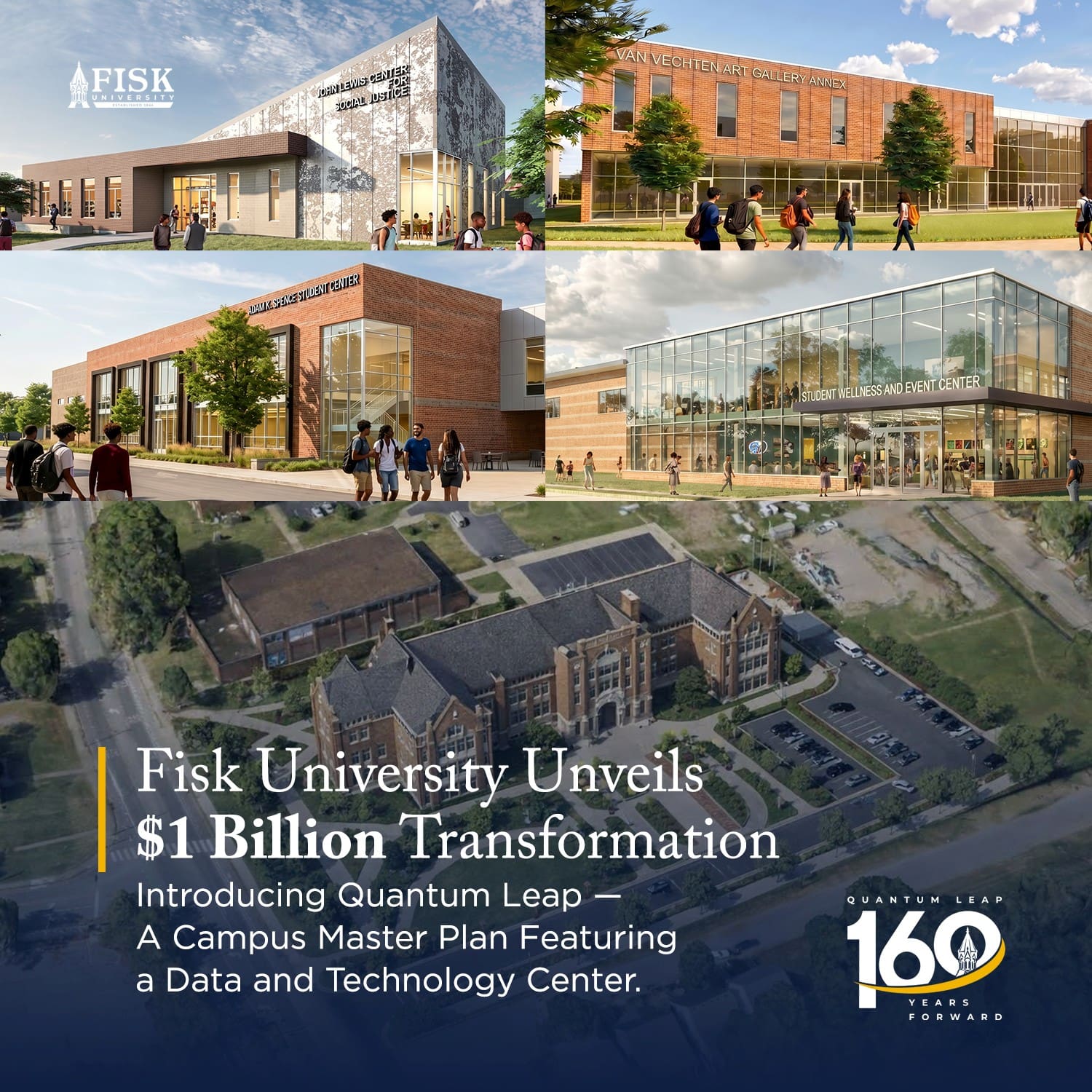
Crown jewel of Fisk University project
But perhaps the centerpiece of the entire initiative is the planned $400 million Innovation Center.
Set to rise on five undeveloped acres at the southern end of campus, the 100,000-square-foot facility will serve as a hub for cutting-edge research.
Of that space, 30,000 square feet will be dedicated to academic use, while the remaining 70,000 square feet will house advanced technology infrastructure designed to support both new and existing programs, the plan said.
The facility will incorporate eco-friendly systems aimed at reducing energy and water consumption while lowering greenhouse gas emissions. It also aims to serve as a bridge between Fisk and the broader North Nashville community, offering educational and economic opportunities beyond campus borders.
Fisk Provost Dr. Brian L. Nelms emphasized that the initiative is as much about redefining education as it is about expanding facilities.
“Quantum Leap allows us to revolutionize how we teach and prepare students,” Nelms said. “With access to advanced technology and modern learning environments, Fisk students will gain the tools they need to thrive in today’s workforce — and tomorrow’s.”
The plan itself was shaped by input from across the Fisk community, including students, faculty, alumni, and board members.
Over the next 10 years or more, Quantum Leap is expected to unfold in phases, steadily reshaping the campus while strengthening Fisk’s role as a leader in higher education and innovation.