

HBCU homecomings have always been events of great interest in our communities and even among those outside them. They represent a good time for current students and a blissful trip down memory lane for alumni.
Unfortunately, outside activity involving people with no affiliation to these institutions can put HBCUs under the microscope.
Saturday night in Tallahassee, Florida, a mass shooting occurred outside Florida A&M’s Bragg Memorial Stadium, just two weeks after a shooting that killed a man in Dover during Delaware State’s homecoming.
The old saying, “If it bleeds, it leads,” has stuck with me ever since I heard it in my first journalism school class 25 years ago. It bothers me that we have yet to move beyond the sensationalism that drives so much of today’s news coverage.
The News Journal, Delaware’s largest newspaper, chose to run a photo of Delaware State’s University Village residence hall alongside its coverage of the shooting, even though the incident occurred across Route 13 at the Dover Commons shopping center.
That careless choice of imagery opened the door to the usual negative and bigoted commentary about DSU and Black community events across social media.
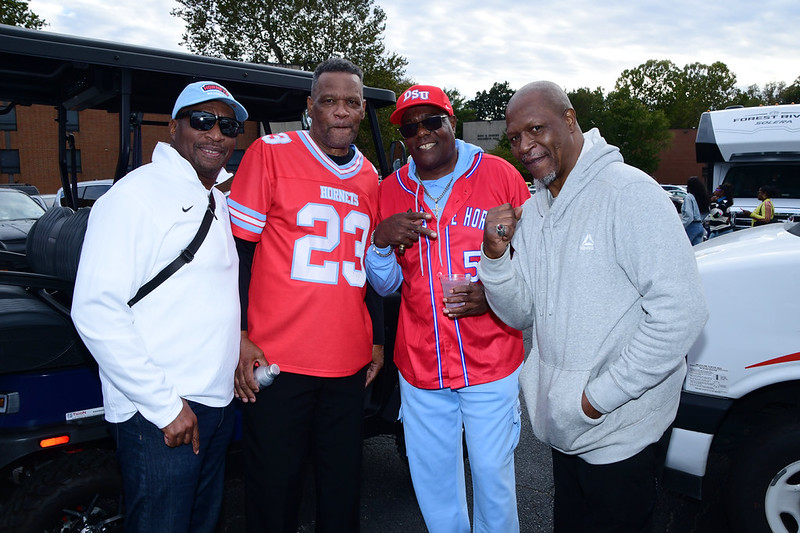
Regardless of the proximity of the Tallahassee shooting to FAMU’s stadium, framing HBCU homecomings as inherently violent is reckless. It gives bad-faith actors ammunition to spread harmful narratives about HBCUs and the communities they serve.
To counteract this, HBCUs may have to restrict public access to certain events for safety reasons. It is unfortunate that it has come to this, but protecting these spaces may require difficult decisions.
Every school’s first responsibility is the safety of its students, staff and alumni. It is clear that these groups are not the ones bringing trouble to homecomings or other campus events.
You cannot satisfy people and entities that have already made up their minds about anything associated with Black communities. Still, it is far better to deal with complaints about additional security measures and restricted access than to confront the tragedies we have witnessed this month.
Addressing legitimate safety concerns is necessary, but that should not come at the expense of unfairly branding an entire institution or its homecoming as violent because of the actions of individuals.
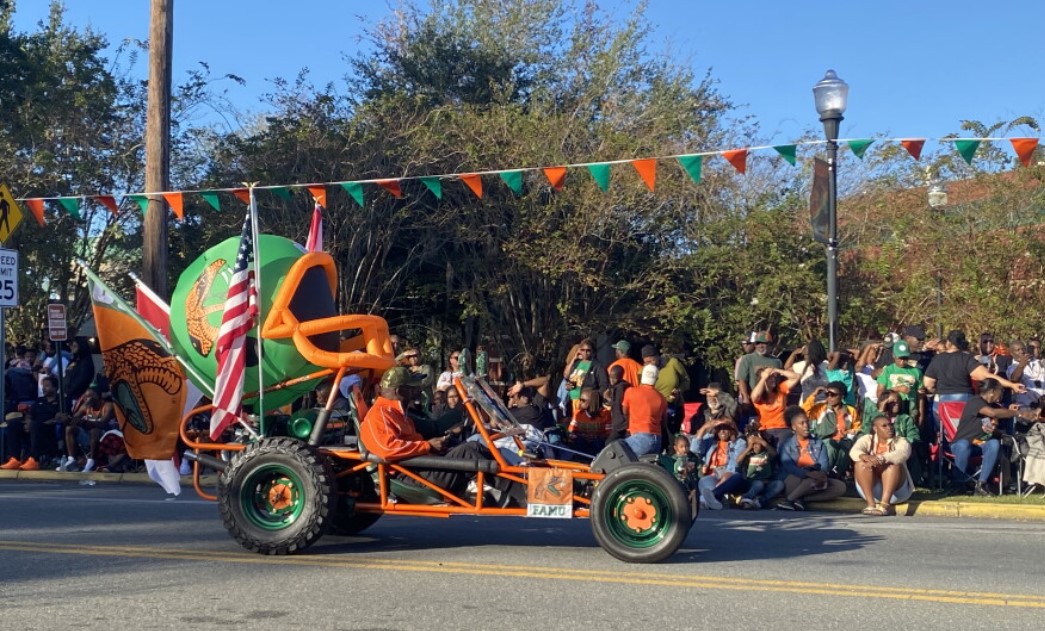
HBCUs are sacred spaces, and we should treat them as such. There is no room for outsiders who have no legitimate reason to be on our campuses and may have harmful intentions toward our schools, our children and our elders.
At a time when joy should be the prevailing sentiment, the sorrow of Black people being injured or losing their lives overshadows the good that comes from HBCU homecomings.
It is time for our schools and communities to reclaim our safe spaces and events from those who do not know how to conduct themselves and seem intent on causing pain rather than contributing to the joy we all deserve to experience.