HBCU basketball championship tournament kicks off today. How to watch

BOWIE
The Black College Invitational Championship is back for its second year, and the event is continuing to grow into a postseason showcase for Division II HBCU basketball.

Founded by Dr. Wes Bellamy, the BCIC was created to give Historically Black Colleges and Universities a dedicated championship stage while also celebrating the pride, tradition and legacy that define Black colleges.

What teams are in the BCIC field?

The 2026 field features elite men’s and women’s programs from NCAA Division I and Division II, representing the  HBCU conferences.

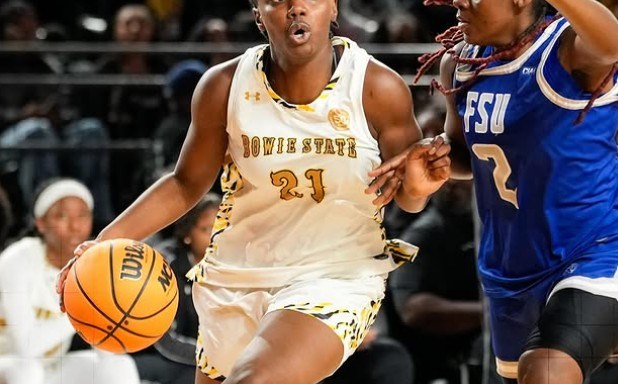
On the men’s side, Bluefield State, Central State, Virginia State and Edward Waters will compete for the title of Black College Basketball Champion. The women’s bracket includes Virginia State, Benedict College, Bowie State and Central State.

When are the games and how to watch?

The women’s bracket games will feature Virginia State playing Benedict College at noon on Friday, followed by Bowie State versus Central State at 2 p.m.

The men’s bracket features Bluefield State vs. Central State at 6 p.m. and Virginia State versus Edward Waters at 8 p.m.

The women’s championship game will be played at noon on Saturday, and the men’s title game tips off at 3 p.m.

All games will be hosted at the VSU Multi-Purpose Center and televised on HBCU GO.

What else will happen at the tournament?

Beyond the competition, the BCIC is designed as a celebration of HBCU culture. The event includes an Education Day, a Yard Fest and BCIC Battle Zone Finale.


The championship also gives back financially to participating institutions. A portion of tournament proceeds will support scholarships, academic programs, athletic departments and other campus initiatives aimed at strengthening the schools involved.

With its second-year momentum building, the Black College Invitational Championship is emerging as more than a postseason event. It is becoming a platform that blends competition, culture and community in a way that reflects the mission and impact of HBCUs.
HBCU baseball to played among the CIAA again

Screenshot 2026 03 27 165349
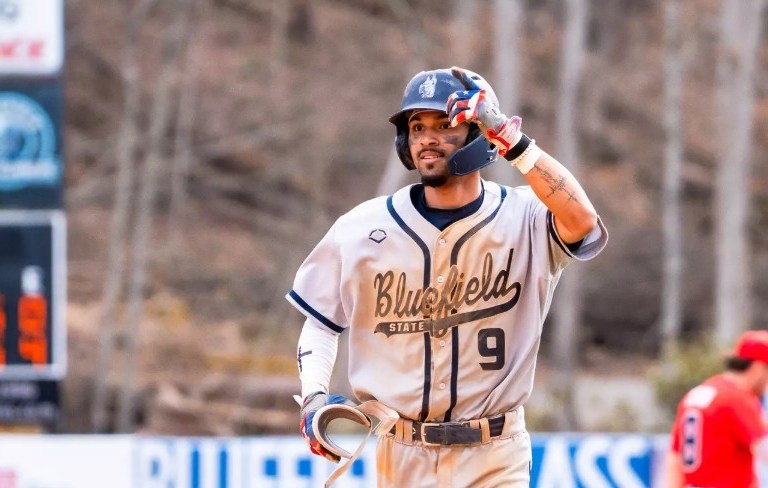
Though the Central Intercollegiate Athletic Association does not officially sponsor baseball as a conference sport, Virginia State University will host the 2026 CIAA Baseball Series Championship.

The invitational, four-team event from May 5-8 features the host Trojans alongside Bluefield State University, Lincoln University of Pennsylvania, and Claflin University.

Reviving baseball in CIAA

Designed to foster competition among CIAA-member institutions and affiliates with baseball programs, the series continues the conference’s tradition of collaboration and athletic camaraderie beyond officially sanctioned sports.

Participation in the championship will be contingent upon postseason qualification. Any team advancing to its own conference tournament will not compete in the event.

Where ex-CIAA teams play

Claflin University competes in the Peach Belt Conference, Lincoln University of Pennsylvania belongs to the Central Atlantic Collegiate Conference, Bluefield State competes as an independent institution, and Virginia State represents the United States Collegiate Athletic Association.

The CIAA, which last sponsored baseball in 2017, has been without the sport for eight years, leaving a void for student-athletes and supporters of Historically Black Colleges and Universities who have long called for its return.

Photo: WSSU athletics

The conference’s Board of Directors, meeting last year in Charlotte, North Carolina, approved a plan to support the sport’s growth and stability as part of a broader strategy to strengthen the CIAA’s future.

The absence of baseball was primarily due to financial constraints and shifting institutional priorities, which forced some programs to compete as independents or join other conferences.\

While some member schools—such as Bowie State, Elizabeth City State, Fayetteville State, Johnson C. Smith, Livingstone College, Saint Augustine’s, Shaw, Virginia Union, and Winston-Salem State—currently do not sponsor baseball, conference officials are optimistic that renewed interest and institutional support will help expand participation in the coming years.

HBCU athletic director shares concerns about “competitive imbalance” in NIL era

Screenshot 2026 03 26 181319
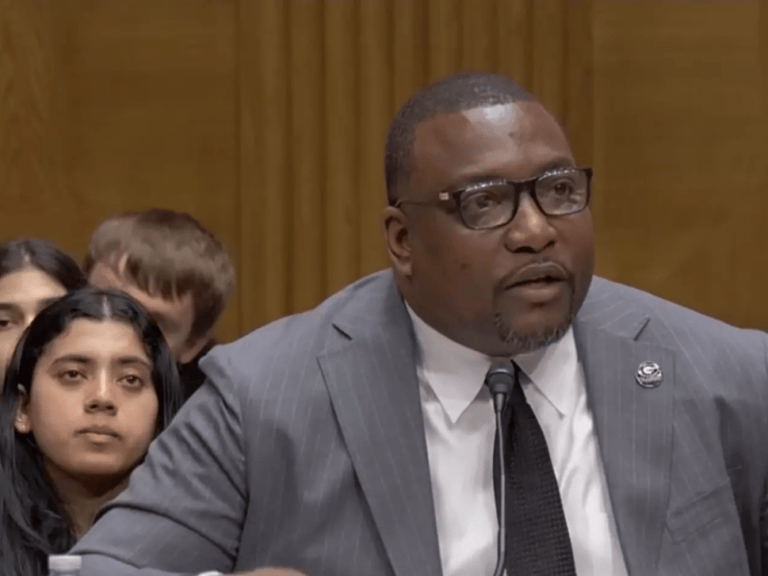
Grambling athletic director Trayvean Scott warned lawmakers Thursday that without meaningful reform, the future of college athletics could leave smaller schools and their athletes behind.

Testifying before the Senate Health, Education, Labor, and Pensions Committee, Scott said a growing imbalance in resources and influence has already reshaped the landscape of college sports.

Speaking during a hearing titled “Don’t Fumble Their Future: Positioning Student-Athletes for Success in School and Beyond,” he invoked a warning from legendary Grambling coach Eddie Robinson.

“The tail is about to wag the dog,” Scott said, quoting Robinson’s 1984 congressional testimony. “Today, that imbalance has fully materialized.”

Scott told lawmakers that power, exposure and financial resources are increasingly concentrated among a small group of institutions, leaving programs like Grambling State University struggling to remain competitive and relevant.

“We are operating in a system where competitive balance is no longer a shared expectation,” Scott said. “The challenge is no longer just winning games but maintaining relevance and sustaining opportunity.”

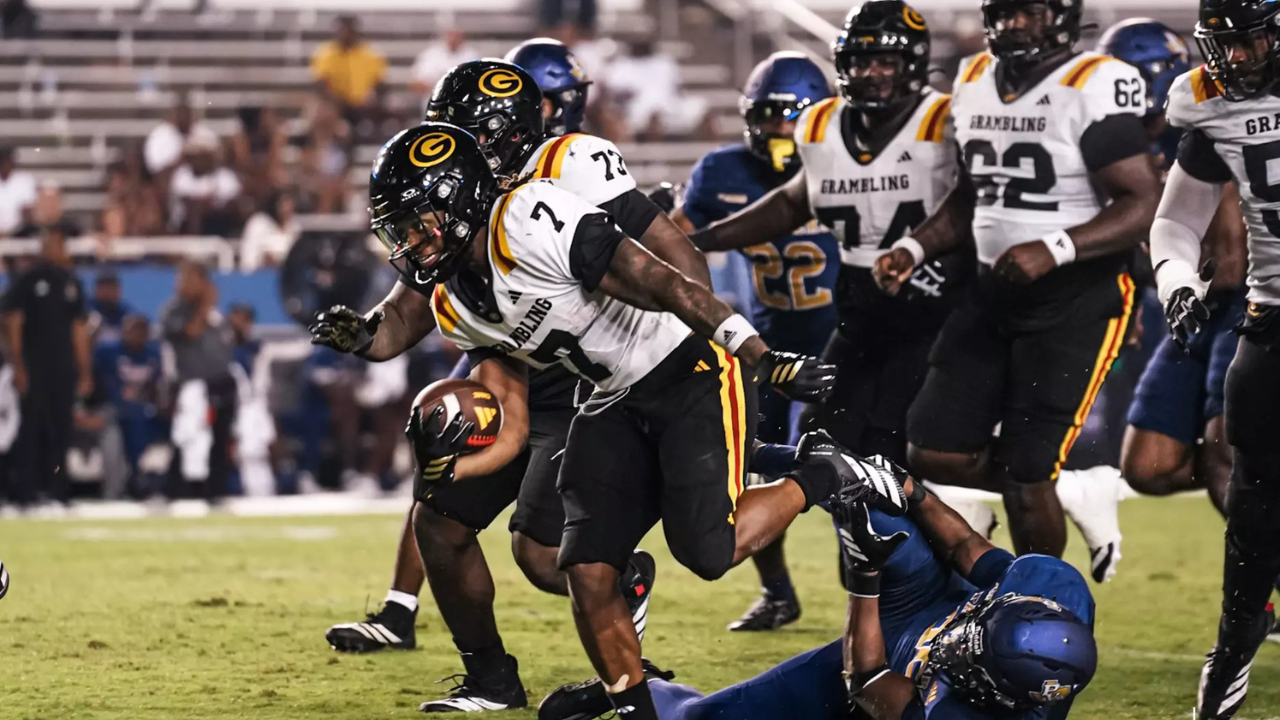
Grambling vs. Prairie View
Photo: Grambling Athletics

Drawing on his experience as a former Division I athlete at a lower-resourced school, Scott described a widening divide affecting recruiting, retention, facilities and competitive outcomes across college athletics.

At the center of his testimony was a call to preserve the educational mission of college sports. Scott said shifting policies surrounding name, image and likeness compensation, transfer rules and eligibility have created instability that disproportionately affects under-resourced programs.

He warned that extended eligibility and changing roster dynamics are reducing opportunities for incoming athletes, particularly those from underserved communities.

“Fewer scholarships. Fewer roster spots. Fewer chances,” he said.

Small schools are at a crossroads

Scott also raised concerns about the rapidly expanding NIL marketplace, arguing that the lack of consistent national regulation leaves many athletes vulnerable.

“Student-athletes are left to navigate agreements that carry real financial and legal consequences,” he explained.

Scott voiced cautious support for the proposed Student Compensation and Opportunity through Rights and Endorsements Act, describing it as a step toward establishing a national framework for NIL activity, though not a complete solution.

Trayvean Scott
Photo: Grambling State University

He urged lawmakers to go further, addressing competitive imbalance, governance instability and the need to protect academics in college sports.

“If the system becomes dominated by compensation structures, legal disputes and external pressures, education risks becoming secondary,” Scott said.

A demand for equal opportunity in era of NIL

Scott also emphasized the importance of maintaining gender equity under Title IX as NIL opportunities continue to expand.

He framed the current moment as a crossroads for college athletics, calling for deliberate action from policymakers.

“The question is whether we will shape it with intention, grounded in equity, guided by structure and anchored in education, or whether we will continue to react to it as it reshapes the system around us,” he said.

Closing his testimony, Scott reflected on his own experience and the opportunities college sports provided.

“I would not be sitting in this room today without collegiate sports opening the door for me,” he said. “And I want that door to remain open for the next generation.”

Why attending an HBCU might be good for Black students mental health

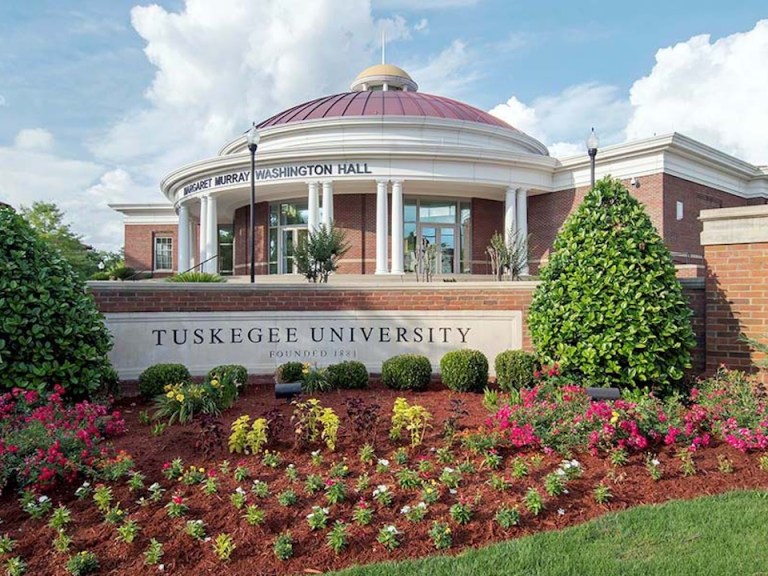
Tuskegee1
Attending an HBCU may provide long-term positive mental health benefits for Black Americans, according to new research.

The study, published last month in JAMA Network Open, examined data from 1,978 Black adults who attended college between 1940 and 1980.

Researchers found that Black adults who attended an HBCU had better memory and cognitive functioning by age 62 compared to peers who attended predominantly white institutions, according to The Guardian.

“This suggests that culturally affirming college environments may have lasting effects on brain health,” Dr. Marilyn Thomas, the study’s lead author and an assistant professor of medicine at the University of California, San Francisco, told The Guardian.

What was the study’s methodology?

Thomas’s team analyzed how exposure to “state-sanctioned racialized education policies” during formative years influenced long-term outcomes.

The study, conducted with co-authors from Rutgers, Alabama–Birmingham, Columbia, Boston University, and Harvard, examined differences between students who attended college during segregation and those who came after its end.

Thomas found that HBCU attendees often had meaningful early life support systems. They were more likely to have mothers or female caregivers with college experience and to report receiving affection during childhood.

“Those early experiences, combined with the nurturing and affirming culture at HBCUs, may contribute to a lifetime of resilience,” Thomas said.

Her earlier research has traced how chronic exposure to racism can lead to worse health outcomes, from hypertension to accelerated aging. Education, she noted, can help buffer those effects.

What HBCU study means

Unlike many cognitive health studies that focus on years of schooling, this one centered on the environment itself — asking whether any time spent at an HBCU influences brain health decades later.

Photo: South Carolina State University

“Our question was, ‘Is any exposure to an HBCU going to have a later-life impact on your cognition?’” Thomas said. “And the answer was yes.”

Thomas described the study as exploratory but emphasized that it contributes to a growing body of evidence suggesting culturally affirming educational spaces can have lifelong benefits.

“What’s powerful about this finding is that the benefits of attending an HBCU last well beyond graduation,” she said. “These are adults in their 60s, and we’re still seeing the positive effects.”

Many historically Black colleges and universities have reported significant increases, and some have achieved a record number of enrolled students, according to The Journal of Blacks in Higher Education.

HBCU coach named a finalist for Division II Coach of the Year award

Screen Shot 2026 03 26 At 10143 AM
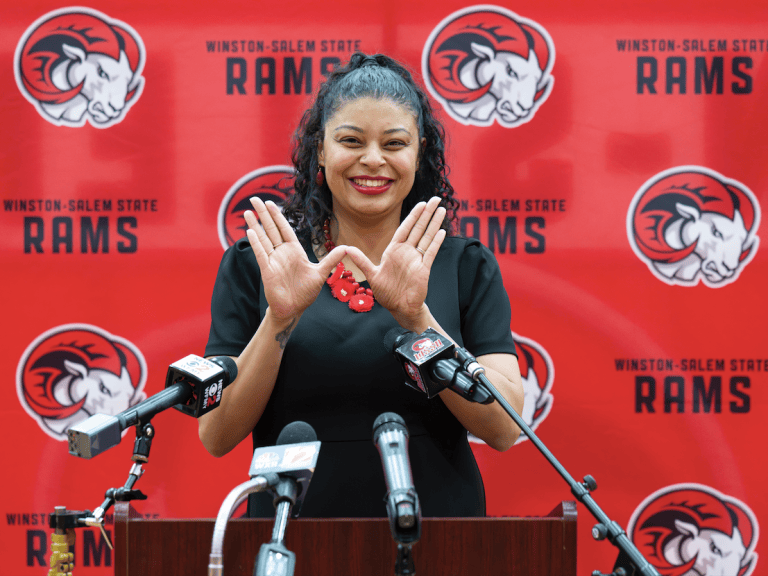
Following what was a historic season for the Winston-Salem State women’s basketball team, head coach Tierra Terry has been recognized among many nominees for a prestigious award.

Coach Terry has been named a finalist for the NCAA Division II Coach of the Year by the Women’s Basketball Coaches Association (WBCA).

Should she win, she would become just the second HBCU coach to win the award in its 43-year history, joining 1991 honoree and Norfolk State coach James Sweat.

Tierra Terry turned around her alma mater

In her first season at the helm at WSSU, Coach Terry was hired to take over as head coach of her alma mater after four seasons at Virginia Union.

She led the team to a 23-3 regular-season record, setting a new program record for wins and claimed a share of the CIAA South Division title.


The Lady Rams then went on to win their first CIAA tournament championship in school history, beating Fayetteville State to halt their attempt at a three-peat.

Making their first NCAA Division II National Tournament appearance in school history, WSSU advanced to the Regional Final after blowout wins over Glenville State and Gannon in the first two rounds.

By season’s end, Winston-Salem State finished with a 28-4 overall record, marking a 21-win improvement over its total from the previous year.

HBCU cheer squad makes history at national championship competition

KNOCKED DOWN 38
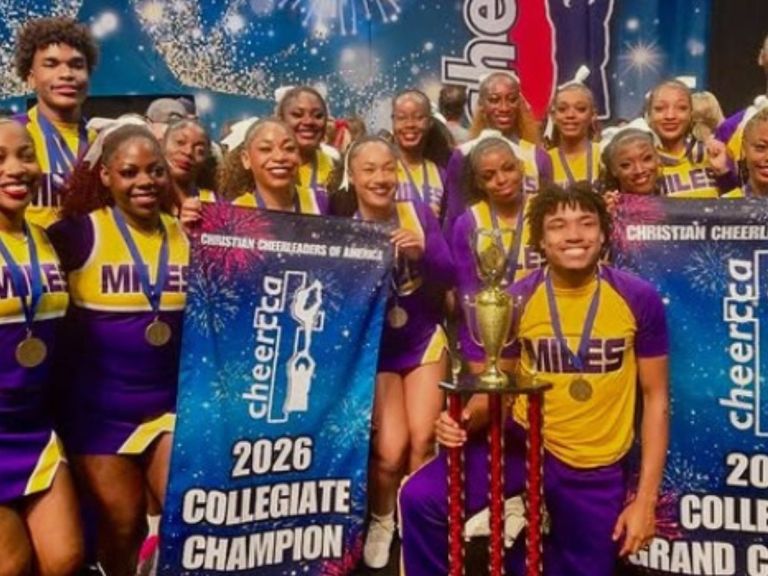
Miles College’s cheer team etched its name in history books, becoming the first HBCU to claim both Overall Grand Champion and College Coed Game Time Championship titles at the CCA Christian Cheer Nationals on March 7 in Fayetteville, North Carolina.

The Golden Bears’ double victory marked just the second time an HBCU squad competed at the event, and their first national appearance in over 20 years.

Head coach Le’Andrea Anderson-Tolbert covered registration fees out of pocket when funding fell short, sparking a community drive that raised over $10,000 through donations and grassroots support, according to AL.com.

Practicing in makeshift spaces without full stunts, the team overcame limited facilities to deliver a high-energy routine blending HBCU flair with precision that captivated judges.


View this post on Instagram


A post shared by @milescollege

“This whole competition season… was about what we’re doing for our community and showcasing what smaller HBCUs can bring,” Anderson-Tolbert said to AL.com.

The triumph elevates Miles College athletics while inspiring smaller HBCU programs nationwide to chase national stages.

NFL to hold new draft prospect showcase for HBCU football players

KNOCKED DOWN 37
The NFL is expanding the spotlight on HBCU and international talent.

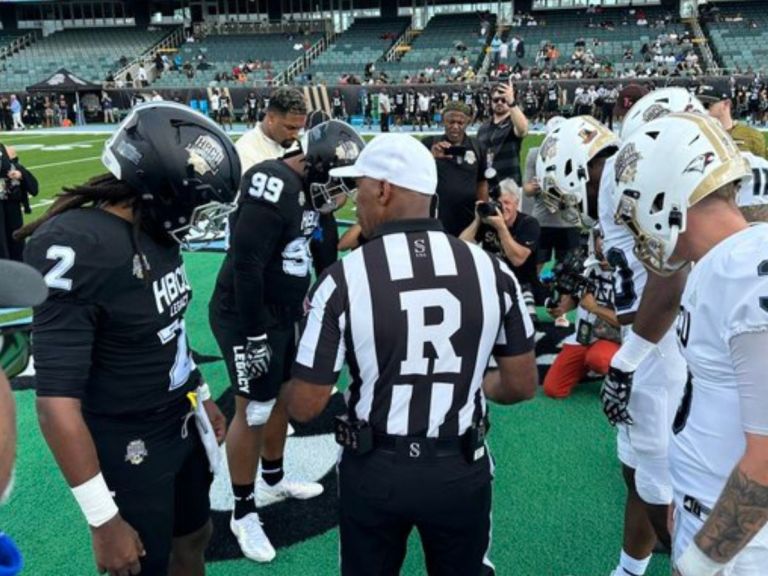
The league announced participants for the 2026 HBCU Showcase and International Player Pathway (IPP) Pro Day, a three-day evaluation event set for March 28–30 in Ashburn, Virginia.

Held in partnership with the Black College Football Hall of Fame and NFL International, the showcase and pro day will bring top draft-eligible HBCU prospects and global athletes in front of scouts and executives from across the league, according to the NFL website.

The on-field workouts are scheduled for March 30 at the Washington Commanders’ BigBear.ai Performance Center at Commanders Park, with offensive prospects beginning at 8 a.m. ET and defensive players and specialists following at 10:45 a.m.

Which HBCU players are invited to the NFL showcase?

Among the HBCU invitees are quarterback William Atkins (South Carolina State), offensive tackle Charles Davis and tackle Ashton Grable (both Florida A&M), edge rusher Quincy Ivory (Jackson State), defensive lineman Bryce Cage (Grambling), and wide receiver Jordan Smith (South Carolina State), part of a list that spans the MEAC, SWAC, SIAC, CIAA and independent HBCU programs.

Photo: Jackson State Athletics

In all, 47 HBCU players were selected for the showcase, ranging from skill positions like running backs Kevon King (Norfolk State) and Jacorian Sewell (Alcorn State) to linemen such as Korion Sharpe (North Carolina A&T) and James Stewart (Tennessee State).

All NFL clubs are expected to attend in full, giving HBCU prospects and IPP players a crucial stage to improve their draft stock or earn free-agent opportunities.

Why does the pro day matter?

The league’s partnership with the Black College Football Hall of Fame is designed to deepen its pipeline from HBCUs to the NFL, building on recent efforts that include the HBCU Combine and Legacy Bowl tie-ins.

The 2026 NFL HBCU Showcase offers critical exposure for HBCU players just weeks before the April draft.

Invite-only selection signals elite status among draft-eligible HBCU talent, letting standouts perform for executives and scouts.

Erick Hunter, Morgan State, HBCU Legacy Bowl
Photo: Morgan State Athletics

Players can boost draft stock, secure priority free-agent invites, or land rookie contracts—key for HBCU athletes often overlooked versus Power 4 competition.

Morgan State’s Erick Hunter, a MEAC star with 298 career tackles, called it a “premier stage” toward the NFL after earning All-American nods.

2026 HBCU Showcase Participants

Player Position College
Travaunta Abner TE Alabama A&M
Curtis Allen RB Virginia Union
William Atkins QB South Carolina State
Noah Bodden QB Edward Waters
Andrew Brown K North Carolina A&T
Bryce Cage DL Grambling
Desmond Daniels T Alabama State
Donerio Davenport RB Jackson State
Charles Davis T Florida A&M
Carlos Dunovant DB Morehouse
Charles George LB Texas Southern
Ckelby Givens DE Southern
Ashton Grable T Florida A&M
Kevon Gregory DB Virginia Lynchburg
Aaron Harris DB North Carolina A&T
Johnny Harris DB Bethune-Cookman
Walker Harris QB North Carolina Central
Erick Hunter LB Morgan State
Quincy Ivory DE Jackson State
Jamal Jones DL Bowie State
Kevon King RB Norfolk State
Makai Lovett WR Edward Waters
Michael Lunz DE South Carolina State
Noah Miles DE Howard
JaCobian Morgan QB Jackson State
Deontre Morris DB Alabama State
Chris Mosley RB North Carolina Central
Bruno Onwuazor T Virginia State
Tymetrius Patterson LB Benedict
Jadarrius Perkins DB Delaware State
Cameron Peters QB Prairie View A&M
Deandre Proctor WR Johnson C. Smith
Reid Pulliam LB Jackson State
Travor Randle DB Prairie View A&M
Tony Rountree DT Savannah State
Jahmal Sam DB Benedict
Jacorian Sewell RB Alcorn State
Korion Sharpe G North Carolina A&T
Cameron Smith G Alabama State
Jordan Smith WR South Carolina State
Chauncey Spikes WR North Carolina Central
James Stewart DE Tennessee State
D’Andre Townes-Blue G Jackson State
Jonathan Ward LS Hampton
Jarod Washington DB South Carolina State
Antwone Watts DB Bethune-Cookman
Ronnie West WR Clark Atlanta
Jeremiah Williams DT Jackson State

Delaware State men’s basketball’s leading scorer enters transfer portal

Screenshot 2026 03 25 203500
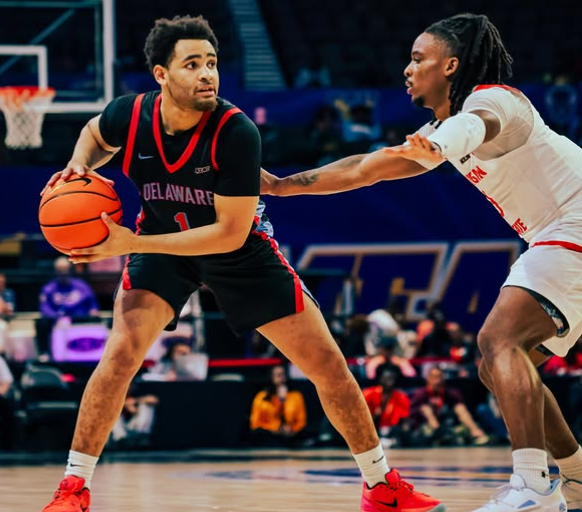
The Delaware State men’s basketball team is losing their leading scorer to the transfer portal.

Sophomore guard Ponce James, an All-MEAC second team selection this past season, is entering the portal, according to a report by Sam Kayser of League Ready.

James, a 5-foot-11 guard from Bridgeport, Connecticut, averaged 13.7 points per game for Delaware State this season, including four games of 20 points or more.

James was also the only Hornet to average double figure scoring for the season. He was a pre-season First-Team All-MEAC selection heading into the season.

HBCU football coaches promise epic Orange Blossom Classic duel

KNOCKED DOWN 35 Scaled 1
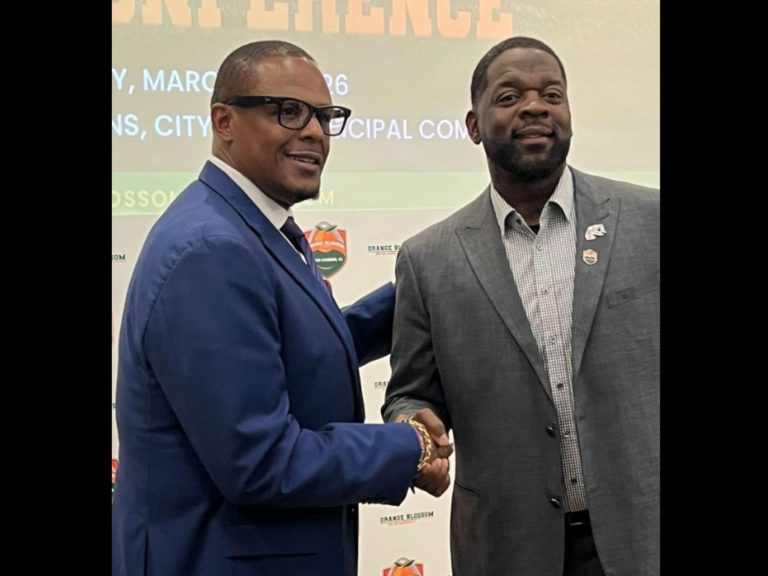
Chennis Berry and Quinn Gray Sr. wanted fans to understand that Labor Day weekend will be full of excitement during the latest installment of the Orange Blossom Classic.

Florida A&M Rattlers will face HBCU national champion South Carolina State in Week 2 on Sunday, Sept. 6, at Hard Rock Stadium in Miami Gardens.

Gray, a FAMU quarterback and then Rattlers assistant, embraced the challenge of leading the program back to prominence as head coach.

“Absolutely. I mean, obviously, with this being a classic, that we’ve always been a part of having that sense of pride and making sure that we continue with the legacy of winning the classic,” Gray said on Wednesday. “You play football games, they keep score because it’s about winning and losing, right? So we want to make sure that we continue to put our best foot forward, compete at a high level, and try to make sure that we come out victorious at the end of the day.”

Florida A&M lost in last season’s classic 10-9 to Howard University en route to a disappointing 5-7 season.

Expectations for Bulldogs, Rattlers

Gray kicked off: “It’s all about discipline. You know, everybody’s got talent… but it has to be a determining factor… And if I can add in another layer, we’re going to be physical.”

Berry doubled down on SC State’s blueprint fresh off a national title.

“Smart, fast, and physical,” he said of the Bulldogs’ approach. “For us, it’s about going 1 and 0. So that’s really the deal in our program… Every game is a big game. Why? Because it’s the next game.”

Florida A&M will have an early measuring stick test

The Rattlers have all the optimism that spring practices bring. Hope. A renewed purpose of what’s to come with a new coaching staff and players on board.

Competing against a team that ran the MEAC table for the second straight year and went on to win the Celebration Bowl will provide candid insight into where the program is.

Photo: Celebration Bowl/Facebook

“I’m excited to see where we will be against the defending national champions,” Gray said. “You want to make sure you’re playing quality opponents so you can measure up to figure out where you are as a program.”


Could an HBCU coach be considered the next head coach at an SEC school?

Dt
Dawn Thornton has quietly built a resume that is getting louder by the season, and it now has her squarely in the conversation as an SEC school looks for a new women’s basketball coach.

Alabama is in the process of trying to replace Kristy Curry after she took the South Florida job.

In an article by Gadsden Times reporter Maxwell Donaldson, Thornton was one of nine names suggested to be the next Crimson Tide coach.

The Alabama A&M head coach has turned the Bulldogs into a SWAC power in just two years, making her an intriguing option as the Crimson Tide evaluates candidates with proven program-building chops.

In only her second season in Huntsville, Thornton guided Alabama A&M to a regular-season conference championship and the No. 1 seed in the SWAC Tournament, a benchmark that underscored how quickly she has elevated the program.

The Bulldogs’ 42-20 mark over those two seasons reflects both consistency and growth, with Alabama A&M stacking wins while positioning itself as a yearly threat in league play.

Photo: Alabama A&M University

Thornton’s tenure has included a program-best 18-game winning streak and a push toward the school’s first NCAA Tournament bid, achievements that have drawn attention well beyond the conference. Her success also delivered one of the best two-year stretches in the program’s Division I era, reinforcing her reputation as a coach who can maximize talent and momentum.

Track record across the SWAC

Before arriving at Alabama A&M, Thornton built her reputation across multiple HBCU stops, with head-coaching experience at Arkansas-Pine Bluff, Prairie View A&M and Shorter. That path has given her deep familiarity with the southern footprint and recruiting base, as well as a track record of navigating the challenges that come with rebuilding and sustaining smaller programs.

Her cumulative work in the league has pushed her past the 100-win mark in conference play and SWAC Coach of the Year, a sign of both staying power and adaptability across different rosters and institutional settings.

That kind of longevity and success within one region is likely to appeal to any Power 4 athletic director looking for a coach who understands the Southeast’s recruiting landscape and talent pipeline.

Why Alabama would look her way

Curry’s departure for South Florida after 13 seasons and 244 wins at Alabama leaves a sizable void, but it also opens the door for a fresh voice with a track record of overachieving.

As Alabama surveys candidates, Thornton’s ability to win big without Power 4 resources serves as a compelling proof of concept for what she might do with the SEC’s platform and budget.


View this post on Instagram


A post shared by Alabama A&M WBB (@aamuwbb)


Her résumé checks several boxes that typically matter in a search of this magnitude: head-coaching experience, recent success, ties to the region and evidence of player development in systems that have produced both wins and postseason opportunities.

For a program that has been a regular in the NCAA Tournament in recent years, the prospect of pairing that existing foundation with a hungry, ascending coach like Thornton is the kind of scenario that keeps a candidate firmly on the short list