


The NCAA tournament is about to get bigger.
More teams. More sites. More First Four games.
According to Yahoo Sports college reporter Ross Dellenger, “the NCAA is expected to finalize an expansion of the men’s and women’s tournaments to 76 teams.”
Though the NCAA hasn’t finalized an agreement, all signs point to it happening.
So, what does that mean for HBCUs?
Likely nothing will change.
Despite the impressive March Madness runs of Howard and Prairie View on the men’s side and Southern in the women’s field, the MEAC and SWAC will still be one-bid leagues unless the strength of those conferences improves dramatically.
That’s because the entire motivation of tournament expansion is to get more Power Four and select high mid-majors in.
You know, the bubble teams like Auburn, Oklahoma, and Indiana, which all had losing conference records in the SEC and Big Ten, respectively.
Under the new format, they all would have been included, not, for example, SWAC men’s regular season champions Bethune-Cookman or women’s winner Alabama A&M.
Why the extra spots may not help
The biggest issue is selection bias. Multiple reports say the expansion would create more at-large opportunities and move some teams into a larger opening-round setup, which tends to favor the power conference teams.
HBCU teams generally do not have the same volume of Quad 1 wins or the same margin for error when it come to advanced metrics like NET rating, so a bigger bracket does not automatically mean a bigger lane for them.

HBCUs remain one-bid dependent
Historically, HBCU men’s and women’s basketball have been locked into a one-bid league reality.
That structure has not changed in the current expansion talk, and nothing in the reported 76-team model suggests more automatic access for HBCU conferences.
What to watch next
If the NCAA finalizes 76 teams, the key question for HBCUs will not be whether the bracket got bigger, but whether the committee changes how it values champion teams from smaller leagues.
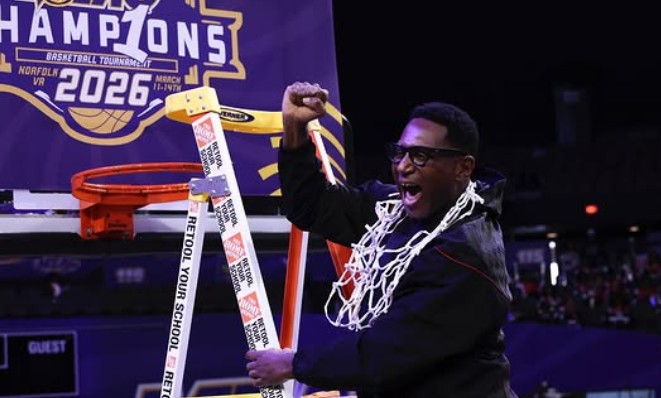
To combat the human bias and the analytics, HBCU leagues simply need to be better. SWAC Commissioner Charles McClellan, who was once vice chair of the men’s Division 1 Basketball Committee, suggested that teams schedule smarter. Not so many Power Four games. Bolster their academic and athletic support systems as well as funding capabilities.
But smart scheduling, he said, would be necessary as it relates to creating competitive balance.
Ultimately, the NCAA and the power conferences that run it don’t want socialism. They want absolute power for themselves.
In other words, the door may widen, but the schools most often stuck outside may still be the same ones.