

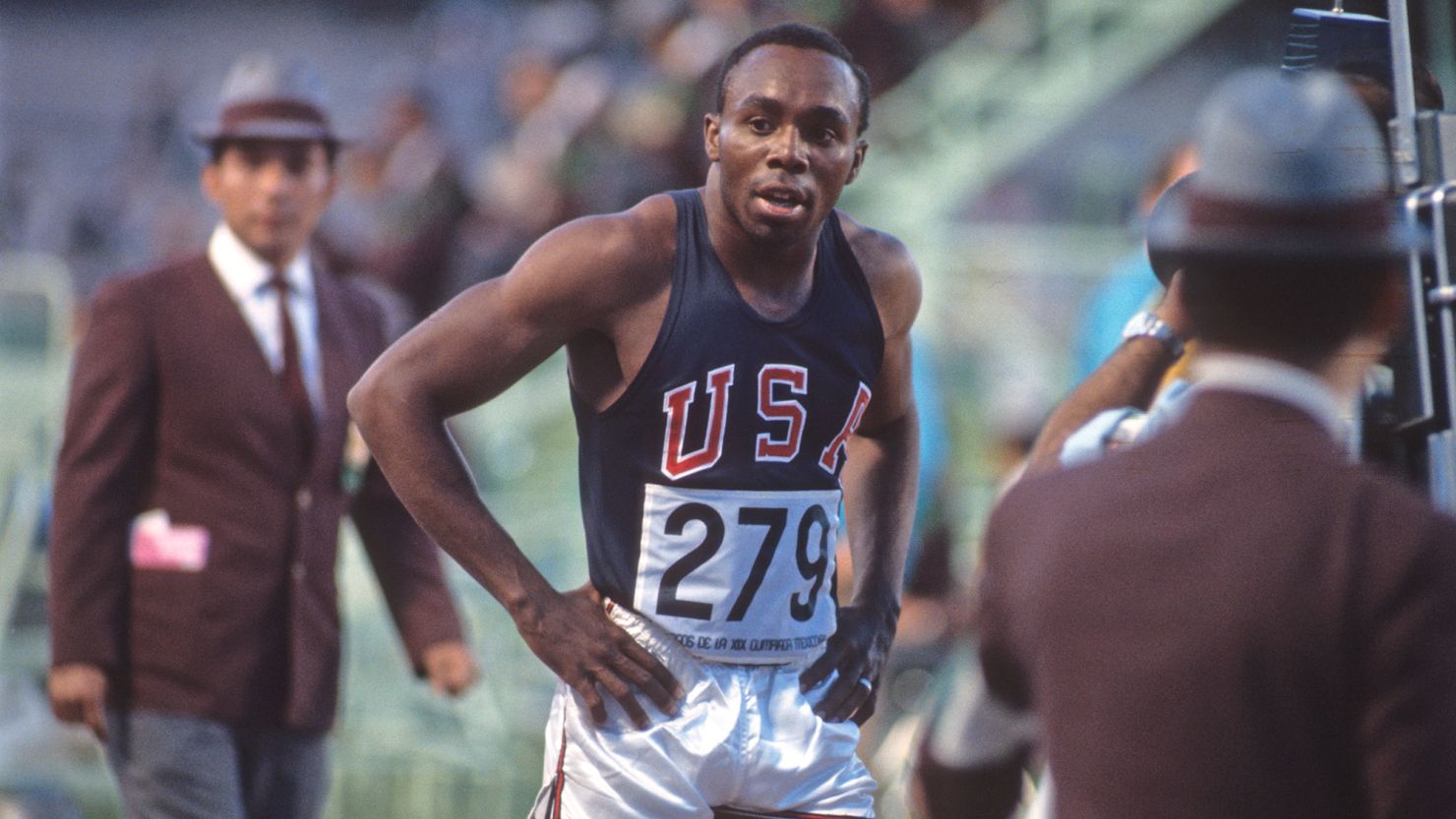
This article is one in a series of features produced in partnership with the Southwestern Athletic Conference, exploring the history of the SWAC from its founding in 1920 to the present day. The series will run during the months of April and May.
The Olympics are the pinnacle of sports, where the world’s best athletes come together to compete, cementing their legacy among the all-time greats that came before them. Track & field is one of the most popular sports the Olympics has to offer, with every athlete aiming to set a new standard of excellence every time they are lined up against their competitors.
While representing their country by winning a gold medal in the Olympics is always the ultimate goal, in track & field, breaking the world record is the pinnacle of success in the sport itself. Setting the world record time in an event means you are now the standard barrier every time an athlete steps on the track.
This is especially true in sprinting, with the most popular event, the 100-meter dash, producing the most dramatic races the sport has ever seen, as athletes aim to be crowned the “World’s Fastest Man.”
While Usain Bolt’s historic 9.58-second world record has held strong for 17 years, there was once an SWAC athlete whose historic achievement at the 1968 Summer Olympics would have a similarly long-lasting impact.
From Texas Southern to the world stage
Jim Hines, a Texas Southern athlete who competed for the university from 1965 to 1968, had a storied prep career at McClymonds High School in which he finished undefeated in the 100 and 220-yard dashes.
This includes setting the national prep record in the 100-yard dash of 9.4 seconds in his senior season.
Under the direction of Hall of Fame coach Stanley Wright, Hines first saw success in the 220-yard dash, finishing in the top two at the American Athletic Union (AAU) national championships in each of his first three seasons.
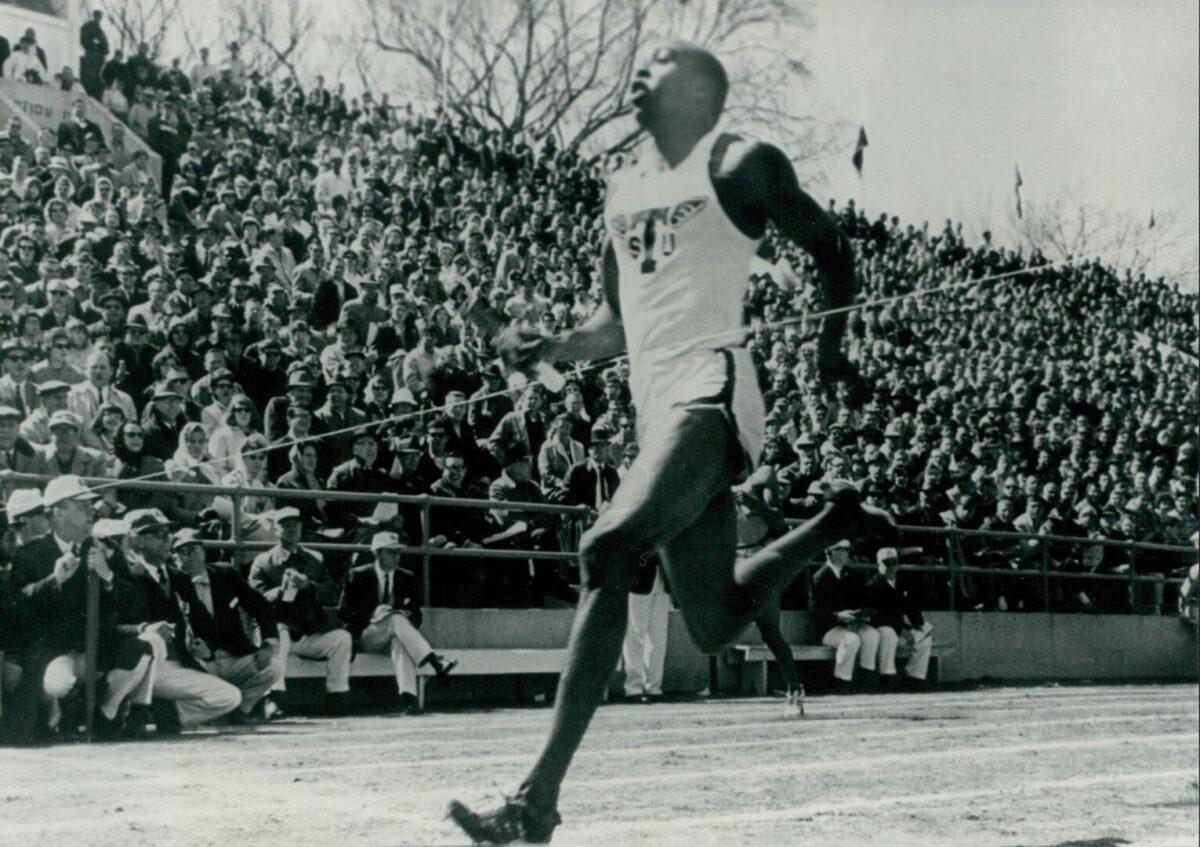
This includes a win in the 1966 championships and finishing second to eventual 200-meter Olympic champion and world record holder Tommie Smith in 1967.
He also won the NAIA national championship in the 220-yard dash in 1967, setting a championship record in 20.3 seconds.
Meanwhile, in the 100-yard dash, Hines claimed back-to-back NAIA Outdoor national championships in 1966 and 1967, while adding an AAU national championship in 1967. He was named the Most Outstanding Performer of the 1967 NAIA championships.
The night speed made history
At the 1968 AAU championships, in an event dubbed the “Night of Speed,” Hines ran the first legally recorded sub-10-second time in the 100m in the semifinal round.
After running a wind-aided 9.8-second time in the heats, Hines posted a 9.9-second time in the semifinals. This time was equaled in the same race by then junior world record holder Ronnie Ray Smith, then again by three-time NCAA champion Nebraska athlete Charles Greene.
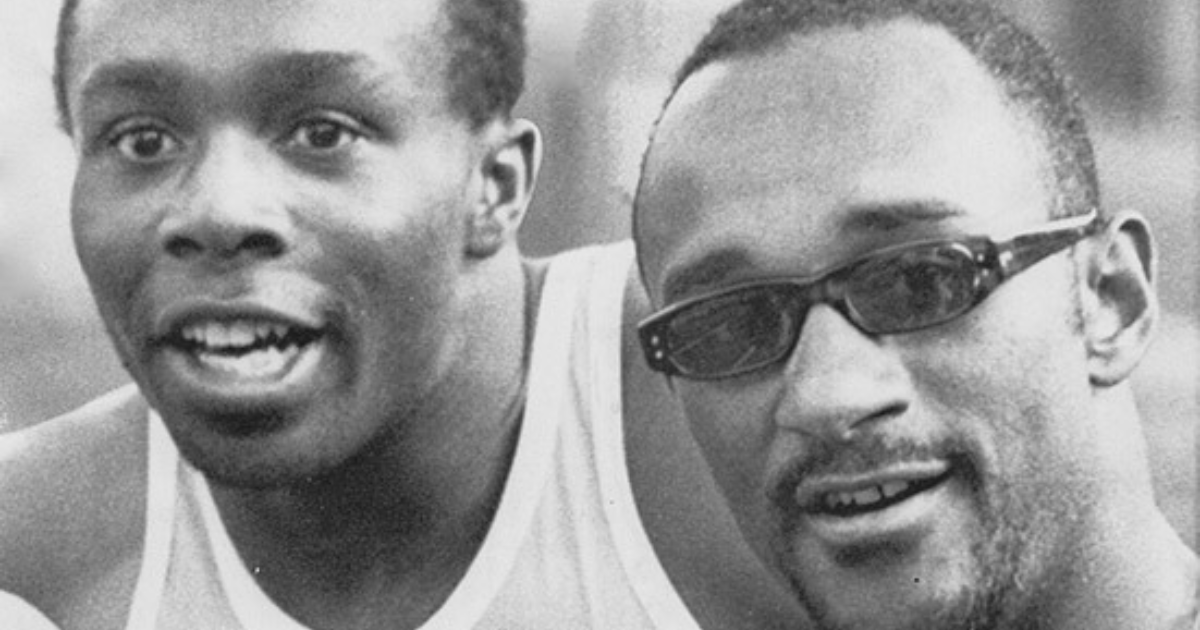
Amongst a loaded field in the finals, the Texas Southern athlete finished second behind Greene, each running 10.0 seconds.
Because this came during a period in which races were hand-timed, Hines shared the world record with Greene and Ronnie Ray Smith.
This set up a highly anticipated 1968 Olympics in Mexico City that would see Hines and Greene enter as the favorites.
A new Olympic 100m champion was guaranteed to be crowned as the winner from the 1964 Games, Florida A&M sprinter “Bullet” Bob Hayes, opting for a career in the National Football League.
In addition to claiming the gold medal, the Pro Football Hall of Famer also held the Olympic record, winning in a time of 10.0 seconds.
Both Hines and Greene would equal that Olympic record time in the quarterfinals and semifinals, respectively, leading into what would be a historic final.
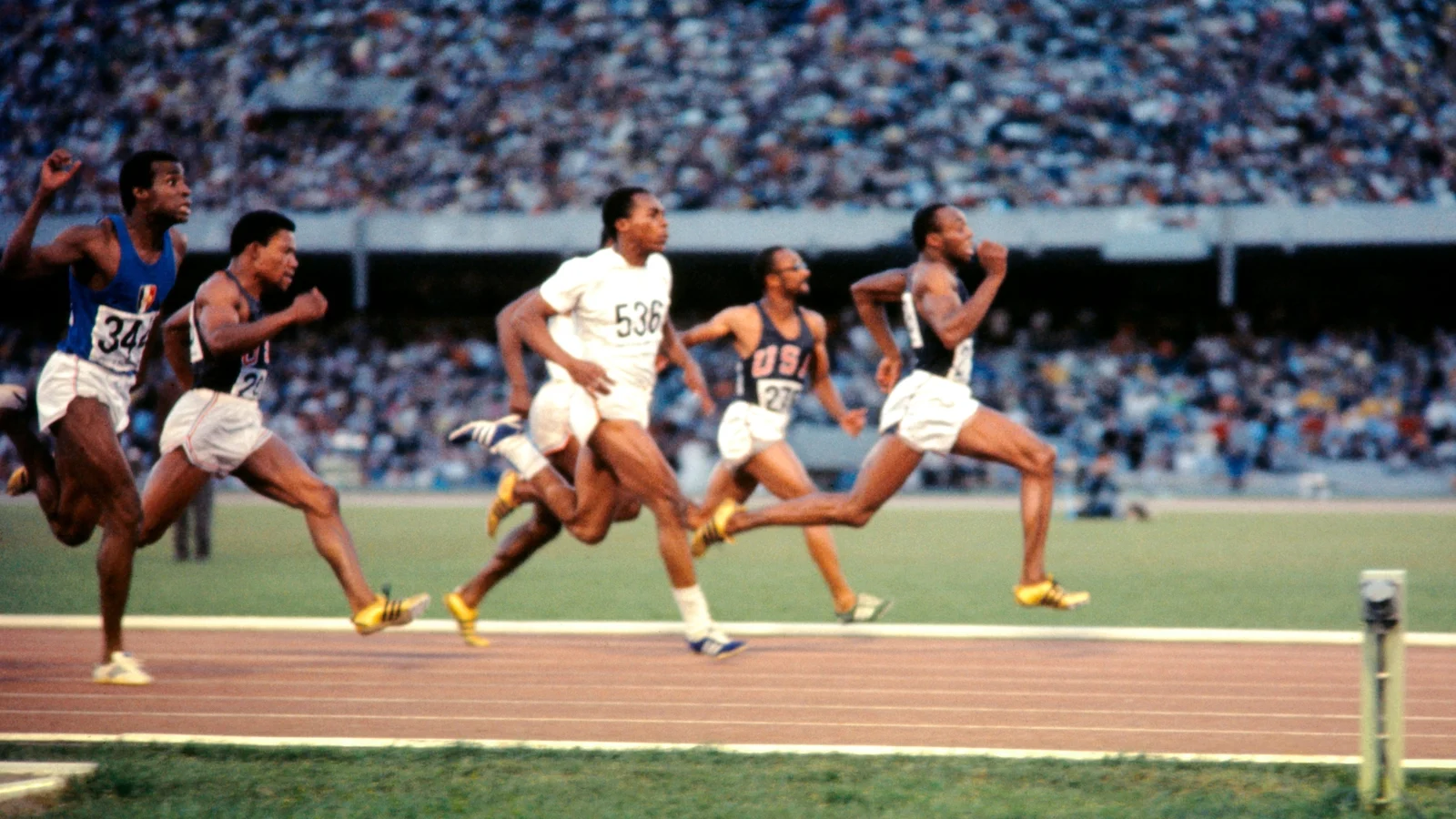
There, Hines would get the best of his fierce competitor, taking home the gold medal in what was displayed as a 9.89-second performance.
Before 1977, times were recorded manually, and world records were adjusted to the nearest tenth. That is, until the International Amateur Athletic Federation (IAAF) mandated that the 100m, 200m, and 400m all be recorded electronically, with world records coming to the hundredth of a second.
As a result, previous world record times were adjusted based on electronic timing, including Hines’ AAU national championship and Olympic championship times.
While his AAU championship semifinal record would be adjusted to 10.03 seconds, his Olympic final would be decreased to 9.95 seconds.
This meant that Hines had the first official sub-10-second time in men’s 100m history, making him the sole owner of the world record.
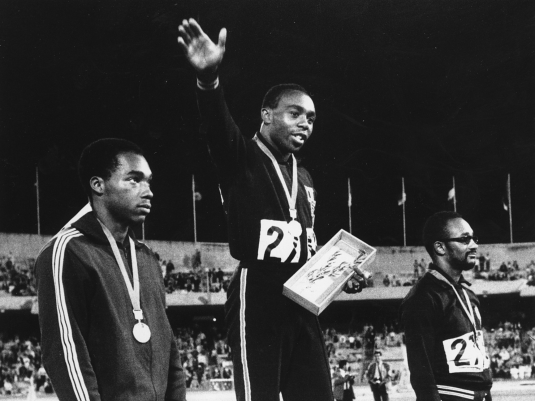
He would add another Olympic gold medal and world record to his resume in the 4×100 relay, taking home the biggest prize in 38.24 seconds.
A Record That Stood the Test of Time
In the 15 years until his world record was broken by Calvin Smith, there would only be one legal sub-10-second 100m run, coming in 1977.
Meanwhile, his time would remain the standard as the Olympic record until the 1988 Games, when Carl Lewis set the new mark to beat (initially set by Ben Johnson but was later rescinded).
The following year, Hines briefly pursued a professional football career, playing from 1968 to 1970 with the Miami Dolphins and the Kansas City Chiefs, respectively.
He returned to track & field in 1974, competing in the International Track Association, and would remain active into the mid-1980s.
Hines is a member of the USA Track & Field Hall of Fame (1979), the Texas Sports Hall of Fame (1994), and the SWAC Hall of Fame (1999).