
This article is one in a series of features produced in partnership with the Southwestern Athletic Conference, exploring the history of the SWAC from its founding in 1920 to the present day. The series will run during the months of April and May.
After Prairie View A&M won the 2025 SWAC football championship before falling to South Carolina State in the Celebration Bowl, most conversations about Panther football in recent decades began and ended in the same place, an NCAA-record 80-game losing streak that became the program’s most recognizable footnote in the national sports conversation.
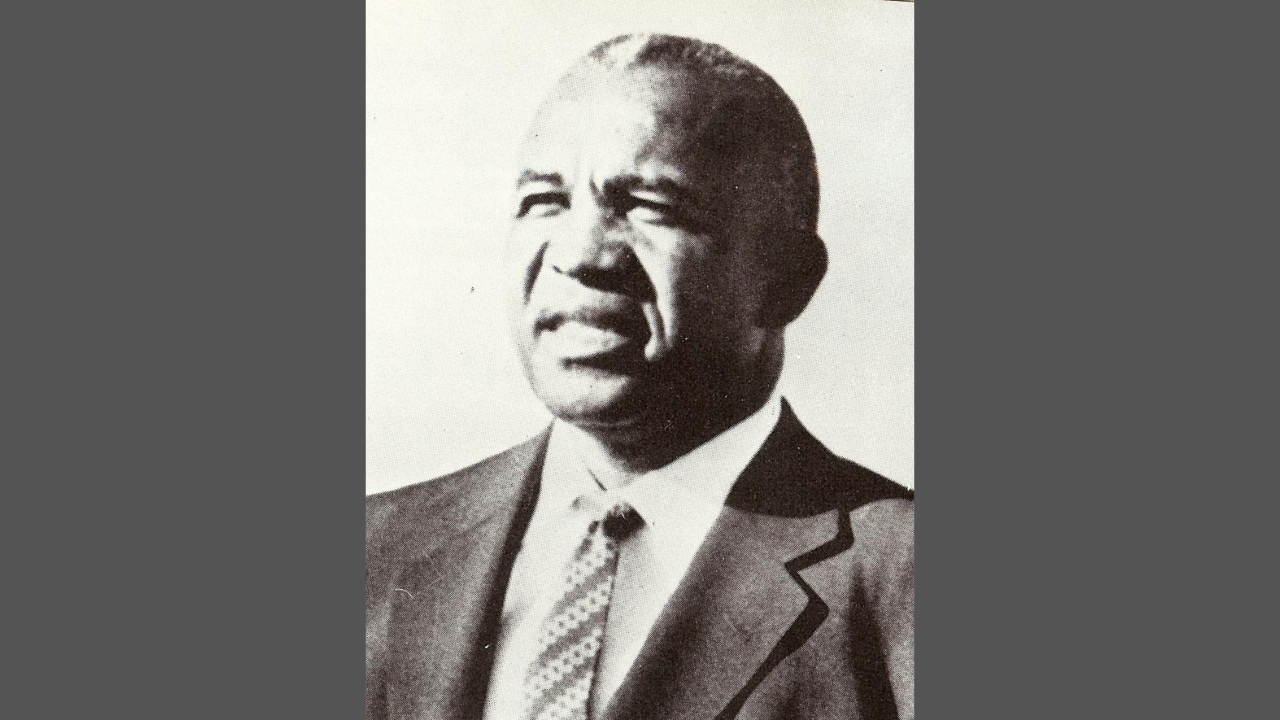
But long before that losing streak became the story, there was another story. One that most people outside of HBCU circles never knew, and one that even some Prairie View faithful had to be reminded of. It is the story of a man named William J. “Billy” Nicks, a coach who built one of the most dominant programs in Black college football history, back when Prairie View was not a punchline but a powerhouse.
His name is not mentioned in the same breath as Eddie Robinson or Grambling when casual fans talk about HBCU football legends. But by every measure that matters, wins, championships, winning percentage, and the players he developed, Billy Nicks belongs in that conversation.
From Griffin, Georgia, to the sidelines
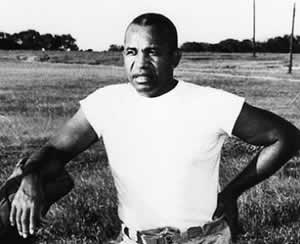
William James Nicks was born on August 2, 1905, in Griffin, Georgia. He attended Morris Brown High School and Morris Brown College in Atlanta, where he was not just a football player but a four-sport athlete, competing in football, basketball, baseball, and track. On the football field, he played defensive end and halfback and served as the team’s punter.
After graduating from Morris Brown, Nicks went back to where he came from and started building something. He took his first head coaching position at Morris Brown in 1930, beginning what would become one of the most decorated careers in the history of Black college football.
During his time at Morris Brown, Nicks compiled a record of 66-22-13. His 1941 Morris Brown team went 10-1, won the Southern Intercollegiate Athletic Conference (SIAC) championship, and was named Black College National Champion by the Pittsburgh Courier. He was already a national championship coach before he ever set foot on Prairie View’s campus.
A dynasty built at Prairie View
Nicks arrived at Prairie View in 1945 and immediately began building a program. His first stint, from 1945 to 1947, was a foundation-laying period. He then served as an assistant from 1948 to 1951 before returning as head coach in 1952, when the dynasty truly began.
Nicks led Prairie View to seven SWAC championships and six black college national titles. It includes a 1953 team that went a perfect 12-0, which defeated Florida A&M in the Orange Blossom Classic and defeated Texas Southern in the Prairie View Bowl to claim a national title. His 1964 team went a perfect 9-0, outscored opponents 303 to 110, and was named national champion by the Pittsburgh Courier. At the end of that season, Nicks was named the NAIA Coach of the Year.
By the time his career at Prairie View was done, his record there stood at 128-39-8. His overall career record across 28 years of coaching was 193-61-21. His career winning percentage of .787 was slightly higher than Bear Bryant’s .780. It has been widely reported that even Eddie Robinson, the legendary coach at Grambling who built his own dynasty across the SWAC, found game days against Nicks and Prairie View to be among the most challenging on his schedule.
The network that made it all possible
The results of what Nicks built spoke loudly in the professional ranks. Fifteen players he coached at Prairie View were eventually drafted by AFL or NFL clubs. Among them were two of the most recognizable names to come out of the SWAC in that era. They are Kenny Houston, who was inducted into the Pro Football Hall of Fame, and Otis Taylor, the wide receiver who won a Super Bowl with the Kansas City Chiefs in 1970.
A legacy that outlasted the game
Nicks retired from coaching at Prairie View in 1965. After stepping down as the head football coach, he continued to serve the university in administrative roles, including as the Director of Athletics and later as a special assistant to the university president until 1973.
Morris Brown College celebrated Billy Nicks Day in 1964, while he was still actively coaching at PV. The city of Atlanta recognized him in 1982. In 1988, Prairie View A&M named its athletic complex in his honor. In 1999, he was inducted into the College Football Hall of Fame. Nicks died that same year, on November 2 in Houston, at the age of 94.