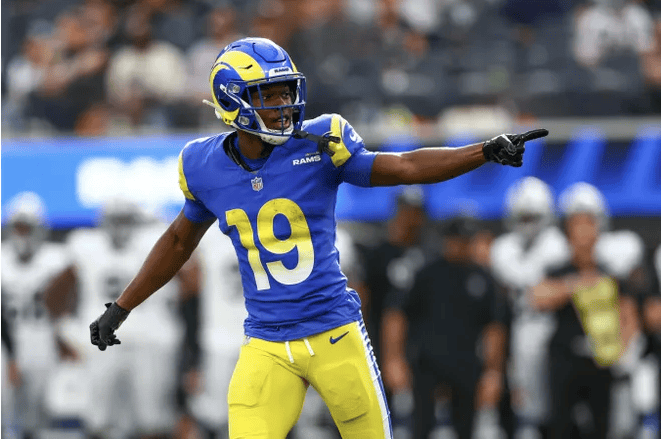

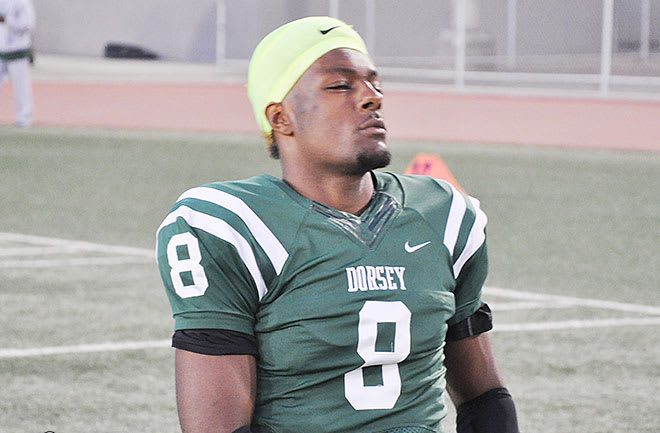
Kayvon Thibodeaux, the five-star defensive end from Thousand Oaks (California), revealed in June that Alabama, Florida State, Oregon, and USC were among schools he would be choosing between.
But Thibodeaux also added one other school to the list.
Florida A&M.
How crazy would it be if the top athletes started going to HBCU’s??
— kayvon thibodeaux (@kayvonT8) July 19, 2018
How would it look if an HBCU didn’t make my top 5 but I ended up at one ?
— kayvon thibodeaux (@kayvonT8) July 19, 2018
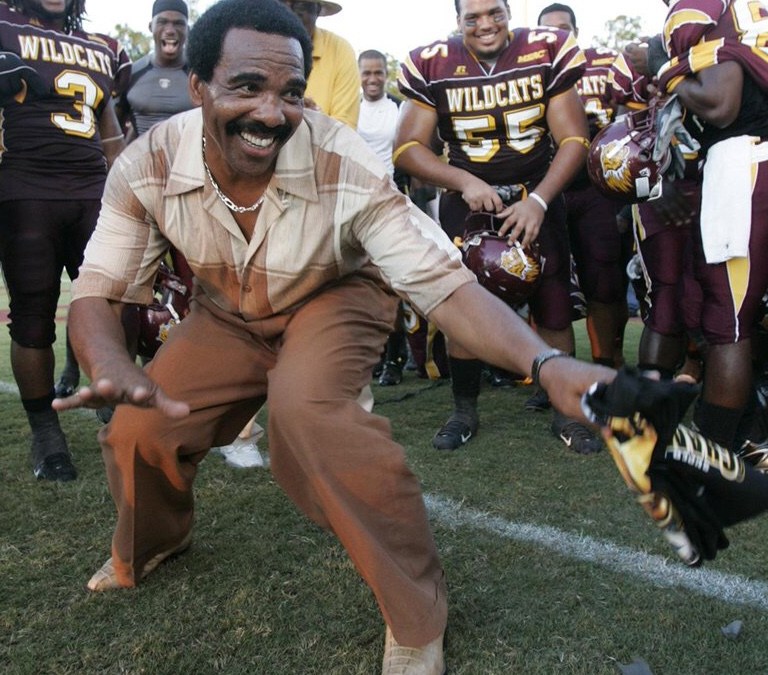
Thibodeaux says he plans to visit FAMU soon, which has created a stir on Twitter. FAMU fans went so far as to create the hashtag #Kayvon2FAMU in an effort to entice his services.
At only 17, Thibodeaux — just by making such a public tease — places himself in uncharted territory from a historical perspective.
Engaging in hope trafficking to a subset of college football fans — that have been starving for legitimacy from athletes like Thibodeaux since full-blown integration within intercollegiate athletics — came about a half-century ago.
Thibodeaux’s tweets arrive more than 25 years after Chris Webber, the consensus best high school basketball player in the country, was asked to consider playing at an HBCU before ultimately signing with Michigan in 1991 out of Country Day School in suburban Detroit.
“A lot of people put that pressure on me to go to an HBCU, like ‘Come on, Chris, you can change it around, you can change it around’” Webber said as chronicled in the book Forty Million Dollar Slaves.
“But I think that process has to start within the black college association,” he continued. “Playing on BET is not good enough for me. Just like me playing on MTV is not good enough. I want the world to see. In a way I feel guilty because we could have changed that rhyme. But we had to do what was best for us at that time. But we talked a lot about going to black colleges.”
And that prevailing perception, among other things, has prevented HBCUs over the years from effectively winning the expensive arms race in high-stakes recruiting.
There was a fear of being forgotten. There was a concern of losing out on television exposure and public acclaim.
NBA lottery pick Dennis Smith Jr. wore a sweater that read “HBCUs Matter” even though he chose to play college basketball at North Carolina State University over Duke, Kentucky, Louisville, North Carolina, and Wake Forest.
The symbolic act of solidarity caused a debate among the those who supported the gesture and other who criticized the fashion statement for its hypocrisy.
Will Thibodeaux do more than just give lip service about the importance of HBCU like Webber did nearly 30 years ago and Smith most recently?
Or will he be just like every other blue-chip athlete and marry themselves to bluebloods while stringing HBCU supporters along in the process for likes and retweets?