
For HBCU football programs, games against Power 4 opponents have long represented a complicated proposition.
They offer national exposure, a major financial payout, and a chance for players to measure themselves against some of the best talent in college football.
But in the modern era of college athletics, where NIL collectives, revenue-sharing and name, image and likeness opportunities increasingly influence roster construction, those games also expose a widening financial divide.
Three HBCU head coaches—Howard’s Ted White, Florida A&M’s Quinn Gray and Prairie View A&M’s Tremaine Jackson—have offered three different perspectives on what those matchups mean.
For White, the games remain valuable, particularly for players who hope to play professionally.
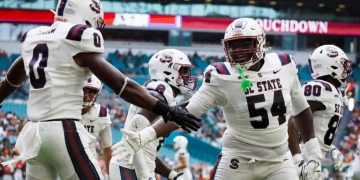
“I think it’s needed. I’m not against it at all,” White said, whose Bison lost 55-0 to defending FBS national champion Indiana.
White pointed to the importance of giving NFL hopefuls an opportunity to compete against Power 4 talent. Scouts want to know how players perform when the level of competition rises, and Power 4 opponents provide an opportunity that an HBCU schedule sometimes cannot.
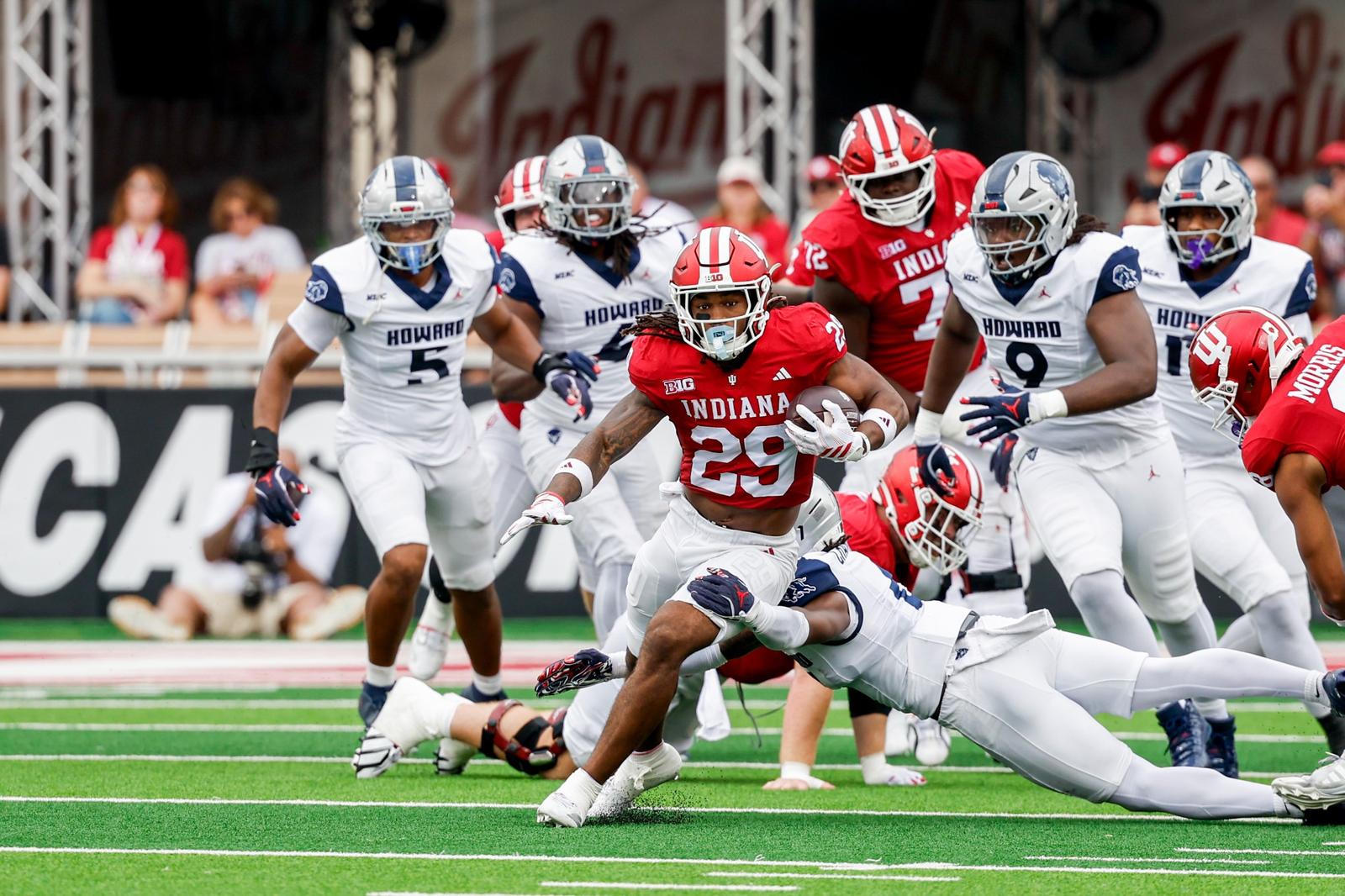
“I thought it was a great atmosphere to get an opportunity to go down there and play the national champions for guys who have aspirations on playing in the NFL,” White said.
But White also acknowledged the reality that eventually becomes difficult for HBCU programs to overcome.
His team was able to move the ball early, but as the game progressed, the depth created by the opponent’s scholarship resources and financial advantages began to show.
“They kind of overwhelmed us a little bit,” White said.
That presents another responsibility for an HBCU head coach: balancing the value of the experience against the potential physical toll of playing a significantly deeper opponent.
“You just got to make the decision to obviously save your players for the long haul,” White said, while hoping that no one gets injured in the process.
‘Find away to level the playing field’
Florida A&M’s Gray sees the same competitive imbalance, but he frames the issue even more directly in financial terms.
Gray said Florida A&M’s athletic budget is approximately $12 million, while Miami — which beat FAMU 77-7 last Thursday night — has a reported NIL collective worth roughly $44 million.
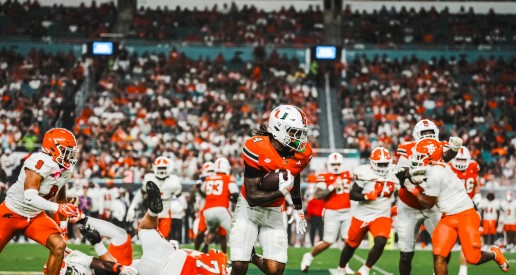
The disparity, he argued, isn’t simply about the resources available to improve facilities or hire staff. It directly affects the ability to build a roster.
“Until we’re able to actually get to a situation where we can bring in guys,” Gray said on Monday during the SWAC media coaches call, “we have to find a way to level the playing field.”
The consequences are already being felt on HBCU rosters.
Gray said Florida A&M lost approximately five offensive linemen during the summer because the program couldn’t offer them collective-related financial opportunities.
That reality has changed the nature of roster building.
“This game has become more transactional than relational,” Gray said.
The difference, Gray argues, is that HBCUs need the financial resources to make those opportunities truly competitive.
Prairie View playing the hand its dealt
Prairie View A&M’s Jackson takes an entirely different philosophical approach.
Jackson was blunt: He doesn’t believe HBCUs or similarly budgeted FCS programs should be playing Power 4 opponents.
But that doesn’t mean he intends to approach those games with fear or excuses.
Prairie View’s matchup with Baylor — a game the Panthers lost 44-3 — was scheduled before Jackson arrived.
Jackson said he refuses to complain about circumstances he cannot control.
“If that was done at a time where I was here, then I would be the guy that chose to play Baylor,” Jackson said.
Instead, he sees the situation as a lesson for his players. “You can complain about the situation you’re in and woe is me into it, or you can attack it,” Jackson said.
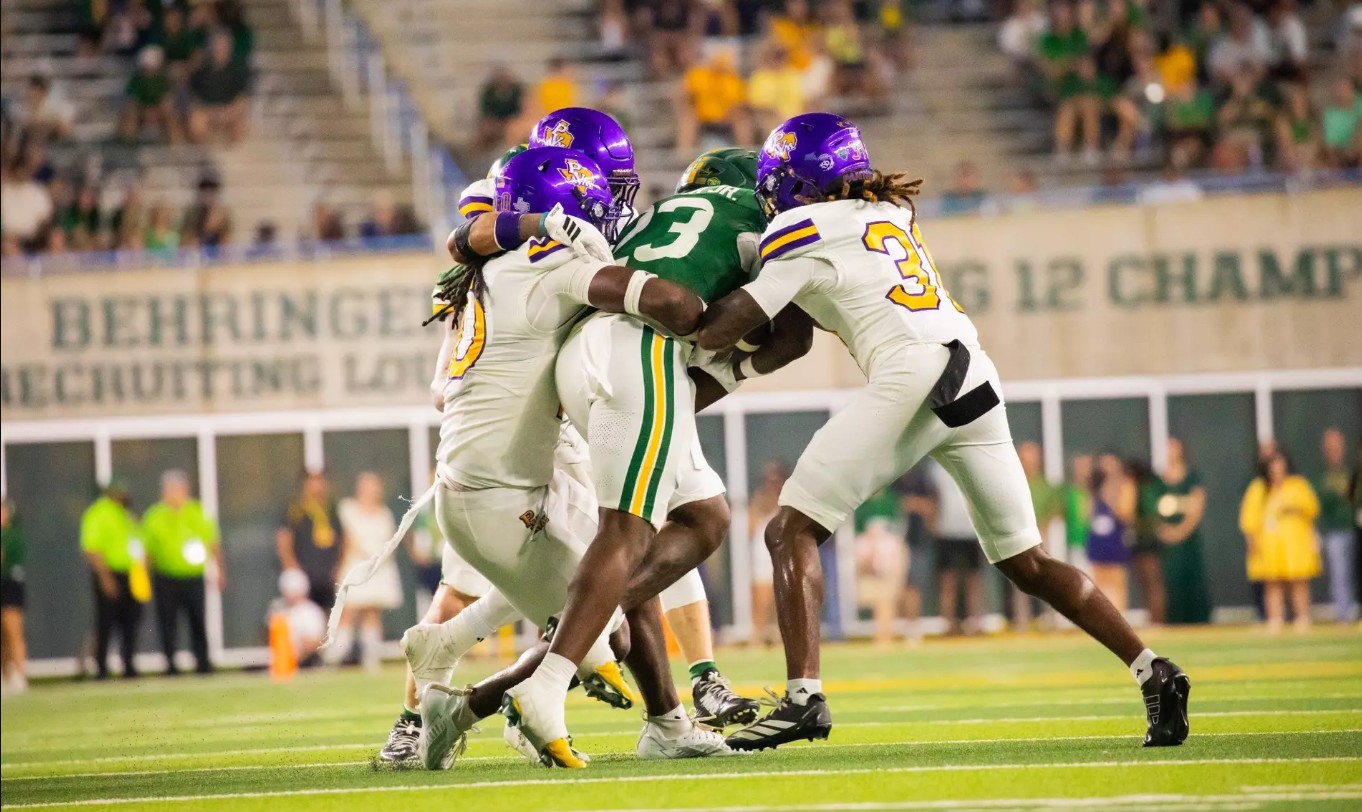
That is why Jackson plans to attack Power 4 games even though he doesn’t believe his program should necessarily be scheduling them in the first place.
The distinction is important.
Jackson isn’t arguing that Prairie View should accept its financial disadvantage. He’s arguing the opposite.
He wants HBCU programs to eventually invest enough in their rosters to change the equation.
“One school is going to make a decision to do the same things that others do, and we’re going to beat those people,” Jackson said.
He hopes Prairie View can eventually be that school.
“We’re sitting in a situation where we can get a $20 million roster,” Jackson said. “That’s going to happen. I just don’t know when.”
That may ultimately be the central question surrounding HBCU-Power 4 matchups.
But all three recognize the same underlying reality: money has fundamentally changed the competitive landscape of college football.