

Florida A&M football is entering a new media era. But in its move toward television and streaming, the university is leaving behind something that has been part of Rattler football for generations: radio.
Florida A&M will not broadcast its football games on radio during the 2026 season after its agreement with Cumulus Media, which operates WHBX 96.1 JAMZ, ended, according to reporting by The Tallahassee Democrat.
At first glance, it may seem like a simple business decision in an increasingly digital sports world.
But perhaps the bigger question is this: Does progress really mean less access?
Radio still matters in the streaming era
There is no question that television and streaming have transformed sports consumption. Florida A&M will still have games available through SWAC TV, HBCU GO and ESPN platforms.
That is progress.
But it isn’t necessarily accessibility.
Streaming often requires a reliable internet connection, a compatible device, subscriptions or access to multiple platforms. Radio requires none of those things.
You turn it on and listen.
That matters.
Radio can reach the fan driving home from work, the person who cannot afford another streaming subscription, the alumnus living hundreds of miles away or the supporter whose internet connection isn’t reliable enough to stream an entire football game.
For those fans, radio isn’t an outdated technology. It is the most accessible technology.
Eliminating it creates a divide between the fans who can easily transition to digital platforms and those who cannot.
The local voice matters
There is also something uniquely valuable about a team radio broadcast that a national television production cannot replicate.
A local broadcast crew often knows the players, coaches and program far more intimately. They understand the personalities behind the helmets. They know the history. They understand the rivalries and traditions. Most importantly, they understand the culture surrounding the program.
A national broadcaster might know the statistics.
The local broadcaster knows the story.
That distinction matters at Florida A&M.
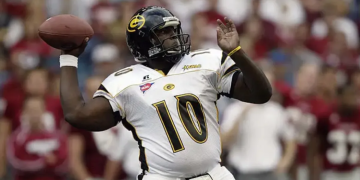
Rattler football isn’t simply another FCS or HBCU football program appearing on a television schedule. It is an institution with generations of history attached to it.
The voices describing those games become part of that history.
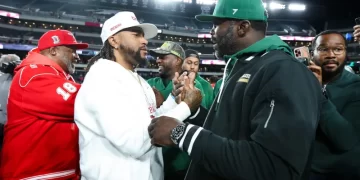
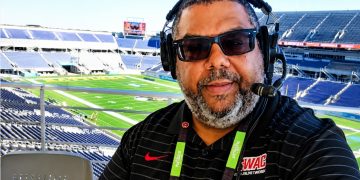
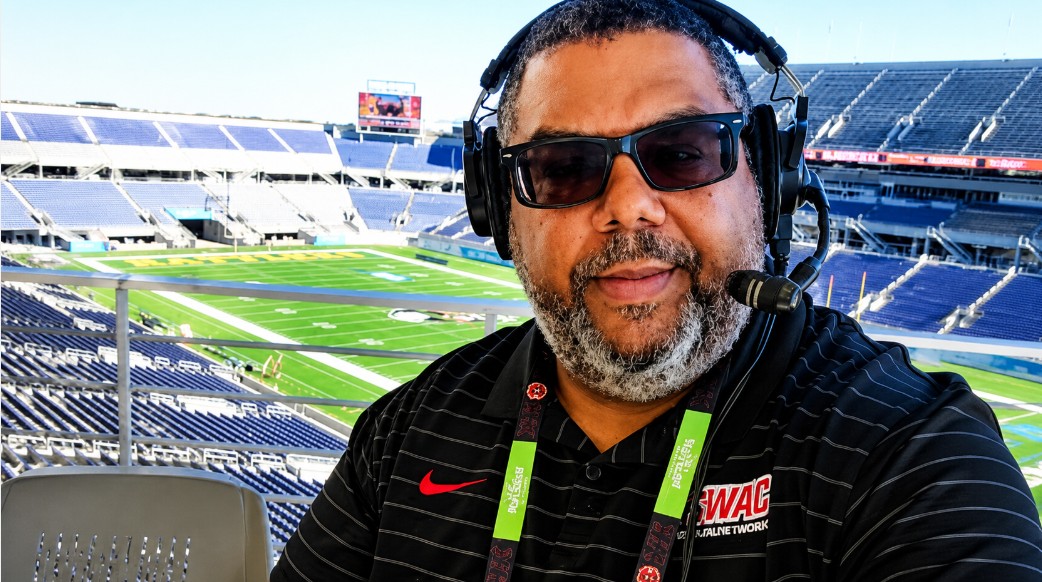
Bryan Fulford understood that. So did former Rattler player and broadcaster Albert Chester Sr., whose reaction to the decision reflected the emotional weight of losing a tradition that has connected Rattler Nation for decades.
Their concern isn’t simply about broadcasting games.
It is about preserving a connection.
Progress shouldn’t require leaving people behind
Florida A&M absolutely should pursue television and streaming opportunities. The university should want its football program on ESPN, SWAC TV and every legitimate platform that can expand its audience.
But there is no reason radio has to disappear for that to happen.
The smartest media strategy would be additive, not subtractive.
Give fans television.
Give them streaming.
Give them radio.
Because the goal of a media strategy should be to reach more people, not force people into fewer avenues of access.
Florida A&M is losing more than a radio broadcast in 2026. It is losing a piece of its local storytelling infrastructure and one of its most accessible connections to its fan base.
The Rattlers are moving forward.
The question is whether everyone will be able to move forward with them.
If progress creates new opportunities while closing old doors, perhaps we should ask whether that is progress — or simply a different form of exclusion.