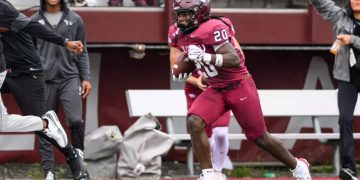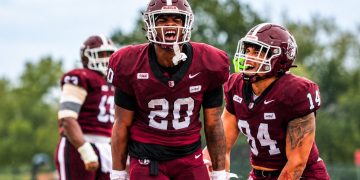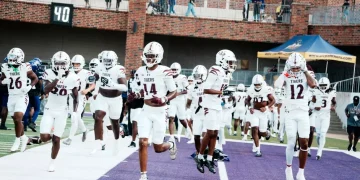

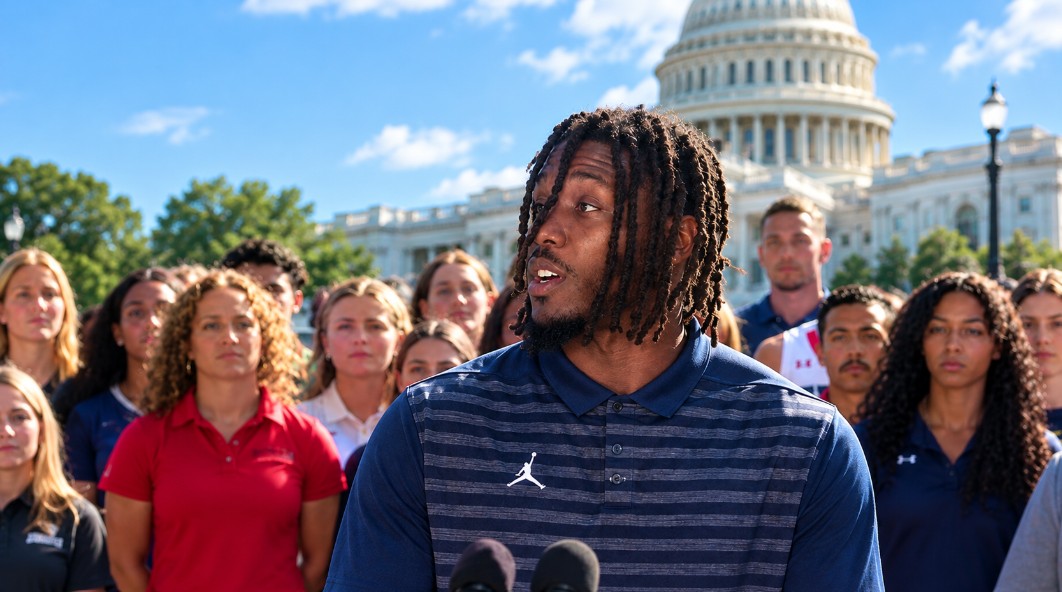
Howard University football player Kedrick Green took to Capitol Hill this week to urge Congress to pass the Protect College Sports Act, joining others advocating for a national framework governing college athletics.
But while supporters say the legislation could bring stability to an increasingly complicated sports landscape, the Congressional Black Caucus, NAACP and Athletes.org have raised significant objections, arguing that the bill could strengthen institutional power at the expense of athletes’ rights.
Green said the proposed law addresses several concerns facing student-athletes, including name, image and likeness (NIL) compensation, scholarships, health care and eligibility.
“As a college student, I believe that the Protect College Sports Act is about giving student athletes like me something we all deserve: security and a fair opportunity,” Green said on Capitol Hill.
He added that the legislation would give athletes clearer protections while establishing consistent rules for NIL, transfers and eligibility.
“It protects our right to earn from our Name, Image and Likeness while putting safeguards in place so athletes aren’t taken advantage of,” Green said. “It protects scholarships, strengthens health and safety standards and creates a more consistent rule around NIL, transfers and eligibility.”
Student athletes should be able to trust that the system they compete in will protect their future.
“The Protect College Sports Act is about giving student athletes like me something we all deserve — security and a fair opportunity.” Kedrick Green, @HowardU @HUBISONFOOTBALL pic.twitter.com/f77vmjCVb7
— Senate Commerce Republicans (@SenateCommerce) September 15, 2026
What is the Protect College Sports Act?
The Protect College Sports Act, introduced by Sens. Ted Cruz, R-Texas, and Maria Cantwell, D-Wash., seeks to establish federal standards for college athletics. The legislation includes provisions covering NIL, athlete health and safety, scholarships, recruiting, transfers, eligibility and enforcement.
Supporters, including major athletic conferences and prominent college sports figures, argue that the current system is fragmented and unstable. They say a national framework could help schools manage escalating financial pressures while preserving opportunities for athletes and non-revenue sports.
However, the bill has encountered opposition from organizations that contend it would give the NCAA and athletic conferences too much control over athletes’ economic opportunities and legal rights.
The legislation has opposition
The Congressional Black Caucus said in an August statement that it could not support advancing the legislation in its current form. The caucus argued that the bill grants sweeping legal protections to powerful institutions without adequately addressing the rights, representation and economic interests of Black athletes, coaches, agents and HBCUs.
“Nothing about us without us,” the CBC stated, emphasizing the need for meaningful participation by Black athletes and communities in shaping college athletics policy.
The NAACP has also opposed the bill. In an August 4 statement, NAACP President Derrick Johnson said Congress should not provide additional federal protections to athletic institutions that benefit from Black athletes while remaining silent on attacks against Black political representation.
The organization argued that athlete protections should be considered separately from provisions granting institutions additional legal and economic advantages.
Athletes.org, an organization advocating for college athletes, has likewise expressed opposition. In a June statement, the group described the legislation as a “power grab,” arguing that it would limit athlete rights and hinder collective bargaining.
The organization maintains that college athletes should have a meaningful role in negotiating the rules governing their compensation and working conditions rather than leaving those decisions primarily to athletic institutions.
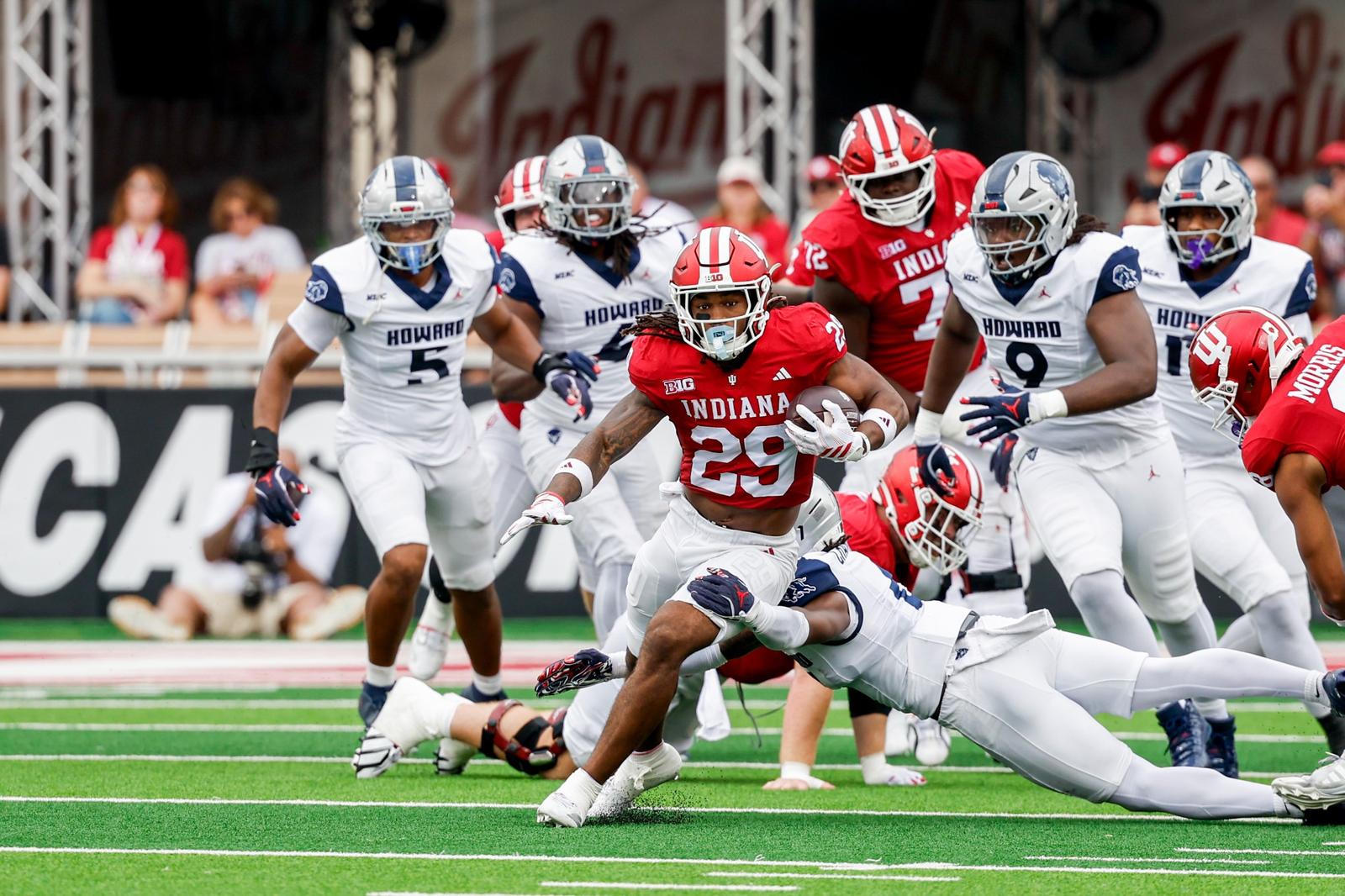
For Green, the debate has a particular significance because of the resources available to Howard University and other historically Black colleges and universities.
“For HBCU students like myself at Howard University and conferences like the MEAC — stability matters,” Green said. “We need a system that gives us an opportunity to compete and grow — not where the rules constantly change depending on where you play.”
That perspective highlights a central question in the debate: whether national regulations will provide HBCUs with greater stability and opportunity or create additional challenges for institutions with fewer financial resources than the wealthiest college athletic programs.
As Congress considers the legislation, Green’s support and the objections raised by civil rights and athlete advocacy organizations underscore the competing priorities at the heart of the college sports debate: athlete compensation, institutional authority, competitive equity and the role of athletes in determining the future of the industry.