
The NCAA Division I Council Cabinet unanimously approved an age-based, five-year eligibility model.
Incoming members of the 2026 class and current student-athletes will operate under whichever eligibility model benefits them most. However, athletes who exhausted their eligibility during the 2025–26 academic year will not receive additional seasons, though legal challenges seeking extra eligibility are expected.
Are there exceptions to the rule?
The rule change also eliminates redshirts and most waiver pathways, including hardship exceptions that have been a lifeline for programs navigating injuries and roster gaps.
In recent years, critics have pointed to the waiver system as overly complex and prone to manipulation, contributing to an influx of older, mid-20s players and roster congestion across Division I.
Those limited exceptions—pregnancy, military service, and official religious missions—will allow athletes to pause their eligibility, provided they do not participate in organized competition during that time.
For HBCU programs, the impact could be immediate and layered. The new rule starts a student-athlete’s eligibility clock either upon full-time college enrollment or at the beginning of the academic year following their 19th birthday—whichever comes first.
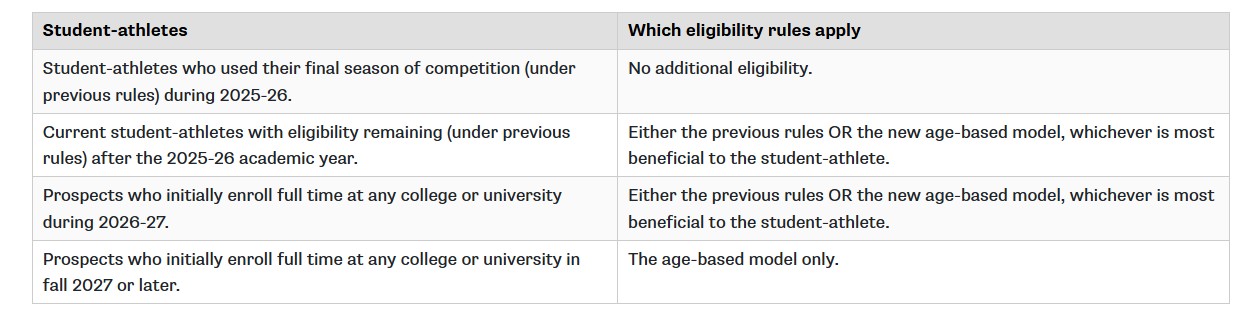
Current student-athletes who still have eligibility and are considering submitting season-of-competition or eligibility clock extension waiver requests based on circumstances during or before this past academic year must do so no later than July 31, according to the NCAA.
That adjustment effectively limits the pathway for older prospects, including junior college transfers, prep school standouts, and international players who have often bolstered HBCU rosters.
Under the current system, flexibility in age and eligibility has allowed HBCUs to develop late bloomers and add experienced talent who can contribute right away. The proposed model tightens that window, potentially forcing programs to recalibrate recruiting strategies that have leaned on maturity and development upside.
NCAA president Charlie Baker framed the move as a simplification effort in a shifting college sports landscape.
“While previous NCAA rules have served college sports well for a long time, we heard also loud and clear from NCAA members and student-athletes that eligibility rules should be easier to understand,” Baker said in a statement. “This change…clearly defines the exceptions available in limited circumstances, while preserving the long-intended alignment of eligibility with typical college enrollment and graduation patterns.”
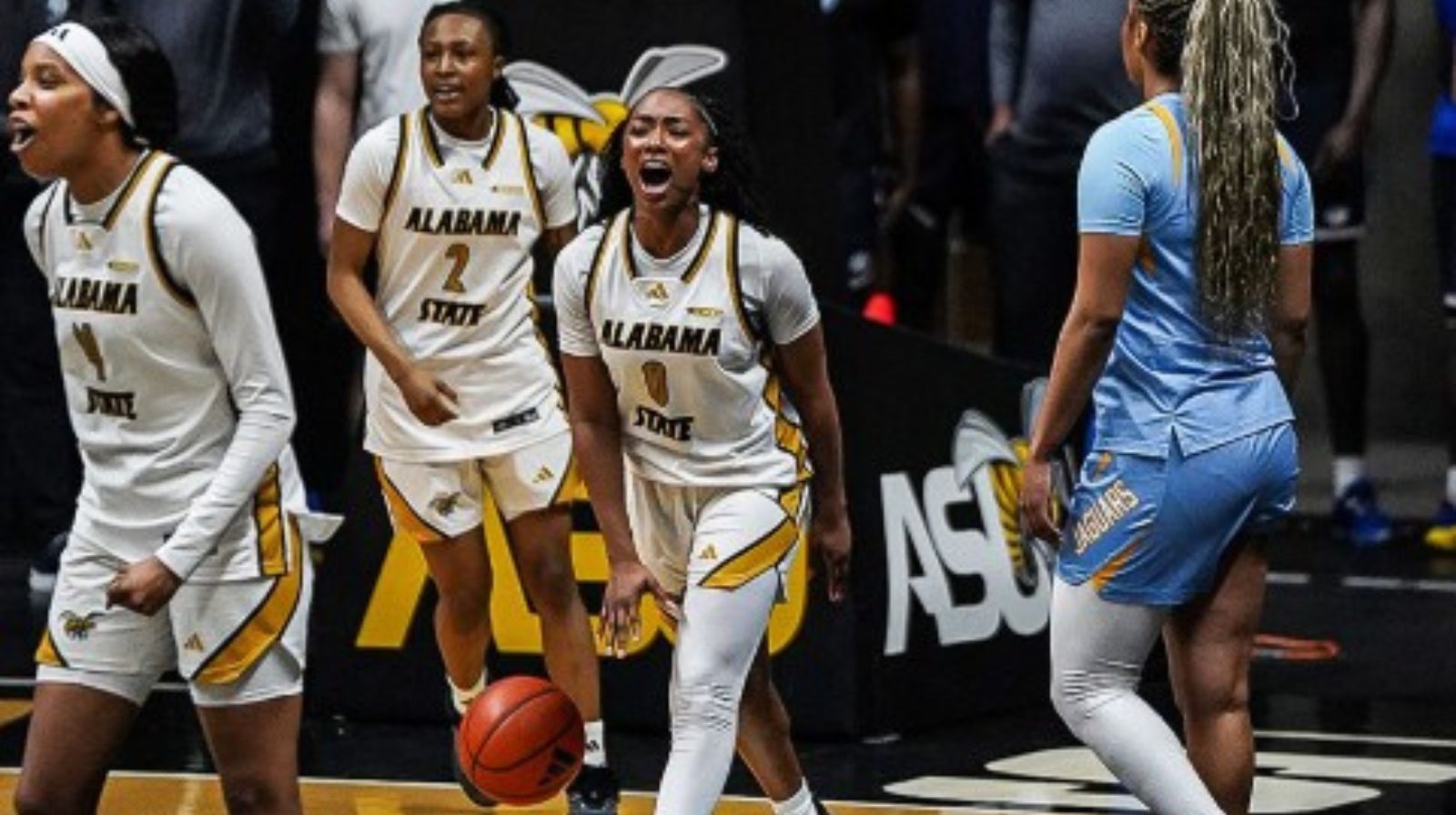
What does this mean for HBCUs?
For HBCUs, the broader question is how to adapt.
Programs that have thrived by identifying overlooked or nontraditional talent may now have to double down on high school recruiting pipelines and earlier player development. At the same time, eliminating older-player logjams could create more immediate opportunities for younger athletes to see the field.
In a landscape where resource gaps already shape competition, this rule change doesn’t just tweak eligibility—it could redefine how HBCU programs build, sustain, and compete.