

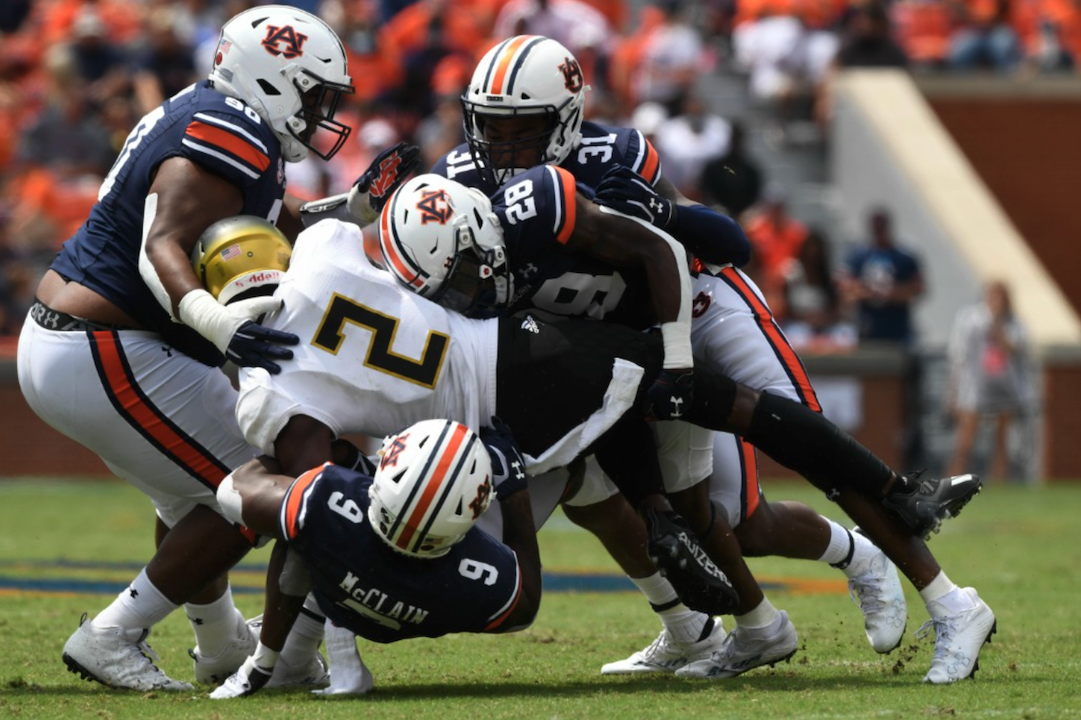
The SEC’s move to a nine-game conference schedule in 2026 could reshape college football.
And Division I HBCUs must prepare for the consequences.
The most immediate impact is that SEC schools will now play at least 10 games against power league opponents each season.
That’s nine conference games and one mandatory non-conference matchup against another Power Four team or Notre Dame, effectively squeezing out many non-power programs from the schedule.
The College Football Playoff — especially with the SEC and Big Ten trying to create an expanded format — is motivation for the change.
But what does this have to do with HBCUs?
For one, it means fewer SEC games against non-power conference opponents in FBS and FCS. This severely limits opportunities for an HBCU team to land lucrative “money games” with the SEC.
Traditional guarantee games offered high six-figure payouts for HBCUs. While already scheduled dates against SEC opponents aren’t in danger, fewer available opportunties years from now mean less direct revenue from those contests.

How HBCUs could adjust to fewer SEC money games
HBCUs may have to focus their scheduling efforts on Group of Five schools or concentrate on more classics. Fortunately, FCS programs now have the flexibility to play up to 12 games per season, but the biggest paydays may be elusive, forcing schools to lean into regional rivalries and media-driven showcase events.
With fewer annual SEC games, HBCU teams may avoid particularly lopsided defeats and injuries, helping keep SWAC and MEAC races more competitive and boosting postseason hopes within the FCS.
As conferences race to maximize their College Football Playoff chances, the domino effect impacts all of Division I football—even HBCUs. This means more money for the SEC could be less for everyone else.